The relentless pace of technological disruption and the widespread adoption of remote work models are fundamentally reshaping the global workforce, demanding unprecedented agility in skill acquisition. Traditional higher education often struggles to meet this demand, making the ‘open university’ model an increasingly vital paradigm. Pioneering institutions, such as the original Open University in the UK, have long championed asynchronous, modular learning, directly addressing the urgent need for flexible upskilling and reskilling. This approach empowers professionals to seamlessly integrate advanced learning, from AI ethics to cybersecurity, into their busy lives, directly preparing them for evolving roles and fostering a globally competitive talent pool. By decoupling education from rigid schedules and geographical constraints, the ‘open university’ makes critical, future-proof knowledge truly accessible, driving continuous professional development essential for navigating tomorrow’s complex economic landscape.
Understanding Flexible Learning: Why It Matters for Your Future
Hey future leaders and innovators! When you think about higher education, what comes to mind? Maybe grand lecture halls, bustling campuses, or strict schedules? For many, that traditional image is shifting, paving the way for more adaptable and accessible paths to learning. In today’s fast-paced world, where careers can pivot and skills evolve rapidly, having an education that fits your life – not the other way around – is becoming increasingly vital. This is where the concept of flexible higher education steps in, offering a game-changing approach to earning a degree or boosting your career prospects.
Flexible learning essentially means you have more control over when, where. how you study. It’s designed to accommodate diverse lifestyles, whether you’re working part-time, caring for family, or simply prefer to learn at your own pace. This model empowers you to tailor your educational journey, making it possible to achieve your academic and professional goals without putting your life on hold. It’s about making education work for you, not against you.
The Open University: Pioneering Accessible Education for Decades
When we talk about pioneers in flexible higher education, one name stands out globally: the Open University. Founded in the UK in 1969, the Open University was established with a revolutionary vision: to open up higher education to all, regardless of prior qualifications or location. It’s built on the principle that anyone, anywhere, should have the opportunity to study for a degree or professional qualification.
The Open University operates predominantly through distance learning, meaning students study remotely, often from their homes, at times that suit them. This model was truly groundbreaking in its time and continues to evolve with technological advancements. Unlike traditional brick-and-mortar institutions, the Open University has always focused on bringing the classroom to the student, rather than the student to the classroom. This commitment to accessibility is what has made it a beacon for millions seeking to transform their lives through education.
How the Open University Delivers World-Class Learning Remotely
So, how does an institution like the Open University manage to educate hundreds of thousands of students across the globe without a traditional campus experience? It’s all about a meticulously designed and robust system built for remote learning.
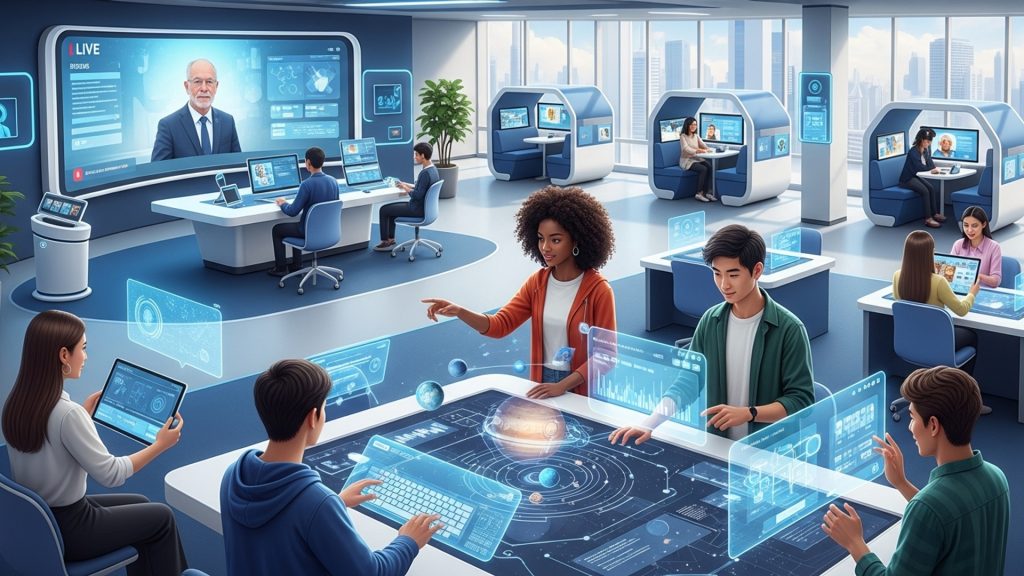
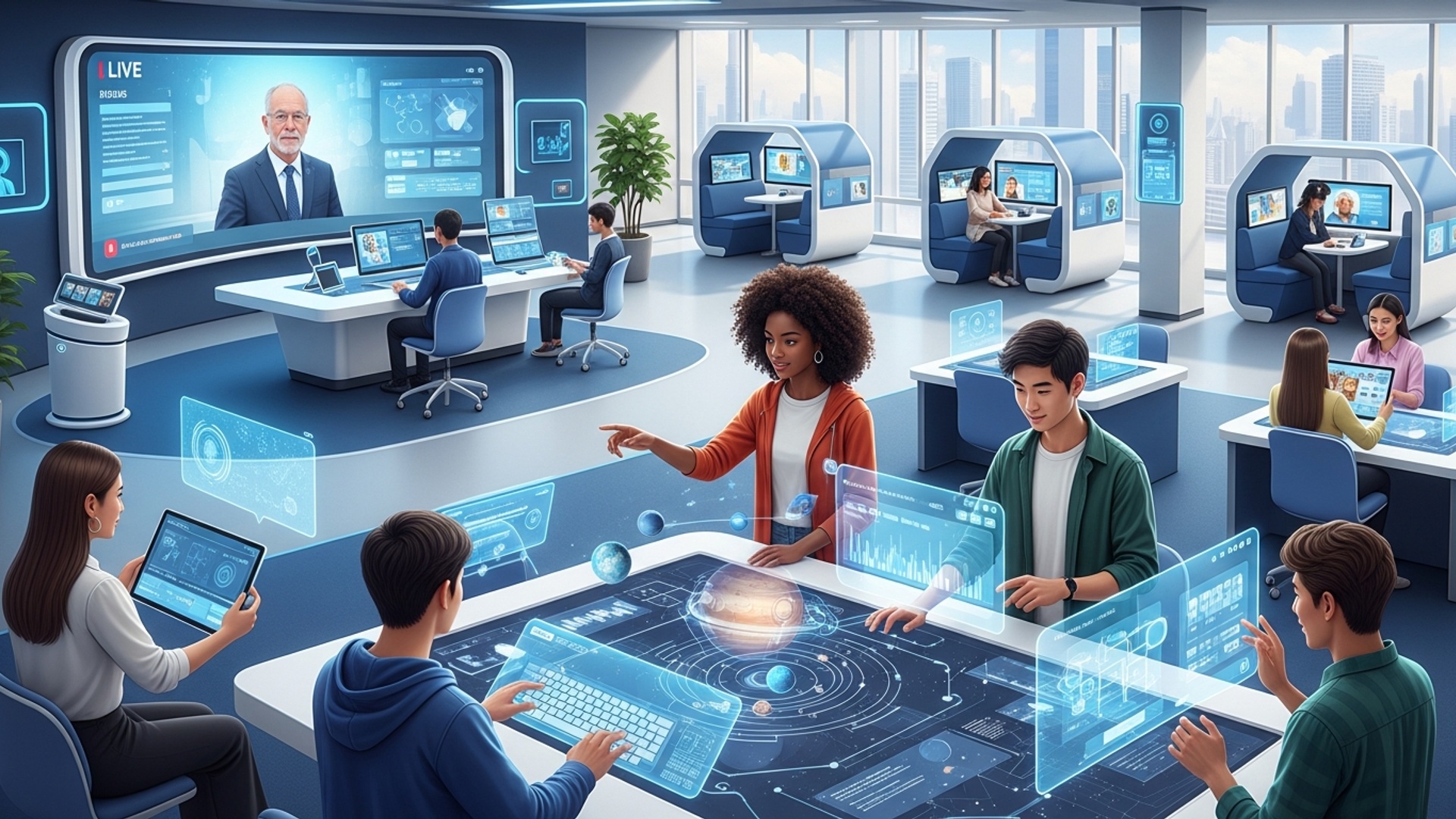
- Online Learning Platforms: At the heart of the Open University experience is its state-of-the-art virtual learning environment. This is where you access all your course materials, including interactive online modules, digital textbooks, videos. podcasts. It’s designed to be intuitive and engaging, ensuring you have everything you need at your fingertips.
- Dedicated Tutor Support: You’re never alone on your learning journey. Every student is assigned a dedicated tutor who provides academic guidance, marks assignments. offers personalized feedback. These tutors are experts in their fields and are available to answer questions and provide support via email, phone, or online forums.
- Collaborative Online Communities: The Open University fosters vibrant online communities where students can connect with peers, discuss course content, share insights. form study groups. These forums are invaluable for building a sense of camaraderie and getting different perspectives on challenging topics.
- Flexible Study Pacing: One of the biggest advantages is the ability to set your own study pace within defined module timelines. While there are assignment deadlines, you largely control when you engage with materials and complete your work, fitting it around your other commitments.
- Comprehensive Resources: Beyond course materials, students have access to extensive online libraries, career services, disability support. well-being resources, all designed to ensure a holistic and supportive learning experience.
This comprehensive support system ensures that even though you’re studying remotely, you’re fully supported and connected throughout your academic journey with the open universaty.
Key Benefits for Tomorrow’s Global Workforce
For young adults and teens looking ahead to their careers, the Open University offers a unique set of advantages that align perfectly with the demands of the modern global workforce.
- Unmatched Flexibility: Whether you’re working a job, managing family responsibilities, or traveling, the Open University allows you to integrate higher education into your life without sacrificing other vital commitments. This flexibility is crucial in a world that increasingly values adaptability.
- Developing In-Demand Skills: Many of the Open University’s courses are designed with an eye on current industry needs, equipping students with practical, transferable skills highly valued by employers. From digital literacy to critical thinking and independent problem-solving, you’ll gain skills that are essential in any field.
- Affordable Pathways: Compared to the often-hefty tuition fees and living costs associated with traditional universities, the Open University can offer a more financially accessible route to a degree. This removes a significant barrier for many aspiring students.
- Global Recognition and Reach: A qualification from the Open University is respected worldwide. Its robust academic standards and innovative learning model mean that employers and institutions globally recognize the quality and rigor of its degrees.
- Fostering Self-Discipline and Time Management: Studying independently at the Open University builds strong self-discipline, motivation. excellent time management skills – qualities that are highly sought after by employers and crucial for success in any career path.
- Lifelong Learning Mindset: The Open University champions the idea of lifelong learning, encouraging individuals to continuously update their skills and knowledge. This mindset is vital in a rapidly changing global economy where continuous professional development is key to staying relevant.
Who Can Benefit from the Open University?
The beauty of the Open University lies in its broad appeal. It truly is designed for everyone. certain groups find its model particularly transformative:
- Working Professionals: Those looking to upskill, reskill, or change careers without leaving their current employment.
- Parents and Carers: Individuals with family responsibilities who need to study around their commitments.
- Students Seeking Second Chances: Anyone who didn’t pursue higher education straight out of school or who wants to improve their qualifications.
- Geographically Remote Learners: People living in areas without easy access to traditional university campuses.
- Individuals with Disabilities: The flexible nature and robust online support often make it a more accessible option.
- Motivated Young Adults: Teens and young adults who want to get a head start, combine study with work, or prefer a self-directed learning approach.
The open universaty offers a pathway for anyone with the drive to learn, irrespective of their background or current circumstances.
Real-World Impact: Stories of Transformation
Thousands of students each year achieve their dreams through the Open University. Consider Sarah, a 19-year-old who started working full-time after high school to save for her future. She realized she needed a degree to advance in her chosen field of digital marketing but couldn’t afford to quit her job. The Open University allowed her to study for a Bachelor’s degree in Business and Marketing Communications in the evenings and weekends, applying what she learned directly to her job. By the time she graduated, she had a degree, several years of work experience. had already been promoted twice.
Or Mark, a 22-year-old who discovered a passion for environmental science while volunteering. With no traditional science background, he felt intimidated by conventional university entry requirements. The Open University’s flexible entry requirements and foundational courses gave him the stepping stone he needed. He’s now pursuing an advanced degree and contributing to vital research, proving that a non-traditional path can lead to extraordinary outcomes.
These stories highlight how the Open University empowers individuals to build a future on their own terms, demonstrating that quality education is not confined to traditional settings.
Open University vs. Traditional Universities: A Comparative Look
To help you decide which path might be right for you, let’s look at some key differences between the Open University model and traditional campus-based universities.
| Feature | Open University | Traditional University |
|---|---|---|
| Learning Environment | Primarily online/distance learning, study from anywhere. | Primarily on-campus, requiring physical attendance. |
| Flexibility | High; study at your own pace, around existing commitments. | Lower; fixed timetables, lectures. seminars. |
| Entry Requirements | Often more flexible, focusing on potential rather than just prior qualifications. | Typically requires specific academic grades (e. g. , A-levels, SATs). |
| Campus Experience | Minimal physical campus experience; strong online community. | Full campus life, sports, societies, face-to-face interaction. |
| Cost (Tuition & Living) | Generally lower tuition fees; no relocation or living costs. | Higher tuition fees; significant living costs (accommodation, travel). |
| Pace of Study | Can be part-time or full-time; more control over duration. | Typically full-time with a set degree duration (e. g. , 3-4 years). |
| Social Interaction | Online forums, virtual study groups, optional face-to-face meetups. | Daily in-person interaction, social events, clubs. |
Each model has its unique strengths. the best choice depends on your personal circumstances, learning style. career goals. The Open University offers a robust alternative for those for whom the traditional university model isn’t the right fit or simply isn’t feasible.
Getting Started with Your Flexible Education Journey
If the idea of flexible higher education resonates with you, exploring the Open University could be your next big step. Here are some actionable takeaways to help you get started:
- Explore Courses: Visit the Open University’s official website (a quick search for “Open University courses” will lead you there). Browse their extensive catalog of degrees, diplomas. certificates across various subjects, from arts and humanities to science, technology. business.
- interpret Entry Requirements: While the Open University is known for its flexibility, some courses might have specific recommendations or prerequisites. Check these carefully. remember that many introductory courses are open to all.
- Consider Your Time Commitment: Be realistic about how much time you can dedicate to study each week. The Open University provides guidance on expected study hours per module.
- Look into Financial Support: Don’t let cost be a barrier. The Open University offers various forms of financial aid, including student loans, grants. bursaries, depending on your location and circumstances. Research what’s available to you.
- Attend Virtual Open Days: Many universities, including the Open University, host online open days or insights sessions. These are excellent opportunities to learn more, ask questions. get a feel for the learning experience.
- Talk to Others: Seek out current or former Open University students online. Their experiences can provide valuable insights and tips.
Taking control of your education is a powerful step towards shaping your future. The Open University provides a proven, accessible. high-quality pathway for anyone ready to embrace flexible learning and thrive in tomorrow’s global workforce. The future is flexible. your education can be too!
Conclusion
The Open University truly exemplifies how flexible higher education isn’t just a niche option. the blueprint for tomorrow’s global workforce. As we witness rapid technological shifts, like the accelerating adoption of AI in industries, the ability to reskill and upskill continuously becomes paramount. The OU’s model, honed over decades, perfectly addresses this, allowing professionals to integrate learning with existing commitments and future-proof their careers. My personal tip? Treat your study time as a non-negotiable appointment. I’ve found that blocking out specific hours, even if it’s just two evenings a week, creates consistency and prevents procrastination. Don’t wait for the ‘perfect’ moment; simply start. Embracing this adaptive approach, you won’t just earn a qualification; you’ll cultivate the resilience and intellectual agility essential for navigating the dynamic careers of 2025 and beyond. Your investment in flexible learning today is an investment in an empowered, future-ready self.
More Articles
Unlock Your Future: Choose the Right UK Course for 2025 Career Success
Mastering Your UK University Application: Essential Steps for a Successful Admission Journey
Mastering Your MBA: How to Pick the Best Specialization for Future Career Success
Top MBA Specializations for 2025: Charting Your Career Path with Strategic Choices
Choosing Your Path: Essential Considerations for an American University Education

FAQs
What’s the core idea behind the Open University’s approach to higher education?
The Open University is all about breaking down barriers to learning. It focuses on providing flexible, high-quality higher education that’s accessible to anyone, anywhere, regardless of their background or current commitments. It’s designed to fit around life, not the other way around.
Who exactly is the Open University designed for?
It’s perfect for a diverse range of learners! Think working professionals looking to upskill, parents balancing family life, individuals wanting a career change, or anyone who needs to study at their own pace and on their own schedule without having to attend a traditional campus. It serves a truly global audience.
How does OU learning prepare someone for tomorrow’s global workforce?
Our programs are designed with the future in mind. We emphasize critical thinking, problem-solving, digital literacy. adaptable skills that are highly valued by employers worldwide. Many of our students are already working, so they can immediately apply what they learn, making them incredibly relevant and effective in their roles and for future challenges.
What makes the Open University so ‘flexible’ in practice?
Flexibility means you study when and where it suits you. Our learning is primarily online, meaning no fixed lecture times. You get access to comprehensive study materials, dedicated tutor support. online communities, allowing you to tailor your learning schedule around work, family, or other commitments. You control your pace.
Are degrees from the Open University recognized globally by employers?
Absolutely! Open University qualifications are highly respected and recognized internationally. Our rigorous academic standards and the self-discipline required to complete a distance learning degree are well-regarded by employers around the world, signaling a highly motivated and capable individual.
What kind of subjects or programs can I actually study there?
We offer a vast range of subjects, from arts and humanities to business, science, technology, health. education. You can pursue certificates, diplomas, undergraduate degrees. even postgraduate qualifications, all designed to be relevant and impactful for your personal and professional development.
How does the Open University support students who might be studying from different time zones or remote locations?
Our robust online learning platform is accessible 24/7 from anywhere with an internet connection. We provide dedicated online tutors who communicate via email and online forums, virtual tutorials. comprehensive digital resources. This ensures that no matter where you are in the world, you receive consistent support and can engage with your studies and peers effectively.