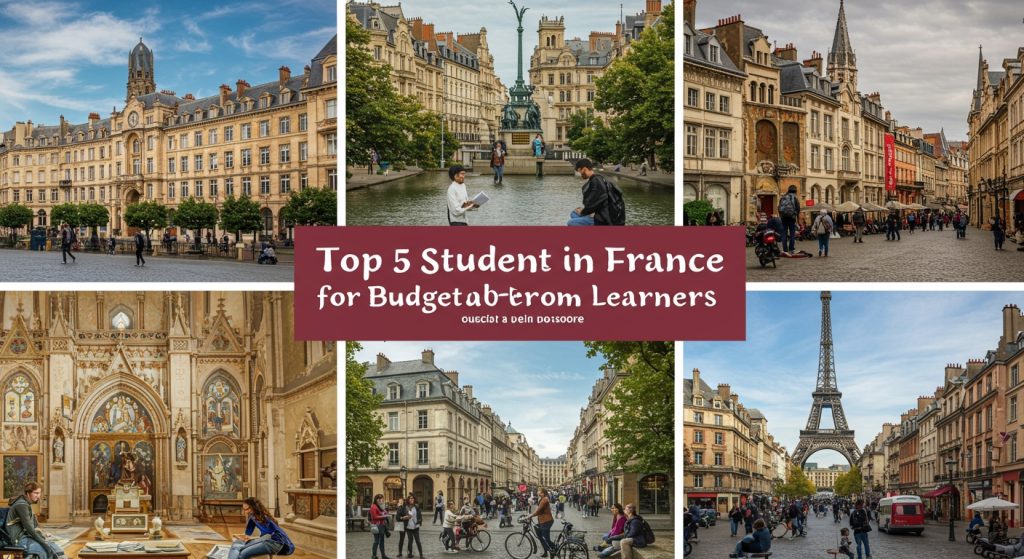

Successfully navigating student life in France demands more than just academic prowess; it requires a strategic approach to cultural integration and administrative realities. Current trends highlight the increasing digitalization of essential services, from démarches for Carte Vitale and CAF housing aid to online visa renewals, making digital literacy crucial for international students. Moreover, understanding the nuances of French social etiquette, such as direct communication styles and the importance of l’art de vivre in daily routines like meal times and coffee breaks, provides unique insight into local interactions. Adapting to these cultural specificities, alongside managing the practicalities of setting up a bank account or mastering public transport systems like the Navigo pass, directly impacts an international student’s overall experience and success.

Embracing the Adventure: Understanding French Student Life
Embarking on a journey to study in France is an incredible opportunity. it’s much more than just attending classes. To truly thrive, it’s essential to immerse yourself in the vibrant tapestry of French student life and culture. This means understanding the rhythm of daily life, the nuances of social interactions. the administrative hurdles you might encounter. Unlike the structured environments some students are used to, French universities often encourage a higher degree of independence, both academically and socially. Preparing yourself for this unique experience is key to a smooth and enjoyable transition.
For instance, one significant difference often lies in the approach to learning. While some educational systems might emphasize continuous assessment and frequent assignments, French higher education often places a greater weight on end-of-semester exams and independent study. This shift requires a proactive approach to learning and time management, making your experience with student life France truly unique.
Navigating the Administrative Labyrinth: Key Bureaucratic Steps
One of the initial challenges for any international student in France is tackling the administrative tasks. France is known for its bureaucracy. with patience and preparation, you can navigate it successfully. Understanding these steps early will significantly ease your transition into student life France.
- Visa and Residence Permit (Titre de Séjour)
- OFII (Office Français de l’Immigration et de l’Intégration)
- Opening a Bank Account
- Healthcare and Social Security
If you are from outside the EU/EEA, obtaining a long-stay student visa is your first step. Upon arrival, you’ll need to validate your visa online via the ANEF (Administration Numérique des Étrangers en France) portal or apply for a residence permit if your visa requires it. Keep all your original documents organized.
Historically, this was a key step for visa validation. While much is now digitalized through ANEF, some procedures might still involve OFII for medical visits or interviews depending on your specific visa type. Always check the latest requirements from Campus France or your local prefecture.
Essential for receiving funds, paying rent. managing daily expenses. Major banks like Société Générale, BNP Paribas, LCL. Crédit Agricole have specific offers for students. You’ll typically need your passport, proof of address (like a rental contract or a utility bill in your name). proof of student status.
All students in France must be registered with the French social security system (Sécurité Sociale). This provides access to healthcare. Enrollment is usually free for students. You’ll then need to choose a mutuelle (complementary health insurance) to cover the remaining costs not reimbursed by social security. Websites like Ameli. fr are excellent resources for understanding the process.
“I remember spending an entire day trying to open a bank account because I didn’t have a French phone number yet,” shares Maria, an exchange student from Mexico. “It taught me to get a local SIM card immediately upon arrival. Small steps like that make a big difference in the long run.”
Finding Your French Home: Housing Options Explained
Securing suitable accommodation is paramount for a comfortable student life France. France offers a range of housing options, each with its own advantages and considerations.
| Housing Type | Description | Pros | Cons | Average Monthly Cost (Indicative) |
|---|---|---|---|---|
| CROUS Residences | Government-subsidized student housing, often managed by regional student services. | Affordable, often close to universities, social environment, includes utilities. | High demand, basic amenities, strict application process, small spaces. | €150 – €400 |
| Private Student Residences | Privately owned and managed, offering furnished studios or apartments. | Modern facilities, often includes services (laundry, gym), easier application than CROUS. | More expensive than CROUS, can be less social. | €400 – €800 |
| Shared Apartments (Colocation) | Renting an apartment with one or more flatmates. | More spacious, shared costs, social interaction, opportunity to live with French students. | Finding compatible flatmates, potential conflicts, shared responsibility for bills. | €300 – €600 (per person) |
| Studio/Apartment (Private Rental) | Renting your own unfurnished or furnished apartment from a landlord. | Independence, privacy, freedom to decorate. | Most expensive, requires a guarantor, administrative hassle (utilities, internet). | €500 – €1000+ |
| Homestay (Chez l’habitant) | Living with a French family. | Cultural immersion, language practice, often includes meals. | Less independence, adapting to family rules, can be far from university. | €400 – €800 |
Websites like Lokaviz (for CROUS), Adele. org (for private residences). general rental sites like Leboncoin or SeLoger are good starting points. Be aware of scams and never pay money without a signed contract and having seen the place. Many landlords require a garant (guarantor) who is a resident of France. Services like Visale can act as a state-backed guarantor for students.
Mastering Your Finances: Budgeting and Student Work
Managing your finances effectively is crucial for a stress-free student life France. While France can be expensive, especially in major cities like Paris, careful budgeting can help you make the most of your money.
- Average Monthly Expenses
- Student Discounts
- CAF (Caisse d’Allocations Familiales)
- Student Jobs
Beyond rent, consider food (€200-€300), transportation (€20-€70 depending on city and student pass), utilities (if not included in rent, €50-€100), health insurance (mutuelle, €10-€50). leisure (€100+).
Always carry your student card! It grants you discounts on public transport, museums, cinemas, restaurants. software. The “Carte Jeune” for SNCF trains is also a great investment if you plan to travel.
The French government offers housing aid (APL or ALS) to eligible students, regardless of nationality. This can significantly reduce your rent burden. The application process is entirely online via the CAF website and requires patience and a lot of documents.
International students with a valid student visa are generally allowed to work up to 964 hours per year (around 20 hours per week). Common student jobs include tutoring, working in restaurants/bars, retail, or administrative tasks. Websites like APEC (for internships/jobs for those with higher education), Indeed France. university job boards are good places to look.
“I always advise students to create a detailed budget before they arrive and track their spending for the first few months,” says Dr. Isabelle Dubois, an international student advisor at a Parisian university. “It’s easy to get carried away with new experiences. financial stability is foundational to enjoying your time here.”
Navigating Academics: The French University Experience
The academic culture in France might differ from what you’re accustomed to. Understanding these differences will help you excel in your studies and integrate smoothly into student life France.
- Independence and Critical Thinking
- Course Structure
- Grading System
- Classroom Etiquette
- Plagiarism
French universities highly value independent study, critical analysis. the ability to formulate well-reasoned arguments. Don’t expect constant hand-holding; professors expect you to take initiative in your learning.
Lectures (cours magistraux) are often large and theoretical, while practical sessions (travaux dirigés – TD) and lab work (travaux pratiques – TP) are smaller and more interactive. Attendance in TDs and TPs is usually mandatory and graded.
Grades are typically on a 20-point scale (0-20), with 10/20 being a passing grade. A grade of 12-14 is considered good. anything above 16 is excellent.
Punctuality is vital. While French students may sometimes arrive a few minutes late to lectures, it’s best to be on time. Participation is encouraged. avoid interrupting. Address professors as “Monsieur” or “Madame.”
French universities have a strict policy against plagiarism. Always cite your sources meticulously. Tools like Turnitin are commonly used.
“When I first started my Master’s in Lyon, I was surprised by how little direct instruction we got compared to my home university,” recalls Kenji, a Japanese student. “I learned quickly that professors expected us to read extensively outside of class and come prepared to discuss. It pushed me to become a much more self-directed learner.”
Beyond the Books: Social Integration and Cultural Immersion
One of the richest aspects of student life France is the opportunity for cultural immersion. Actively seeking social integration will not only enhance your experience but also help you overcome potential culture shock.
- Language Barrier
- Making Friends
- University Associations
- Erasmus/International Student Networks
- Local Hangouts
- Cultural Nuances
- Greetings
- Meal Times
- Politeness
While many French people in urban areas, especially younger generations, speak English, making an effort to speak French will significantly improve your experience. Even basic phrases will be appreciated. Join university language exchange programs or local conversation groups.
Join student clubs (associations étudiantes) related to your hobbies, sports, or academic interests. Most universities have international student associations designed to help new arrivals.
Connect with other international students through groups like ESN (Erasmus Student Network). They often organize events and trips.
Frequent local cafés, markets. parks. Engage in polite conversation. French social interactions can be more reserved initially but become very warm once trust is established.
The “bise” (kiss on the cheek) is common among friends and acquaintances. a handshake is appropriate for more formal settings. Don’t be afraid to ask how many kisses are customary in a particular region (it varies!).
Lunch (12-2 PM) and dinner (7-9 PM) are significant social events. Meals are often longer and more relaxed than in some other cultures.
Always start conversations with “Bonjour Monsieur/Madame” and end with “Merci, au revoir.” It’s considered rude to launch directly into a request without a proper greeting.
“My biggest breakthrough in French came from volunteering at a local charity,” says Chloe, an American student. “I was forced to speak French daily. the local volunteers were incredibly patient and helpful. It was a fantastic way to meet people outside the university bubble and truly experience French student life.”
Exploring the Hexagon: Travel and Leisure in France
France offers an incredible array of cultural and natural wonders. Don’t let your student life France be confined to your campus. Take advantage of your location to explore!
- City Exploration
- Regional Travel
- Cultural Events
- Food & Drink
Each French city has its unique charm. Walkable cities, historic sites, vibrant markets. world-class museums are often accessible with student discounts.
France’s excellent train network (SNCF) and regional buses make inter-city travel relatively easy and affordable, especially with student passes or the “Carte Jeune.” Consider weekend trips to the Alps, the Mediterranean coast, or charming villages.
Keep an eye out for local festivals (music, film, food), concerts. art exhibitions. Many cities offer free events or discounted student tickets.
Indulge in French cuisine! Visit local bakeries (boulangeries) for fresh bread and pastries, explore regional specialties. enjoy the café culture. Remember, moderation and savoring the experience are key.
As Rick Steves, a renowned travel writer, often advises, “Europe is best seen from the ground up.” This sentiment perfectly applies to student life France, encouraging you to step out and explore the country’s diverse landscapes and cultures firsthand.
Health and Well-being: Prioritizing Your Mental and Physical Health
Maintaining your well-being is vital for a successful and enjoyable student life France. Don’t overlook your physical and mental health amidst the excitement and challenges.
- French Healthcare System
- Mental Health Support
- Staying Active
- Nutrition
Once registered with Sécurité Sociale, you’ll receive a Carte Vitale (health insurance card). You can then choose a general practitioner (médecin traitant) who will be your primary point of contact for medical needs. Most medical consultations require you to pay upfront. a portion (typically 70%) is reimbursed by Sécurité Sociale, with the remaining covered by your mutuelle.
Moving to a new country can be stressful. Universities often have psychological counseling services available to students, sometimes free or at a reduced cost. Don’t hesitate to seek help if you’re feeling overwhelmed, homesick, or experiencing anxiety or depression. Organizations like Apsytude also offer psychological support specifically for students.
Most universities offer sports clubs and facilities. Joining a gym, taking up a new sport, or simply walking around your city are great ways to stay fit and meet people.
While indulging in French pastries is delightful, ensure you maintain a balanced diet. Local markets offer fresh, affordable produce. Learning to cook simple French dishes can also be a fun cultural activity.
Boosting Your French: Immersion Beyond the Classroom
While your university courses will provide a strong foundation, true fluency in French comes from consistent immersion. This is a critical aspect of enriching your student life France.
- Daily Practice
- Media Consumption
- Language Exchange Partners (Tandem)
- Befriend Locals
- Think in French
Make an effort to speak French in everyday situations – at the bakery, in shops, when asking for directions. Don’t be afraid to make mistakes; it’s how you learn!
Watch French TV shows and movies (with subtitles initially, then without), listen to French radio and podcasts. read French newspapers or magazines.
Find a native French speaker who wants to learn your language. You can meet regularly to practice both languages. Many university language centers or student associations facilitate this.
Actively seek out opportunities to interact with French students and locals. Join a sports club, volunteer, or participate in local community events.
Challenge yourself to internalize thoughts in French. This helps you build fluency and quicken your responses.
Duolingo, Babbel. Memrise are excellent apps for daily vocabulary and grammar practice. For more structured learning, consider online courses from Alliance Française or university summer programs.
Practical Tips for Daily Life and Safety
Living independently in a new country requires a few practical considerations to ensure your safety and smooth daily operations during your student life France.
- Emergency Numbers
- 112
- 15
- 17
- 18
- Transportation
- Safety
- Shopping
- Banking Hours
- Adapters
European emergency number (can be used anywhere in the EU)
SAMU (Medical emergencies)
Police (Law enforcement)
Sapeurs-Pompiers (Fire brigade, also for accidents and rescue)
Public transport (metros, buses, trams) in French cities is generally efficient and safe. Consider purchasing a monthly or annual student pass (e. g. , Navigo in Paris, TCL in Lyon). Biking is also popular in many cities.
While France is generally safe, be aware of your surroundings, especially in crowded tourist areas or late at night. Pickpocketing can occur. Always keep an eye on your belongings. Avoid walking alone in poorly lit areas.
Supermarkets like Carrefour, Auchan, Leclerc. Franprix are common. Local markets (marchés) are great for fresh produce and a cultural experience. Many shops close on Sundays. some smaller ones might close for lunch.
French banks often have limited opening hours and may close for lunch. It’s advisable to make appointments for vital transactions.
France uses Type E power sockets. Ensure you have the correct adapters for your electronic devices.
By keeping these tips in mind, you’ll be well-equipped to navigate the practicalities of French student life, leaving you more time to focus on your studies and enjoy the incredible cultural experience ahead.
Conclusion
Thriving in French student life means embracing the beautiful chaos and unique charm beyond the classroom. It’s about more than just mastering verb conjugations; it’s about confidently navigating marchés, engaging in passionate debates at a café. learning to appreciate the nuanced art of la bise. Remember that initial awkwardness trying to perfect your accent or deciphering administrative forms at the préfecture? These moments, while challenging, forge resilience and deeper cultural understanding. My personal tip? Don’t just study French, live it. Seek out authentic interactions, perhaps by joining a local club de lecture or a pétanque game, where genuine connections truly blossom. In an increasingly digital world, also leverage online platforms like language exchange apps. always pair them with real-world experiences. Your growth will come not from flawless grammar. from the courage to communicate, to make mistakes. to truly immerse yourself. This journey isn’t merely about earning a degree; it’s about transforming into a more adaptable, globally-aware individual ready for whatever comes next. So, go forth, make mistakes, laugh at them. truly vivre l’expérience française – it will be one of the most enriching chapters of your life.
More Articles
Unlock Your Future: Step-by-Step Guide to Applying to French Universities in 2025
Unlock Your Future: Top Strategies for Thriving in Open University Online Learning
Unlock Your Future: Discover the Hidden Benefits of State Universities for Career Success
Beyond the Books: Practical Daily Habits That Will Boost Your SAT Score Significantly
Unlock Your Future: Discover How a Harvard Degree Transforms Global Careers in 2025

FAQs
What’s the very first thing I should do when I arrive in France as a student?
Focus on getting your administrative basics sorted! This includes registering at your university, opening a bank account. sorting out your student visa (if applicable) and residence permit. These steps are crucial for everything else, from getting paid if you work to accessing healthcare.
My French isn’t perfect. Will I struggle a lot with daily life and making friends?
While having a good grasp of French is definitely helpful, don’t let it stop you! Many French students and people in larger cities speak English, especially at universities. The best way to improve is to immerse yourself – speak French whenever you can, even if you make mistakes. don’t be afraid to ask for clarification. People usually appreciate the effort!
How can I meet people and make friends outside of my classes?
Get involved! Join university clubs, sports teams, or student associations (associations étudiantes). These are fantastic ways to meet both French and international students with similar interests. Also, be open to invitations, even for casual coffees or drinks. don’t be shy about initiating conversations. French people might seem reserved at first. they can be incredibly warm once you get to know them.
Are French university classes and expectations very different from what I’m used to?
Yes, there can be some key differences. French universities often place a strong emphasis on lectures (cours magistraux) and independent study. Participation might be less direct in large lectures. tutorials (TDs/TPs) offer more interaction. Be prepared for detailed, structured essays and oral presentations. pay close attention to methodology – it’s often highly valued.
Any quick tips for navigating everyday life, like transportation or groceries?
Definitely! Get a student transport pass – it’s usually much cheaper and essential for getting around. For groceries, explore local markets (marchés) for fresh produce. don’t shy away from discount supermarkets like Lidl or E. Leclerc for staples. Also, embrace the rhythm of French life, including longer lunch breaks and later dinner times. try to shop with reusable bags.
What if I feel overwhelmed or experience culture shock?
It’s totally normal to feel a bit overwhelmed sometimes! Give yourself grace and time to adjust. Connect with other international students who are likely going through similar things, or reach out to your university’s international student support services – they are there to help. Remember why you came and try to find small joys in your new environment. It gets easier!
How can I manage my money better and save some euros while living in France?
Budgeting is key! Track your expenses and look for student discounts (réductions étudiantes) everywhere – for museums, cinemas, public transport. even some restaurants. Cooking at home is much cheaper than eating out regularly. don’t underestimate the value of cheap, tasty bread and cheese for a quick meal! Also, check if you’re eligible for housing aid (APL).