The landscape of American universities transforms rapidly, challenging prospective students to look beyond traditional rankings and consider future relevance. By 2025, institutions integrate advanced AI tools for personalized learning and embrace hybrid models, shifting focus from rote memorization to critical thinking and adaptive skill development. The burgeoning demand for competencies in fields like data science, cybersecurity. sustainable technologies reshapes curricula, making experiential learning and interdisciplinary programs crucial for career preparedness. Navigating this dynamic environment requires a strategic approach, ensuring your chosen American university offers not just a degree. a robust framework for continuous innovation and adaptability in an unpredictable global job market.
The Evolving Landscape of American Higher Education in 2025
The journey through an American university is no longer a linear path; it’s a dynamic, ever-changing landscape shaped by rapid technological advancements, evolving job markets. a globalized world. For prospective students aiming to navigate this environment in 2025, understanding these shifts is paramount to future-proofing their education. Gone are the days when a traditional four-year degree alone guaranteed success. Today. even more so tomorrow, the value of your education lies in its adaptability, its relevance to emerging industries. its capacity to equip you with a diverse set of skills.
One of the most significant shifts is the move towards more flexible and personalized learning experiences. While the foundational elements of an American university education remain strong—critical thinking, research. collaborative learning—the methods of delivery and the emphasis on certain skills are rapidly transforming. This evolution is driven by several factors, including the acceleration of artificial intelligence (AI), the demand for specialized technical skills alongside robust soft skills. the increasing recognition of lifelong learning as a necessity.
For instance, according to a recent report by the World Economic Forum, 50% of all employees will need reskilling by 2025, with critical thinking, analysis. problem-solving topping the list of skills employers believe will grow in prominence. This statistic alone underscores why choosing and maximizing your American university experience in the coming years demands a strategic approach, focusing not just on what you learn. how you learn and how you apply that knowledge.
Key Trends Shaping Your American University Experience
As you prepare for university life, several significant trends will define your educational journey. Being aware of these will allow you to make informed decisions and optimize your learning experience.
- Hybrid and Blended Learning Models
- Definition
- Real-world application
- AI and Automation in Academia
- Case Study
- Emphasis on Interdisciplinary Studies
- Micro-credentials and Skill Stacking
- Definition
- Real-world application
- Global Engagement and Remote Internships
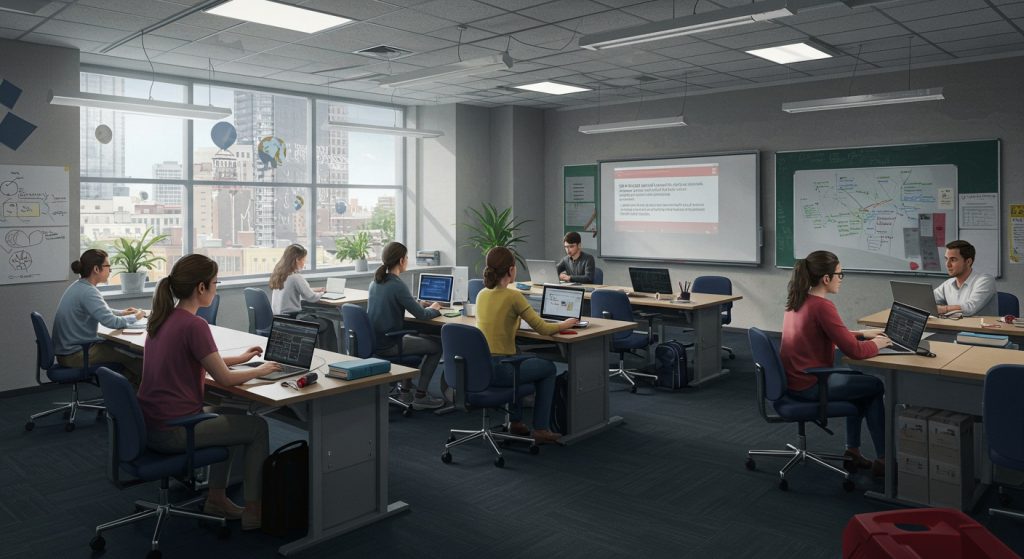
Hybrid learning, also known as blended learning, combines traditional in-person classroom instruction with online learning activities. This isn’t just about moving classes online; it’s about strategically integrating digital tools and resources to enhance the overall learning experience. For example, a student might attend lectures on campus twice a week and then complete interactive simulations, collaborative online projects, or self-paced modules through the university’s Learning Management System (LMS) at home.
Many American universities adopted hybrid models extensively during the pandemic. many have continued to refine them. For example, Arizona State University has been a pioneer in scaling online learning, integrating it seamlessly with their on-campus offerings to provide greater flexibility and access. This model allows students to manage their schedules more effectively, potentially balancing studies with part-time work or internships.
| Aspect | Traditional In-Person Learning | Hybrid/Blended Learning |
|---|---|---|
| Flexibility | Low (fixed schedule, location) | High (mix of fixed & flexible components) |
| Interaction | Primarily face-to-face | Mix of face-to-face & online collaboration |
| Pacing | Instructor-led, uniform | Some self-paced elements possible |
| Resource Access | Mainly physical library, labs | Extensive digital resources, virtual labs |
| Cost Implications | Higher potential for on-campus living, transport | Potential for reduced living costs. tuition can be similar |
AI isn’t just for tech majors. It’s becoming an integral part of the learning process across all disciplines at an American university. AI tools can personalize learning paths, provide instant feedback on assignments, or even help researchers sift through vast amounts of data. For students, understanding how to leverage AI ethically and effectively will be a critical skill. This includes using tools like ChatGPT for brainstorming ideas (not writing essays), AI-powered grammar checkers, or data analysis software. The goal is to augment human intelligence, not replace it.
Many American universities are developing AI literacy programs. Georgia Tech, for instance, has integrated AI tools into various courses, teaching students not just to use them. to comprehend their biases, limitations. ethical implications. This prepares students for a workplace where AI will be ubiquitous.
The complex challenges of 2025 and beyond rarely fit neatly into a single academic box. Employers increasingly seek individuals who can connect ideas across different fields. Pursuing interdisciplinary studies means combining elements from two or more distinct disciplines—for example, studying environmental science with a minor in public policy, or computer science with a focus on digital humanities. This approach fosters innovative thinking and problem-solving skills highly valued in dynamic job markets.
Micro-credentials are certifications that validate specific skills or competencies, often acquired through shorter, focused learning experiences rather than traditional degrees. These can include digital badges, certificates, or nanodegrees. Skill stacking refers to the practice of accumulating multiple micro-credentials or specialized skills to build a unique and highly marketable profile.
An engineering student at an American university might earn a traditional degree but also pursue micro-credentials in specific software applications (e. g. , SolidWorks, Python for data analysis) or in project management. These additional certifications demonstrate immediate, practical skills that complement their broader degree and can be crucial for distinguishing themselves in competitive job markets. Companies like Google and IBM are even offering their own micro-credentials that are recognized by employers.
The global nature of work means international experience is more valuable than ever. While traditional study abroad programs remain popular, the rise of remote internships offers another pathway to gain international exposure without leaving your home country or campus. These experiences allow you to collaborate with teams from different cultures, develop cross-cultural communication skills. expand your professional network globally. Many American university career centers are now facilitating these types of opportunities.
Choosing the Right American University for Your Future
Selecting an American university in 2025 requires looking beyond traditional rankings and focusing on factors that genuinely contribute to a future-proof education. Here’s how to approach your decision:
- Program Relevance and Innovation
- Faculty Expertise in Emerging Fields
- Robust Career Services and Industry Connections
- Accreditation and Reputation
- Campus Culture and Innovation Hubs
- Financial Aid and Value Proposition
Research programs that are not just established but are actively evolving. Does the curriculum incorporate emerging technologies and trends? Are there opportunities for interdisciplinary study? For example, if you’re interested in healthcare, look for programs that integrate data science or health informatics. If you’re passionate about business, seek out programs with strong entrepreneurial hubs or sustainability focuses.
Investigate the faculty’s research and publications. Are they at the forefront of their fields, especially in areas like AI, renewable energy, cybersecurity, or biotechnology? Learning from professors who are actively shaping future industries can provide invaluable insights and networking opportunities.
A strong career services office that understands the 2025 job market is crucial. Look for universities with established internship programs, employer partnerships. alumni networks that are active in innovative sectors. Do they help students find remote internships or connect them with startups?
Always ensure the American university and its programs are properly accredited. Regional accreditation by bodies like the WASC Senior College and University Commission or the Middle States Commission on Higher Education signals quality and ensures your degree is recognized. Beyond accreditation, consider the university’s reputation for innovation and adaptability.
Explore if the university fosters a culture of innovation. Are there maker spaces, entrepreneurship centers, or labs dedicated to emerging technologies open to undergraduate students? A vibrant ecosystem of innovation can provide hands-on experience and networking opportunities outside the classroom. Stanford University’s d. school (Hasso Plattner Institute of Design) is a prime example of an innovation hub that encourages interdisciplinary problem-solving and design thinking.
Evaluate the true cost of attendance versus the potential return on investment (ROI). Consider financial aid packages, scholarships. the average post-graduation salaries for your chosen field. Websites like the U. S. Department of Education’s College Scorecard can provide data on earnings after attending a specific American university.
Future-Proofing Your Skillset: What Employers Really Want
Beyond your major, the skills you cultivate during your American university years will define your career trajectory. Employers in 2025 are looking for a blend of technical prowess and human-centric capabilities.
- Critical Thinking and Problem-Solving
- Adaptability and Resilience
- Digital Literacy & Data Fluency
- AI Literacy
- Communication and Collaboration
- Emotional Intelligence (EQ)
- Entrepreneurial Mindset
These remain foundational. The ability to examine complex situations, identify root causes. devise effective solutions is timeless and increasingly valuable in an era of rapid change.
The pace of technological and societal change demands individuals who can quickly learn new tools, embrace new methodologies. bounce back from setbacks. The willingness to continually upskill and reskill is non-negotiable.
Regardless of your field, a foundational understanding of digital tools, data analysis. cybersecurity basics is essential. This doesn’t mean you need to be a coder. you should be comfortable interpreting data, using analytical software. understanding digital ethics.
Beyond simply using AI tools, future-proofed students grasp the capabilities and limitations of AI, its ethical implications. how it can be responsibly integrated into workflows.
The ability to articulate complex ideas clearly, both verbally and in writing. to work effectively in diverse teams (in-person or remote) is consistently ranked among the most desired skills by employers.
Understanding and managing your own emotions. accurately perceiving and influencing the emotions of others, is crucial for leadership, teamwork. navigating complex social dynamics in the workplace.
This isn’t just about starting a business; it’s about approaching challenges with innovation, taking initiative, identifying opportunities. demonstrating resourcefulness—qualities highly valued in any role.
Consider Sarah, a recent graduate from an American university with a degree in Communications. Instead of just focusing on traditional media, she took electives in data analytics and digital marketing, completed a remote internship with a tech startup. earned a micro-credential in social media strategy. Her ability to combine strong communication skills with digital fluency and a proactive, entrepreneurial approach made her highly attractive to employers in a competitive market.
Leveraging Technology for Enhanced Learning and Career Preparation
Your American university experience in 2025 will be deeply intertwined with technology. Learning how to effectively use these tools will not only enhance your studies but also prepare you for the tech-driven workplace.
- Learning Management Systems (LMS)
- AI-Powered Study Tools
- Grammar and Writing Assistants
- Research Assistants
- Flashcard and Spaced Repetition Apps
- Networking Platforms
- University Alumni Networks
- Virtual Reality (VR) and Augmented Reality (AR) in Education
Platforms like Canvas, Blackboard, or Moodle are your central hub for course materials, assignments, grades. communication. Master these early! Actively participate in online discussions, utilize their notification systems. familiarize yourself with all their features to stay organized and engaged.
Tools like Grammarly or ProWritingAid can significantly improve your writing quality by identifying errors and suggesting stylistic enhancements.
AI tools can help summarize lengthy articles, identify key concepts in academic papers, or even suggest relevant research based on your queries. Always verify data from AI with credible sources.
Apps like Anki or Quizlet, sometimes with AI features, can optimize your study schedule by showing you details when you’re most likely to forget it, enhancing long-term retention.
Essential for professional networking. Start building your profile early, connect with professors, alumni. professionals in your desired field. Utilize it to research companies and potential mentors.
Many American universities have robust alumni platforms. These are invaluable for mentorship, career advice. job opportunities. Actively engage with these communities.
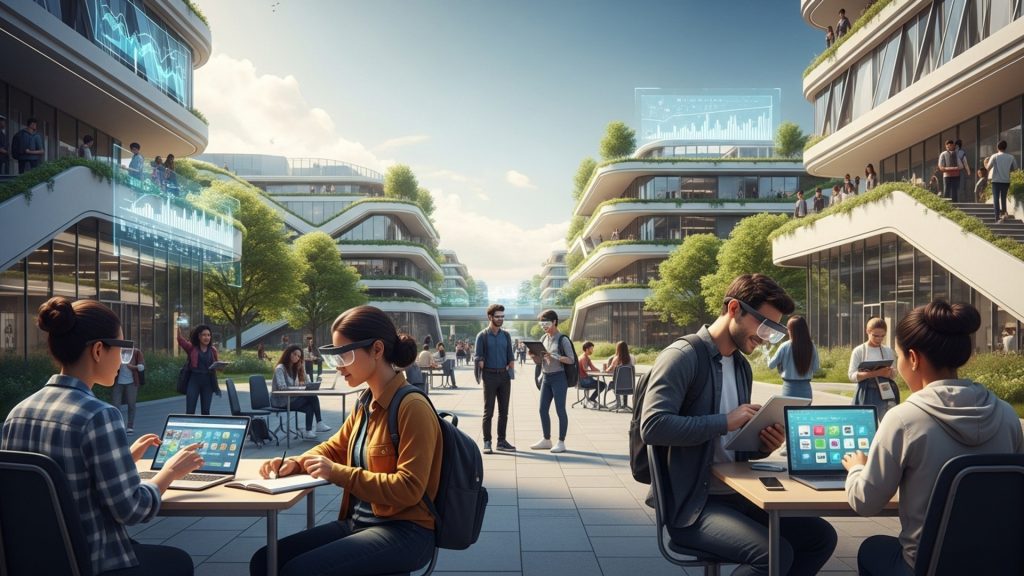
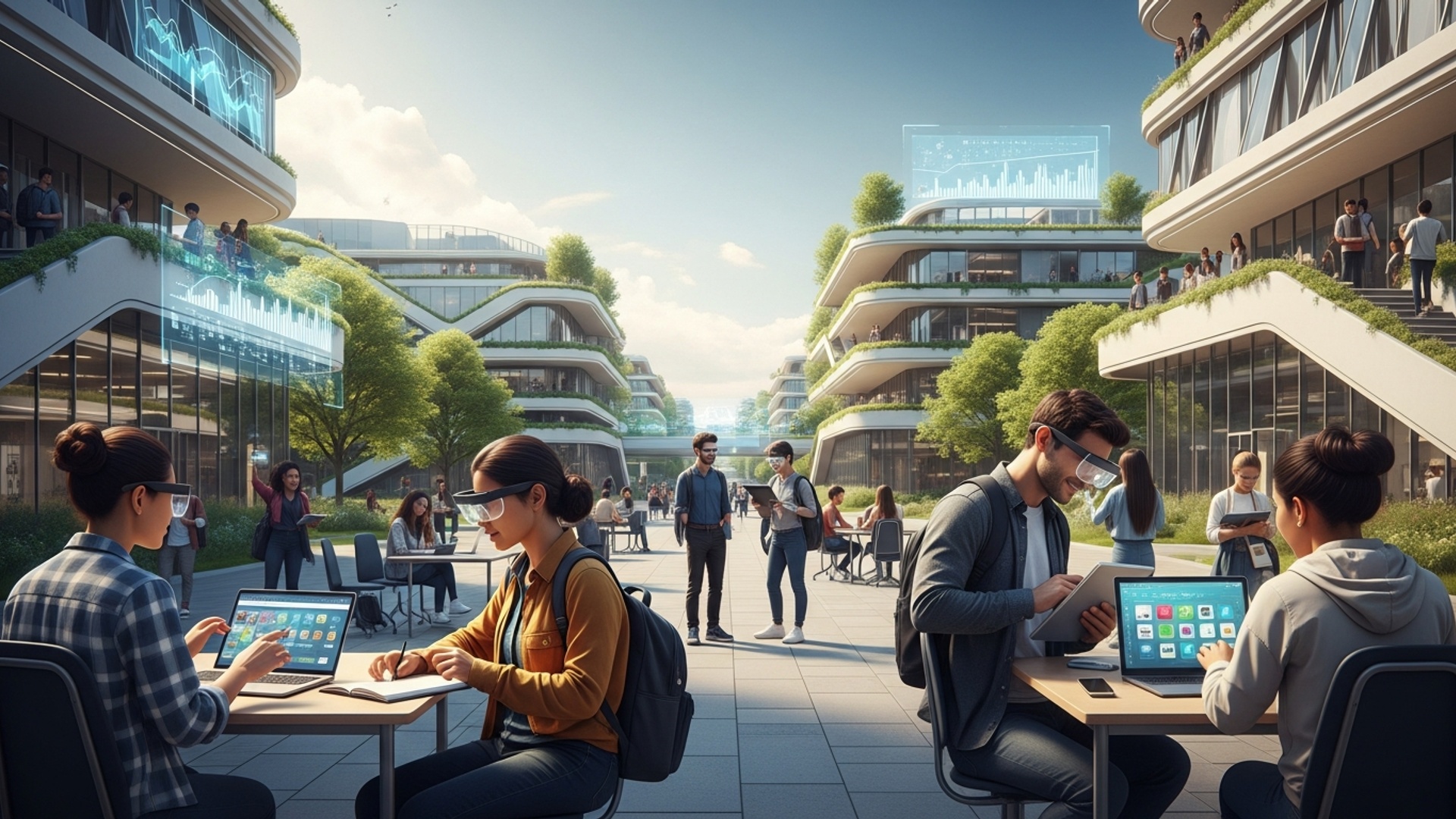
While still emerging, some American universities are integrating VR/AR for immersive learning. Imagine dissecting a virtual frog in biology, exploring ancient ruins in history, or practicing complex surgical procedures in medicine without leaving the lab. Keep an eye out for these innovative learning opportunities in your chosen programs.
Navigating the Application and Admission Process in a Changing World
Applying to an American university in 2025 requires showcasing not just academic achievement. also your potential for adaptability and future-oriented thinking. The process is increasingly holistic, looking at a broader picture than just grades and test scores.
- Holistic Review Emphasis
- Demonstrating Adaptability and Future-Oriented Thinking
- Essays: Showcasing Unique Skills and Perspectives
- Letters of Recommendation: Choosing Recommenders Who Know Your Future Potential
- Interviews (if applicable)
Admissions committees are looking for well-rounded individuals who contribute positively to the university community. This means your extracurricular activities, leadership roles, community service. unique experiences are as crucial as your GPA.
In your essays and interviews, articulate how you’ve embraced new challenges, learned new skills, or adapted to unforeseen circumstances. Discuss your awareness of global trends and how your chosen field connects to future societal needs. For example, if you’re interested in engineering, talk about sustainable design or ethical AI development.
Your personal statement is your chance to tell your story. Don’t just list achievements; reflect on what you learned from them. Highlight instances where you demonstrated critical thinking, problem-solving, resilience, or an entrepreneurial mindset. If you’ve taken an online course in a cutting-edge field or participated in a hackathon, describe how that experience shaped your perspective.
Select teachers, mentors, or employers who can speak to your character, work ethic, intellectual curiosity. your potential to thrive in a dynamic academic environment. A recommender who can highlight your growth mindset or your ability to embrace new technologies will be particularly valuable.
If you get an interview, be prepared to discuss current events, your understanding of your chosen field’s future. how you envision contributing to the university community. Practice articulating your thoughts clearly and confidently.
Financial Planning for Your American University Education
Understanding the financial aspects of an American university education is crucial. Tuition costs can be substantial. numerous resources are available to help make it affordable.
- Understanding Tuition Models
- Scholarships for Future-Oriented Fields
- Work-Study Programs
- Return on Investment (ROI) of Different Degrees
- Filing the FAFSA and CSS Profile
Be aware of the differences between in-state and out-of-state tuition. public versus private university costs. Some American universities are experimenting with income-share agreements or tuition freezes, so research each institution thoroughly.
Many organizations and universities offer scholarships specifically for students pursuing degrees in high-demand or emerging fields like STEM (Science, Technology, Engineering, Math), healthcare, sustainability, or AI. Actively seek these out. Websites like Fastweb, College Board. the U. S. Department of Labor’s scholarship search tool are excellent starting points.
Many American universities offer federal work-study programs that allow students to earn money to help pay for educational expenses while gaining valuable work experience. These roles often align with academic interests or provide transferable skills.
While passion should drive your choices, it’s prudent to consider the potential ROI of different degrees and institutions. Research average starting salaries for graduates in your intended major from specific universities. Remember, a degree from an American university is an investment. understanding its potential returns can help you make informed decisions.
These forms are essential for determining eligibility for federal and institutional financial aid (grants, scholarships, loans). Complete them accurately and on time.
Conclusion
As you embark on or continue your journey through American universities in 2025, remember that future-proofing your education isn’t about rigid degree paths. about cultivating adaptability. The landscape is shifting rapidly, with generative AI tools like ChatGPT becoming commonplace and demanding a new blend of critical thinking and digital fluency. My personal tip is to actively seek out interdisciplinary opportunities; don’t just pick a major, curate an experience. For instance, combining a humanities degree with a minor in data analytics or digital media can unlock unforeseen career paths, much like my colleague who merged philosophy with UX design to become an ethical AI strategist. Engage with emerging technologies, leverage mentorship. grasp that your education is a dynamic, ongoing process. This isn’t merely about securing a job; it’s about building a resilient mindset. Embrace the uncertainty, for within it lies immense potential for innovation and personal growth, ensuring your academic investment yields lifelong returns. For further insights into career adaptability, consider exploring Future-Proof Your Career: Selecting the Best MBA Specialization for 2025 Trends.
More Articles
National Universities: Driving Economic Growth and Innovation for Tomorrow’s Workforce 2025
Future-Proof Your Career: Selecting the Best MBA Specialization for 2025 Trends
Navigating 2025: Key Digital Leadership Skills for Modern Organizational Success
Unlock Your Future: Practical Benefits of Choosing a State University for Lifelong Success
Columbia University: Leading Urban Innovation and Interdisciplinary Studies in 2025

FAQs
What should I expect to be different about applying to American universities in 2025 compared to previous years?
Admissions in 2025 will continue to emphasize a holistic review, looking beyond just test scores. Expect more focus on your unique experiences, personal essays reflecting adaptability and problem-solving. a demonstrated interest in interdisciplinary learning. Test-optional policies are likely to remain prevalent, giving you more flexibility in showcasing your strengths.
How can I ensure my education will actually prepare me for future jobs that might not even exist yet?
The key is to focus on transferable skills like critical thinking, complex problem-solving, creativity, digital literacy. emotional intelligence. Combine your core major with minors or certificates in emerging fields (like AI ethics or data analytics) and seek out project-based learning. Don’t just learn what to think. how to learn and adapt continually.
Are there specific academic areas that are really taking off and worth looking into for 2025 and beyond?
Absolutely! Fields at the intersection of technology and other disciplines are booming. Think AI and machine learning, cybersecurity, data science, sustainable engineering, bioinformatics. digital humanities. Also, anything related to healthcare innovation or personalized medicine will continue to be crucial due to societal demands.
How will new tech like AI or VR change how I actually learn at university?
Technology will increasingly personalize your learning experience. Expect AI-powered tutoring tools for tailored feedback, virtual reality labs for immersive simulations. augmented reality to enhance classroom discussions. Hybrid learning models will likely become the norm, offering flexibility with online and in-person components, requiring strong digital self-management skills.
I’m worried about the cost of college. Will financial aid options be any different or better in 2025?
Financial aid is constantly evolving. While costs remain a concern, universities are increasingly looking at merit-based aid and institutional scholarships to attract diverse talent. The FAFSA process might see further streamlining. it’s crucial to apply early, explore all scholarship avenues. critically evaluate a university’s value proposition relative to its cost.
How can I get real-world experience during my studies without just adding more stress to my plate?
Seek out universities with strong co-op programs, integrated internships, or service-learning opportunities that are built into the curriculum. Join student organizations related to your field, participate in hackathons or case competitions. pursue part-time jobs or volunteer roles that align with your career interests. Even small projects can add up!
With everything changing so fast, what’s the smartest way to pick the right university for me in 2025?
Look beyond rankings! Focus on institutions that are known for innovation, interdisciplinary programs, strong career services. a culture of adaptability. Consider their investment in future-focused technologies and faculty, the flexibility of their curriculum. their alumni network’s success in diverse fields. Visiting campuses (virtually or in person) and talking to current students and faculty will give you the best insights.