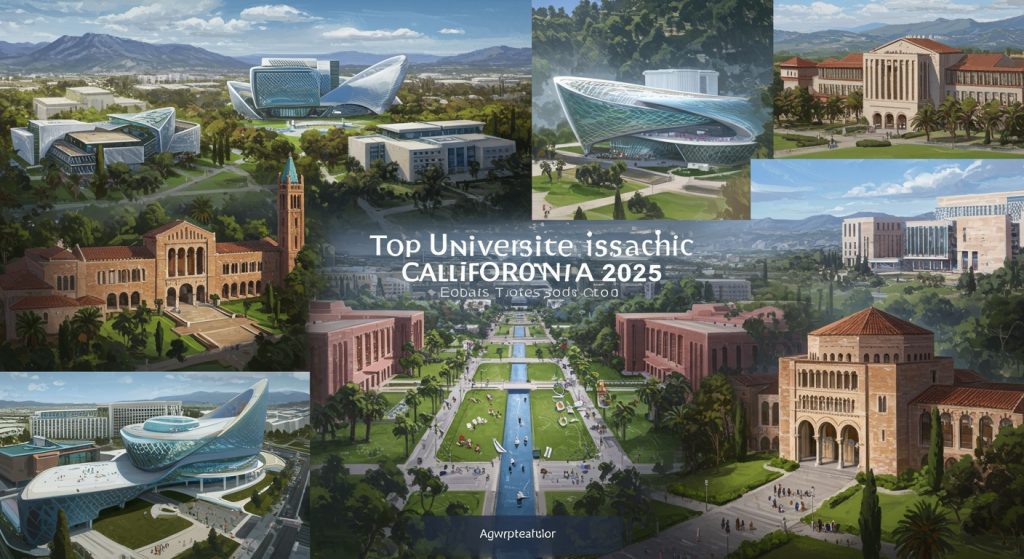

Many prospective students and parents initially weigh state universities against private institutions primarily on tuition costs. But, a deeper examination reveals a robust and often overlooked portfolio of long-term state university benefits that extend far beyond immediate financial savings. Recent data from institutions like the University of California system, for instance, highlight how extensive alumni networks actively drive regional innovation and offer unparalleled career mentorship, proving invaluable in today’s dynamic job market. Moreover, state universities frequently anchor critical research initiatives, from sustainable energy breakthroughs to public health advancements, providing students direct access to impactful, real-world projects. This extensive engagement cultivates not just academic prowess but also a practical, adaptable skillset highly prized by employers, fundamentally shaping future success.

Beyond the Sticker Price: Unveiling the True Value of State Universities
When you’re mapping out your post-high school journey, the financial aspect of higher education is often top-of-mind. State universities are widely recognized for their accessibility and relatively lower tuition fees compared to many private institutions. But, to truly comprehend the profound impact of these institutions, we must look far beyond the immediate cost savings. The long-term state university benefits extend into every facet of your life, shaping not just your career trajectory but also your personal growth, worldview. future opportunities in unexpected ways.
Think of it as an investment not just in a degree. in an entire ecosystem designed for broad personal and professional development. The value proposition of a state university is multifaceted, offering a rich tapestry of experiences that cultivate resilience, adaptability. a global perspective. This isn’t just about getting a good education; it’s about building a robust foundation for a thriving future.
A Melting Pot of Perspectives: Embracing Diversity and Global Mindsets
One of the most enriching and often underestimated state university benefits is the unparalleled diversity you’ll encounter. State universities, by their very nature, serve a broad public, drawing students from every corner of their state, across the nation. indeed, from around the globe. This creates an incredibly vibrant and dynamic learning environment where you’ll interact with peers from vastly different socioeconomic backgrounds, cultures, ethnicities. belief systems.
- Cultural Immersion: Imagine discussing political science with someone who grew up in a rural farming community, collaborating on a group project with an international student from Tokyo, or debating philosophy with a classmate whose parents emigrated from a different continent. This daily exposure broadens your horizons in ways a textbook never could.
- Enhanced Critical Thinking: Engaging with diverse viewpoints challenges your assumptions, refines your critical thinking skills. fosters empathy. You learn to listen, articulate your own ideas persuasively. navigate complex social dynamics – essential skills for any modern career and global citizenship.
- Real-World Preparation: The world outside university is inherently diverse. Experiencing this diversity firsthand in a supportive academic setting prepares you for a globalized workforce and a multicultural society. It teaches you how to collaborate effectively with people from all walks of life, a skill highly valued by employers across all industries.
For example, a student named Sarah, who grew up in a small, homogenous town, found her perspective dramatically shifted during her time at a large state university. She joined a student organization focused on international relations, where she collaborated with students from over a dozen countries. This experience not only deepened her understanding of global issues but also inspired her to pursue a career in international development, a path she hadn’t even considered before.
Forging Lifelong Connections: The Power of the Alumni Network
Beyond your immediate classmates, state universities boast extensive and often incredibly powerful alumni networks. These networks are a cornerstone of the long-term state university benefits, offering a lifetime of connections, mentorship. professional opportunities. An ‘alumni network’ refers to the community of former students who have graduated from the institution, often organized through official university channels or informal groups.
- Mentorship Opportunities: Imagine having access to thousands of professionals who were once in your shoes, eager to share their insights and guide you. Many state university alumni are deeply invested in supporting current students and recent graduates, offering advice on career paths, resume building. interview preparation.
- Career Advancement: This network can be a golden ticket for internships and job placements. Employers often prioritize candidates from their alma mater, recognizing the quality of education and shared experience. Alumni frequently post job openings within their companies directly to university career portals or reach out to departments looking for promising talent.
- Community and Support: Even years after graduation, your alumni network provides a sense of belonging and community. Whether you’re moving to a new city, looking for a career change, or simply seeking advice, connecting with fellow alumni can offer invaluable support and open unexpected doors.
Consider the story of Mark, a marketing graduate from a large state university. After struggling to find his first job out of college, he attended an alumni networking event. There, he met an alumnus who was a senior director at a major advertising agency. This connection led to an informational interview. eventually, a coveted entry-level position. Mark’s success wasn’t just about his degree; it was about leveraging the powerful, enduring network that came with his state university experience.
Hands-On Learning: Bridging Theory and Practice
Many state universities excel at providing practical, hands-on learning experiences that go beyond traditional classroom lectures. This focus on ‘experiential learning’ is a significant aspect of the state university benefits, ensuring graduates are not just knowledgeable but also skilled and ready for the demands of the professional world. Experiential learning involves learning by doing, through activities like internships, co-ops, research projects, service-learning. field studies.
- Research Opportunities: Large state universities often have cutting-edge research facilities and faculty who are leaders in their fields. As an undergraduate, you might have the chance to participate in groundbreaking research, gaining invaluable experience in scientific methodology, data analysis. critical inquiry.
- Internships and Co-ops: Strong ties to local and regional industries mean state universities often have robust internship and cooperative education programs. These provide opportunities to apply classroom knowledge in real-world settings, build your resume. explore potential career paths before graduation.
- Service Learning and Community Engagement: Many programs integrate community service with academic learning, allowing students to use their skills to address real societal needs while gaining practical experience and a deeper understanding of civic responsibility.
For instance, an engineering student at a state university might spend a summer interning at a major automotive manufacturer, working on actual design challenges. A journalism student might report for the local city newspaper, covering real events and honing their reporting skills. These experiences are not merely resume builders; they are transformative learning opportunities that solidify theoretical knowledge and develop practical competencies, making graduates highly competitive in the job market.
Building Resilience and Resourcefulness: Navigating a Large Campus
Attending a large state university often means navigating a sprawling campus, extensive resources. a diverse student body. While this might seem daunting at first, it inherently fosters invaluable life skills: resilience, resourcefulness. independence. These are often unexpected, yet profoundly impactful, state university benefits.
- Developing Independence: On a large campus, you’re encouraged to take initiative, manage your own schedule. advocate for yourself. This autonomy is a crucial step towards adult independence, preparing you for the self-reliance required in professional life and beyond.
- Problem-Solving and Adaptability: Whether it’s finding the right building for a class, signing up for a competitive course, or seeking out academic support, you’ll learn to actively seek solutions and adapt to new situations. This hones your problem-solving abilities and makes you more adaptable to change.
- Accessing a Wealth of Resources: State universities typically offer an incredible array of support services, from career centers and writing labs to counseling services and recreational facilities. Learning to identify, access. utilize these resources effectively is a skill that will serve you well throughout your life.
Imagine a student who initially felt overwhelmed by the size of their state university. Through actively engaging with student advisors, joining clubs. utilizing the campus’s extensive tutoring services, they not only thrived academically but also developed a strong sense of self-efficacy. This journey of navigating a large institution and making it their own is a powerful lesson in resilience and resourcefulness, distinguishing state university graduates.
Career Launchpad: Access to Opportunities and Practical Skills
The practical, career-focused approach of many state universities, combined with their strong industry connections, positions them as excellent launchpads for professional careers. The emphasis on preparing students for the workforce is a tangible and highly valued aspect of the state university benefits.
| Aspect | State University Approach | Long-Term Career Benefit |
|---|---|---|
| Curriculum Design | Often developed with input from industry leaders; strong focus on applied skills and emerging technologies. | Graduates possess relevant, up-to-date skills highly sought after by employers, reducing the need for extensive on-the-job training. |
| Career Services | Robust career centers offering resume workshops, mock interviews, job fairs. direct connections to regional and national employers. | Students are well-prepared for job searching, have access to a wide range of opportunities. often secure employment quickly after graduation. |
| Professional Development | Opportunities for certifications, professional organizations. leadership roles within student groups. | Develops soft skills (teamwork, communication, leadership) alongside technical knowledge, making graduates well-rounded and more promotable. |
For example, a business program at a state university might require students to complete a capstone project where they consult for a local business, providing real-world solutions to actual company challenges. This direct application of knowledge not only enhances their learning but also provides compelling portfolio pieces and networking opportunities that are invaluable when entering the job market. The focus on practical application ensures that graduates are not just theoretically sound but also practically proficient, ready to hit the ground running in their chosen careers.
To wrap things up, while the initial appeal of state universities often centers on affordability, the true depth of their offerings reveals a treasure trove of long-term advantages. From fostering diversity and building powerful networks to providing hands-on learning and cultivating resilience, the state university benefits are comprehensive and enduring, truly unlocking a future filled with potential.
Conclusion
Embracing a state university education truly unlocks a future richer than a mere diploma suggests. The unexpected long-term benefits stem from its vibrant diversity, fostering a practical resilience often overlooked. You’ll navigate a broader spectrum of ideas and backgrounds, much like I did engaging with classmates from vastly different socio-economic strata, which profoundly shaped my worldview. This environment naturally cultivates adaptability, a critical skill in today’s rapidly evolving job market where interdisciplinary thinking, like that championed by institutions solving 21st-century challenges, is paramount. My personal tip? Dive headfirst into campus organizations and internships, even if they seem unrelated to your major; these experiences are where your most valuable networks and soft skills truly blossom. Remember, your journey isn’t just about gaining knowledge; it’s about building a robust foundation for a career that demands versatility and a profound understanding of a complex world. Go forth, engage deeply. discover the extraordinary individual you’re destined to become.
More Articles
Unlocking Future Career Success: Practical Skills Gained Through Online Learning at Liberty
Flexible Learning for Success: Mastering New Skills with The Open University in 2025
Unlocking Your Potential: Selecting the Right MBA Specialization for Future Success in 2025
Beyond Your Bachelor’s: Essential Steps for Pursuing Postgraduate Study in the UK

FAQs
So, what’s the big deal about state universities for my future?
It’s not just about the diploma! Many grads find the broad network, practical skills. surprisingly strong alumni connections lead to career paths they never imagined, often with less debt holding them back. It’s about setting up a robust foundation for long-term success and happiness.
Isn’t it just about saving money upfront? What about long-term financial benefits?
Absolutely! Beyond the initial tuition savings, graduating with less student loan debt means more financial freedom to invest, buy a home, or even start a business sooner. That early financial stability is a huge leg up, allowing you to build wealth and achieve goals much faster than if you were burdened by high payments.
Will I really make valuable connections at a big state school?
Definitely! State universities often have massive, diverse student bodies and deep roots in their respective states and beyond. This means you’re building a network that spans countless industries, communities. backgrounds, opening doors you might not even know exist yet, both professionally and personally.
How does going to a state university help me grow as a person, beyond just academics?
Navigating a larger, more diverse campus environment teaches you adaptability, resilience. problem-solving skills as you interact with people from all walks of life. These experiences build emotional intelligence and a broader perspective, which are invaluable life skills that serve you for decades.
Are state universities good for getting a job right after graduation?
Many state universities have strong ties to local and regional industries, often leading to excellent internship and job placement opportunities thanks to established corporate partnerships and dedicated career services. Their focus can sometimes be more on practical, career-ready skills that employers value immediately.
Is the alumni network really that strong compared to other schools?
Often, yes! State universities boast incredibly large and active alumni bases, often with strong regional pride and connections within their home states. This can translate into powerful mentorship opportunities, job leads. a built-in community that can support your career and personal life long after you’ve graduated.
What if I’m looking for a super specific program or field? Can a state school really offer that?
You’d be surprised! Many state university systems are home to nationally recognized and highly specialized programs, from cutting-edge engineering and agricultural research to acclaimed arts conservatories and public policy institutes. Don’t overlook them just because they’re not a private ‘brand name’ – these hidden gems can offer world-class education.