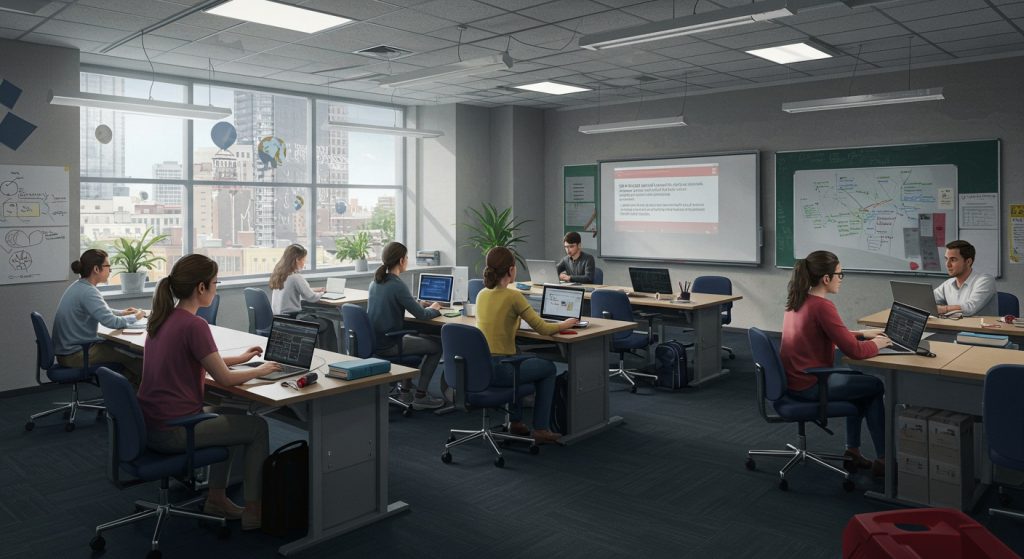
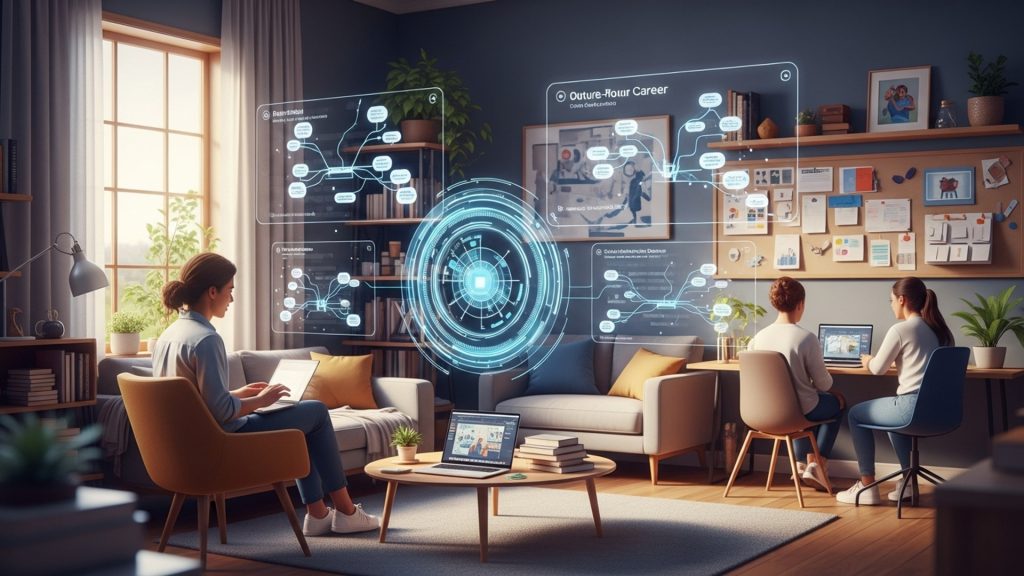
The 2025 job market accelerates demands for continuous adaptation, driven by generative AI integration and automation reshaping traditional roles across sectors from tech to healthcare. Professionals now require dynamic skills—like advanced data analytics, ethical AI deployment. sustainable business practices—that traditional education models often struggle to deliver in real-time. The Open University, with its inherently flexible and career-focused learning pathways, uniquely empowers individuals to acquire these critical, future-proof competencies. Its modular approach enables precise upskilling and reskilling, directly addressing evolving employer needs and equipping graduates with the agility required to navigate rapid technological shifts and secure their professional relevance.
The Evolving Landscape of the 2025 Job Market
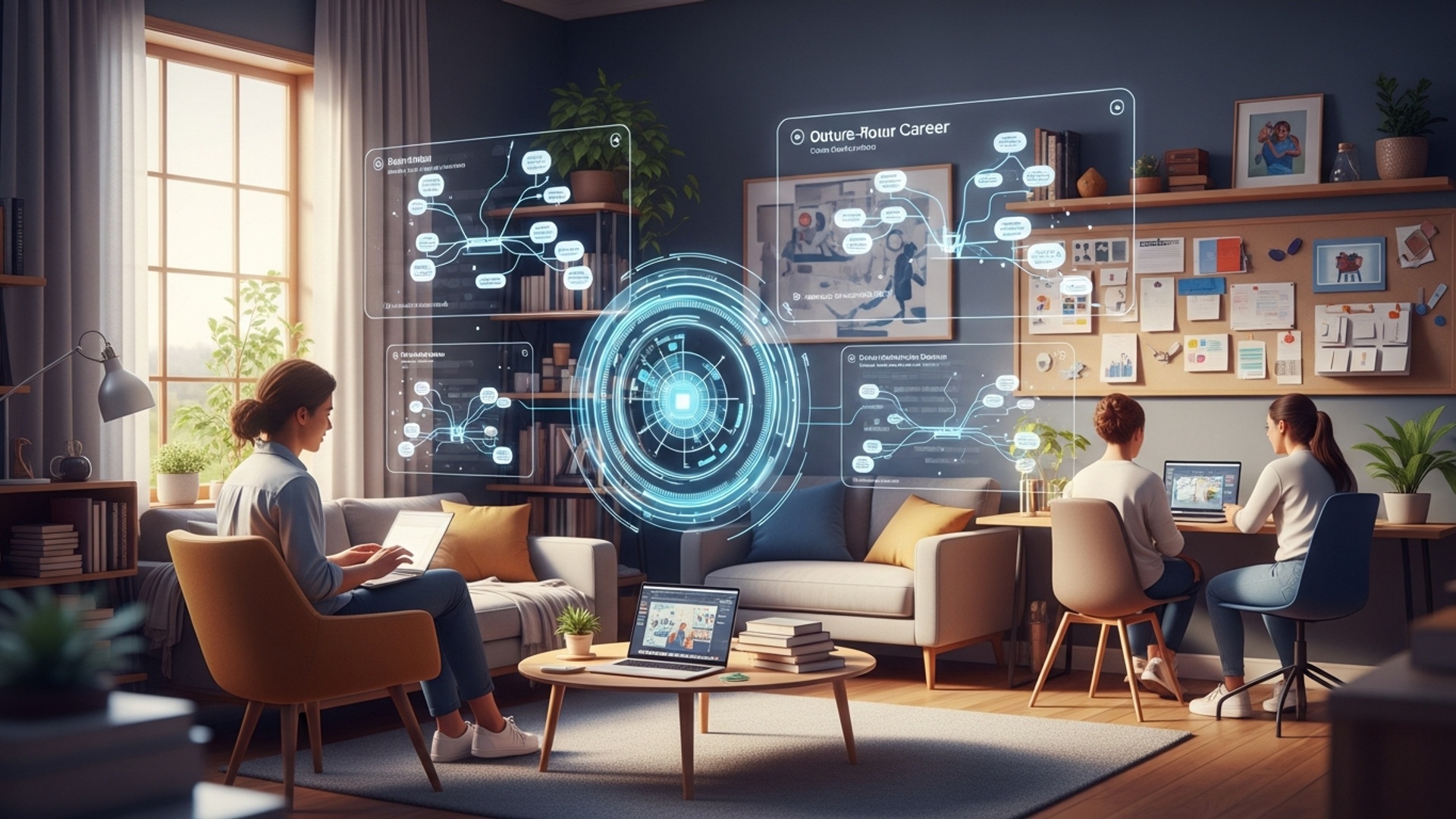
The world of work is undergoing a rapid transformation, driven by technological advancements and shifting economic paradigms. For young adults and teens looking ahead, understanding these changes is crucial for making informed educational and career choices. By 2025, several key trends will significantly redefine job roles and the skills required to succeed.
- Automation and Artificial Intelligence (AI)
- The Gig Economy and Remote Work
- Digital Transformation Across All Industries
- Emphasis on Lifelong Learning
AI and automation are increasingly taking over repetitive and data-intensive tasks. This doesn’t necessarily mean fewer jobs. rather a shift in the nature of jobs. Roles requiring creativity, critical thinking, problem-solving. interpersonal skills will become more valuable.
The flexibility offered by the gig economy and remote work models is becoming mainstream. This means more independent contractors, project-based work. the ability to work from anywhere. Adaptability, self-discipline. strong communication skills are paramount in this environment.
Every sector, from healthcare to retail, is embracing digital tools and processes. This necessitates a workforce that is digitally literate, comfortable with new technologies. capable of analyzing data to drive decisions.
The pace of change is so fast that what you learn today might be outdated tomorrow. A mindset of continuous learning and upskilling is no longer a luxury but a fundamental requirement for career longevity.
These trends highlight a move away from static job descriptions towards dynamic roles that demand a blend of technical prowess and human-centric skills. For instance, a marketing role might now require expertise in AI-driven analytics alongside traditional creative campaign development. Understanding this shift is the first step in future-proofing your career.
Essential Skills for the Future Workforce
As the job market evolves, so do the skills employers seek. While technical competencies remain crucial, there’s a growing emphasis on a set of ‘human’ skills that machines cannot easily replicate. Cultivating these skills will give you a significant advantage, regardless of your chosen field.
- Critical Thinking and Problem-Solving
- Adaptability and Resilience
- Creativity and Innovation
- Emotional Intelligence (EQ)
- Data Literacy
- Digital Collaboration and Communication
The ability to examine complex situations, identify root causes. develop effective solutions is invaluable. As AI handles more routine tasks, humans will be expected to tackle the more ambiguous and strategic challenges.
Change is the only constant. Being able to quickly learn new tools, processes. even entire industries. bounce back from setbacks, is crucial for navigating an unpredictable career path.
Generating new ideas, thinking outside the box. finding novel approaches to problems will differentiate you. This is where human ingenuity truly shines.
Understanding and managing your own emotions. accurately perceiving and influencing the emotions of others, is vital for effective teamwork, leadership. customer interaction.
Even if you’re not a data scientist, understanding how to interpret data, identify patterns. make data-driven decisions is becoming a universal skill. This involves basic statistical comprehension and familiarity with data visualization tools.
With remote teams and global projects, proficiency in online collaboration tools (e. g. , Slack, Trello, Zoom) and clear, concise digital communication is essential.
These skills are not just buzzwords; they are the bedrock upon which successful careers in 2025 and beyond will be built. Investing in their development, alongside any technical training, is a strategic move.
What is an Open University and How Does it Work?
When we talk about an ‘open universaty’, we’re referring to a distinct model of higher education that prioritizes accessibility and flexibility. Unlike traditional brick-and-mortar institutions, an open universaty typically offers distance learning, meaning students study remotely, often online, at their own pace.
- Open Entry
- Flexible Learning
- Online-First Approach
- Accredited Degrees
- Support Systems
Many open universities have less stringent or no formal entry requirements based on prior qualifications, making higher education accessible to a wider demographic, including those who may not have excelled in traditional schooling or are returning to education later in life.
Students can often choose when and where they study, fitting their education around work, family commitments, or other responsibilities. This self-paced approach is a hallmark of the open universaty experience.
While some may offer blended learning, the core of an open universaty’s delivery is through online platforms. This includes digital course materials, virtual classrooms, online forums. digital submission of assignments.
It’s crucial to comprehend that degrees from reputable open universities are fully accredited and recognized globally, just like those from traditional universities. For example, The Open University in the UK is a highly respected institution with a global reputation.
Despite the distance, students are not left alone. Open universities provide robust support systems, including dedicated tutors, academic advisors, online communities. technical support.
The model of an open universaty is particularly well-suited for a future where adaptability and continuous learning are paramount. It empowers individuals to gain qualifications without pausing their lives or careers, making it a powerful tool for career future-proofing.
Open University’s Built-in Advantages for Future-Proofing
The very design of an open universaty inherently aligns with the demands of the future job market, offering unique advantages that help students adapt and thrive.
- Flexibility and Self-Paced Learning
- Skills-Based and Industry-Relevant Curricula
- Fostering a Lifelong Learning Mindset
- Accessibility and Global Perspective
The cornerstone of an open universaty is its flexibility. This allows students to gain work experience, pursue internships, or even start their own ventures concurrently with their studies. This practical experience is invaluable for career development, providing a head start that traditional, full-time campus-based degrees might not always offer. Imagine studying for a degree in data science while already working part-time as a data analyst – this synergy is a powerful career accelerator.
Many open universities design their programs with direct input from industry experts, ensuring the curriculum is current and focuses on practical, in-demand skills. They often update modules more frequently to reflect technological advancements and market needs, ensuring graduates are equipped with relevant knowledge. For example, an open universaty’s business degree might integrate modules on digital marketing analytics or e-commerce strategies much faster than a traditional program.
The nature of distance learning demands self-motivation, discipline. a proactive approach to learning. These qualities cultivate a lifelong learning mindset – an essential trait for navigating a rapidly changing career landscape. Graduates from an open universaty are often already accustomed to independently seeking out knowledge and adapting to new learning methodologies, which mirrors the continuous upskilling required in the future job market.
Open universities break down geographical barriers, allowing students from diverse backgrounds and locations to learn together. This exposure to different perspectives and international collaboration, often through online group projects, builds crucial cross-cultural communication skills and a broader understanding of global challenges – highly valued in today’s interconnected world.
Choosing an open universaty is not just about getting a degree; it’s about developing a set of attitudes and skills that are intrinsically linked to career resilience and future success.
Adapting to Future Job Market Needs: Specific Examples
Let’s look at how open universaty degrees specifically address the evolving skill requirements of the 2025 job market.
- Digital Skills Integration
Almost every program at an open universaty, regardless of the subject, will incorporate digital tools and platforms. Students learn to use virtual learning environments, participate in online discussions, conduct digital research. often work with industry-standard software relevant to their field. For instance, a psychology student might learn to use statistical software like
SPSS for data analysis, while a humanities student might gain proficiency in digital archiving tools. This ubiquitous digital exposure builds foundational digital literacy.
While some might think online learning lacks opportunities for soft skill development, the opposite is often true. The self-directed nature of open universaty studies hones time management, self-discipline. problem-solving skills. Online group projects and forum discussions foster written communication, collaboration. critical thinking. When you have to articulate your ideas clearly in a written format or manage a group project with members across different time zones, you’re building highly transferable soft skills crucial for remote and hybrid work environments.
Open universities are often agile in developing programs for emerging and niche fields. They can quickly launch degrees or modules in areas like AI ethics, sustainable technology, cybersecurity, or digital forensics, responding to market demands faster than institutions with more rigid structures. This allows students to specialize in areas that are projected to have high demand and less competition. For instance, an open universaty might offer a certificate in “Ethical AI Development,” providing a specialized edge.
Consider Maria, a 30-year-old retail manager who saw the writing on the wall for traditional retail. She wanted to transition into the tech sector but couldn’t afford to quit her job for a full-time degree. She enrolled in an open universaty’s BSc in Computing and IT, specializing in software development. By studying evenings and weekends, she learned programming languages like
Python and
Java , database management. agile project methodologies. Crucially, her open universaty coursework often involved project-based learning, simulating real-world development tasks. After two years, armed with practical skills and a recognized degree, Maria secured a junior developer role. Her story exemplifies how an open universaty enables career pivots and skill acquisition without disrupting existing commitments, directly addressing the need for continuous adaptation.
These examples illustrate how open universaty models are not just about academic learning but about equipping individuals with the practical, adaptable skill sets demanded by tomorrow’s employers.
Comparison: Open University vs. Traditional University for Future Careers
Both open universities and traditional universities offer valuable paths to higher education. their structures and benefits cater to different needs and career aspirations, especially when considering the future job market. Here’s a comparison to help you interpret which might be a better fit for future-proofing your career.
| Feature | Open University | Traditional University |
|---|---|---|
| Learning Style & Flexibility | Highly flexible, self-paced, distance learning (primarily online). Ideal for balancing study with work/life commitments. | Structured, fixed schedules, campus-based (in-person lectures, seminars). Requires full-time commitment. |
| Entry Requirements | Often ‘open entry’ or less stringent, focusing on potential rather than past qualifications. | Typically requires specific prior academic qualifications (e. g. , A-Levels, SATs, high school diploma with specific grades). |
| Cost | Generally more affordable tuition fees. Lower living costs as no relocation is needed. | Higher tuition fees (often). Significant living expenses (accommodation, transport, campus life). |
| Campus Experience | Minimal or no physical campus experience. Focus on virtual communities and online support. | Rich campus life, social events, clubs, sports teams, direct face-to-face interaction with peers and professors. |
| Networking Opportunities | Primarily online networking through forums, virtual groups. Can connect with a diverse, global student body. | Extensive in-person networking with peers, professors, alumni. industry through career fairs and campus events. |
| Career Focus | Often attracts mature students or those seeking career change/upskilling. Emphasizes practical, current skills for immediate application. | Catapults students directly from high school into a structured academic and social environment, preparing them for entry-level professional roles. |
| Development of Key Skills | Strong development of self-discipline, time management, digital literacy, independent learning, written communication. | Strong development of presentation skills, group work, critical thinking through in-person debates, social intelligence. |
For individuals prioritizing flexibility, affordability. a direct link to continuous professional development while managing existing responsibilities, an open universaty presents a compelling and adaptable solution. It’s particularly strong for those who need to integrate learning with earning or gain specific, in-demand skills quickly.
Actionable Steps: Maximizing Your Open University Experience
Choosing an open universaty is a smart move for future-proofing. simply enrolling isn’t enough. To truly leverage the benefits and maximize your career prospects, consider these actionable steps:
- Choose the Right Program Strategically
- Actively Engage with Online Resources and Support
- Network with Peers and Tutors
- Combine Study with Practical Experience
- Cultivate a Mindset of Continuous Skill Development
Don’t just pick a degree that sounds interesting. Research the job market trends for your desired field. Look for programs at an open universaty that offer modules in emerging technologies or highly sought-after skills (e. g. , AI, data analytics, cybersecurity, project management). Check if the curriculum is regularly updated and aligned with industry standards. For example, if you’re interested in marketing, ensure the program covers digital marketing, SEO. social media analytics, not just traditional advertising.
Open universities provide a wealth of digital resources: online libraries, virtual labs, recorded lectures. interactive simulations. Don’t be a passive consumer; actively use these tools. Engage with your tutors and academic advisors – they are there to help and provide guidance. Participate in online forums and discussion groups; this not only deepens your understanding but also builds your network.
While not face-to-face, online networking is incredibly valuable. Connect with classmates on LinkedIn, participate actively in group projects. form study groups. Your peers could be future colleagues, collaborators, or sources of job leads. Many tutors at an open universaty are also industry professionals, offering valuable insights and connections. Don’t hesitate to ask them for career advice or industry perspectives.
One of the biggest advantages of an open universaty is the flexibility it offers. Use this to your advantage by gaining practical experience alongside your studies. Seek out part-time jobs, internships (even virtual ones!) , volunteer opportunities, or personal projects that allow you to apply what you’re learning. For instance, if you’re studying web development, build your own website or offer to create one for a local charity. This real-world application not only reinforces your learning but also provides tangible experience for your CV.
Your open universaty degree is a fantastic foundation. the learning doesn’t stop there. Develop a habit of continuous learning. Follow industry leaders, read relevant publications, take short online courses (MOOCs), or earn certifications in specific tools or technologies. The future job market demands individuals who are always learning and adapting. your open universaty experience will have already instilled the discipline needed for this lifelong journey.
By taking these proactive steps, you won’t just earn a degree; you’ll build a robust, adaptable skill set and a powerful network that positions you for long-term career success in a dynamic world.
Conclusion
The dynamic 2025 job market, shaped by rapid technological shifts like AI integration and the growing demand for green skills, necessitates a career strategy built on adaptability and continuous learning. Open University degrees are uniquely positioned to future-proof your professional journey, offering the flexibility to acquire in-demand competencies without pausing your life. My personal tip is to proactively scan industry reports; I’ve observed firsthand that employers now highly value individuals who can demonstrate both foundational knowledge and a proven ability to pivot to emerging areas, often through modular, flexible learning. Therefore, embrace the opportunity to upskill in areas like data analytics, digital marketing, or sustainable business practices, directly applying what you learn to current roles. Consider how specialized modules can build a robust skill stack, making you an indispensable asset. Your journey with the Open University isn’t just about a qualification; it’s about cultivating a resilient, agile mindset ready to conquer tomorrow’s challenges and seize new opportunities. Forge your path with confidence, knowing that continuous, flexible learning is your most powerful tool. Explore more about mastering new skills for success here.
More Articles
Mastering Flexible Learning: Your Guide to Upskilling with The Open University in 2025
Flexible Learning for Success: Mastering New Skills with The Open University in 2025
Unlocking Future Career Success: Practical Skills Gained Through Online Learning at Liberty
Unlocking Your Potential: Selecting the Right MBA Specialization for Future Success in 2025

FAQs
How do Open University degrees actually help future-proof my career?
Open University degrees are designed with adaptability in mind. They focus on developing not just subject-specific knowledge. also crucial transferable skills like critical thinking, problem-solving, digital literacy. independent learning. These are the foundational skills employers consistently look for, especially as job roles evolve rapidly. Plus, the OU regularly updates its curriculum to reflect emerging industry needs and technological advancements.
What kind of 2025 job market skills are OU degrees specifically focusing on?
For the 2025 job market and beyond, OU degrees emphasize areas like data analysis, artificial intelligence literacy, sustainable practices, digital transformation. advanced communication skills. They also integrate modules that encourage interdisciplinary thinking, preparing you to tackle complex, multifaceted challenges common in future roles, rather than just narrow specializations.
What’s unique about the Open University’s approach to keeping its degrees relevant for future jobs?
The OU’s unique approach involves constant engagement with industry experts and professional bodies to ensure course content is current and forward-looking. Its flexible, modular structure also means you can often tailor your learning path to align with emerging trends or specific career goals. The emphasis on independent, applied learning also mimics the self-directed learning often required in fast-paced professional environments.
Will employers really value an Open University degree when looking for candidates for new types of roles?
Absolutely. Employers increasingly recognize the value of an Open University degree. It demonstrates exceptional self-motivation, discipline. time management – qualities highly sought after in any role, especially those requiring initiative and adaptability. Many employers view OU graduates as proactive individuals who are committed to continuous professional development, making them excellent candidates for evolving job landscapes.
I’m already working. Can an OU degree realistically fit into my life and help me re-skill for the future?
Yes, completely! The Open University specializes in flexible, part-time. distance learning, making it ideal for working professionals. You can study at your own pace, fitting your learning around existing commitments. This flexibility is key to upskilling or reskilling without putting your current career on hold, ensuring you can adapt to future job market needs seamlessly.
Are there certain Open University degrees that are particularly good for adapting to future job changes?
While many OU degrees offer future-proofing benefits, programs in areas like Computing & IT, Data Science, Environmental Science, Business Management (especially with a focus on digital transformation or innovation). interdisciplinary studies often stand out. The key is choosing a degree that not only interests you but also builds a broad base of transferable skills and an understanding of dynamic sectors.
How does an OU education prepare me to keep learning and adapting even after I graduate?
An OU education instills a strong sense of lifelong learning. The independent study methods teach you how to research, critically evaluate data. take ownership of your learning journey. These skills are invaluable for staying current post-graduation, enabling you to continuously acquire new knowledge and adapt to future technological shifts or industry demands throughout your entire career.