
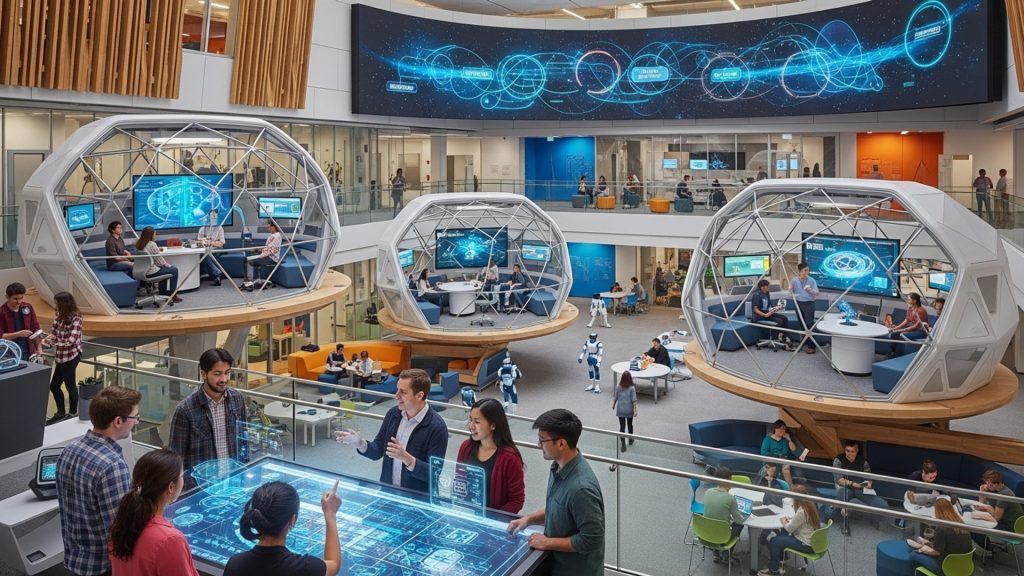
Stanford University’s innovation hub, a dynamic crucible for groundbreaking research, actively shapes the future by driving advancements in areas like AI-powered drug discovery and sustainable energy solutions. Researchers currently leverage foundational models for novel material science applications and explore quantum computing’s commercial viability, anticipating significant breakthroughs by 2025. This ecosystem fosters unparalleled opportunities, connecting interdisciplinary teams with venture capital to accelerate the transition of cutting-edge concepts from laboratory prototypes into real-world impact, cementing Stanford University’s role as a global innovation epicenter.
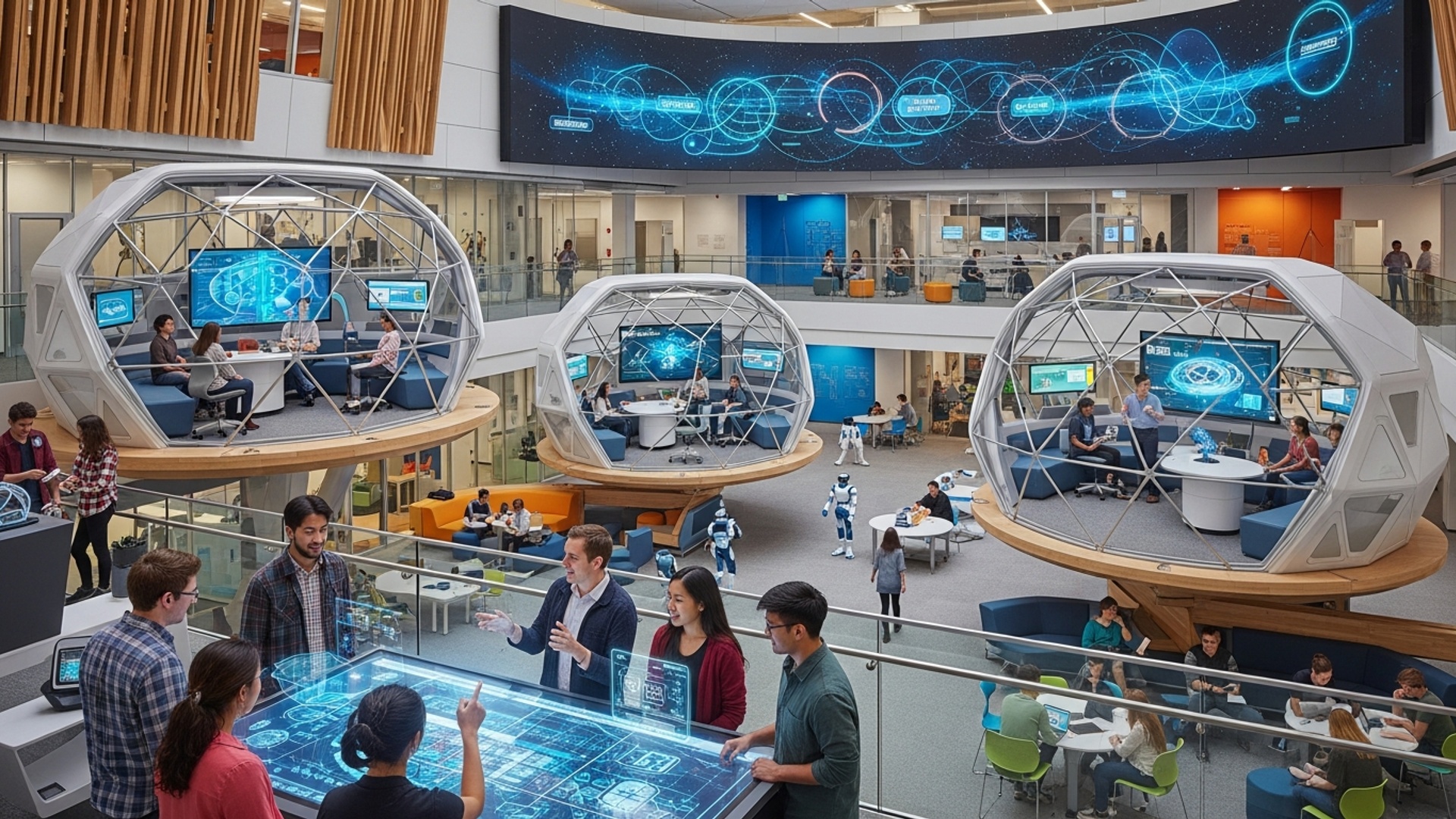
The Heart of Innovation: Stanford University’s Unique Ecosystem
Ever wondered where groundbreaking ideas truly come to life, shaping the future we live in? Look no further than Stanford University. Nestled in the heart of Silicon Valley, Stanford isn’t just a world-renowned academic institution; it’s a vibrant innovation ecosystem, a place where curiosity meets cutting-edge technology and entrepreneurial spirit. For decades, this university has been a crucible for transformative research, pioneering startups. world-changing discoveries. From the very early days of computing to the latest breakthroughs in AI and biotechnology, Stanford University has consistently been at the forefront, fostering a unique culture that encourages risk-taking, collaboration. the relentless pursuit of knowledge. It’s a place where students, researchers. faculty are not just learning and teaching. actively building the future.
What Exactly Is an Innovation Hub? Unpacking the Concept
When we talk about Stanford University as an “innovation hub,” what does that actually mean? Think of an innovation hub as a dynamic environment designed to accelerate the creation, development. commercialization of new ideas, technologies. businesses. It’s more than just a collection of labs; it’s a comprehensive support system. Here are the key elements:
- Interdisciplinary Collaboration: An innovation hub thrives on bringing together experts from different fields—engineers working with doctors, artists collaborating with computer scientists, business strategists partnering with environmental scientists. This cross-pollination of ideas often leads to the most novel solutions.
- Cutting-Edge Research: It’s the engine room where fundamental and applied research pushes the boundaries of what’s possible. This research isn’t just theoretical; it’s often geared towards solving real-world problems.
- Entrepreneurial Support: Beyond just ideas, an innovation hub provides resources for turning those ideas into viable ventures. This includes mentorship, access to funding, legal advice. business development guidance.
- Talent Pool: A concentration of brilliant minds—students, faculty. industry professionals—who are eager to learn, create. innovate.
- Access to Resources: State-of-the-art laboratories, specialized equipment, computing power. vast informational resources are readily available to foster experimentation and development.
At Stanford University, this concept is embodied in numerous centers, institutes. programs that collectively create an unparalleled environment for innovation.
Glimpse into Tomorrow: Cutting-Edge Research at Stanford University for 2025
As we approach 2025, Stanford University continues to lead the charge in several critical fields that promise to redefine our world. Here’s a look at some of the key areas where Stanford researchers are making significant strides:
- Artificial Intelligence (AI) and Machine Learning (ML):
- Definition: AI refers to the simulation of human intelligence in machines, enabling them to learn, problem-solve. interpret. ML is a subset of AI that allows systems to learn from data without explicit programming.
- Stanford’s Focus: Researchers at the Stanford Institute for Human-Centered AI (HAI) are not just developing more powerful AI algorithms. also focusing on ethical AI, ensuring these technologies benefit humanity responsibly. For 2025, expect advancements in personalized medicine through AI diagnostics, more intuitive human-robot interaction. AI models that can better comprehend and generate complex language.
- Real-World Application: Imagine AI systems that can predict disease outbreaks with higher accuracy, or personalized learning platforms that adapt to each student’s unique needs, revolutionizing education.
- Biotechnology and Health Tech:
- Definition: Biotechnology uses biological systems, living organisms, or derivatives thereof, to make or modify products or processes for a specific use. Health Tech involves the application of technology to improve healthcare delivery, diagnostics. treatment.
- Stanford’s Focus: The Department of Bioengineering and the Stanford School of Medicine are at the forefront of gene editing technologies (like CRISPR), developing novel drug delivery systems, creating advanced prosthetics. exploring regenerative medicine. By 2025, we could see personalized cancer therapies tailored to an individual’s genetic makeup becoming more widespread, or innovative wearable devices that continuously monitor health with unprecedented precision.
- Real-World Application: New treatments for previously incurable diseases, miniature diagnostic tools that can be used at home. bio-printed organs for transplantation.
- Sustainability and Climate Solutions:
- Definition: This field focuses on developing technologies and strategies to meet the needs of the present without compromising the ability of future generations to meet their own needs, particularly concerning environmental protection and resource management.
- Stanford’s Focus: The newly established Stanford Doerr School of Sustainability is a hub for research into renewable energy, carbon capture technologies, sustainable agriculture. climate modeling. For 2025, look for breakthroughs in more efficient solar energy conversion, advanced battery storage solutions. data-driven approaches to optimize resource use in urban environments.
- Real-World Application: Affordable and abundant clean energy, systems that remove carbon dioxide directly from the atmosphere. smart cities designed for minimal environmental impact.
- Robotics and Autonomous Systems:
- Definition: Robotics is the design, construction, operation. use of robots. Autonomous systems are those that can perform tasks with high degrees of independence, often without human intervention.
- Stanford’s Focus: The Stanford Robotics Center is advancing everything from surgical robots to self-driving cars and drone technology. In 2025, expect to see more sophisticated robots capable of navigating complex, unstructured environments, collaborating with humans more effectively. performing delicate tasks in fields like manufacturing and healthcare.
- Real-World Application: Robots assisting in elder care, autonomous vehicles making transportation safer and more efficient. drones delivering aid to remote areas.
The Innovation Engine: How Stanford University Cultivates Groundbreaking Ideas
The success of Stanford University as an innovation powerhouse isn’t accidental; it’s the result of a deliberate and robust ecosystem designed to nurture ideas from concept to impact. Several key mechanisms contribute to this:
- Interdisciplinary Approach: Stanford actively encourages collaboration across its seven schools (Business, Earth/Energy/Environmental Sciences, Education, Engineering, Humanities and Sciences, Law. Medicine). For instance, an engineering student might work with a medical researcher to develop a new diagnostic tool, or a computer scientist might team up with a psychology major to design more user-friendly AI. This blending of perspectives is crucial for holistic problem-solving.
- Incubators and Accelerators: Stanford provides direct support for startups through various programs. A prime example is StartX, an independent non-profit accelerator for Stanford entrepreneurs. StartX provides mentorship, educational resources. a network of investors and industry leaders to help student and faculty-led startups get off the ground. These programs are vital for translating academic research into commercial products and services.
- Access to Funding and Mentorship: Beyond accelerators, various centers like the TomKat Center for Sustainable Energy offer grants and funding opportunities specifically for student and faculty projects. Crucially, innovators at Stanford gain access to a vast network of experienced mentors—alumni who are titans of industry, venture capitalists. seasoned entrepreneurs—who provide invaluable guidance.
- Cutting-Edge Facilities and Labs: From advanced nanotechnology cleanrooms to state-of-the-art bio-labs and high-performance computing clusters, Stanford University invests heavily in providing researchers with the best tools available. These facilities are often shared, fostering a collaborative spirit and maximizing resource utilization.
Your Path to Innovation: Opportunities at Stanford University and Beyond
Even if you’re not a student at Stanford University right now, there are incredible opportunities for young, aspiring innovators like you to engage with this vibrant ecosystem and cultivate your own skills. Stanford’s commitment to education extends beyond its campus walls, offering pathways for everyone to learn and contribute:
- Explore Online Learning: Stanford offers a wealth of free and paid online courses through platforms like Stanford Online and Coursera. You can delve into subjects like “Machine Learning,” “Algorithms,” “Introduction to Databases,” or “Computational Social Science” taught by Stanford faculty. This is a fantastic way to gain foundational knowledge in cutting-edge fields.
- Undergraduate and Graduate Research Programs: For those considering higher education, Stanford University offers numerous research opportunities for both undergraduate and graduate students across all disciplines. Programs like the Undergraduate Research Opportunities (URO) give students hands-on experience working alongside faculty on real research projects, often leading to publications or presentations.
- Internships and Fellowships: Many labs, research centers. even startups within the Stanford ecosystem offer internships. Keep an eye on departmental websites and career portals. These experiences provide invaluable practical skills and networking opportunities.
- Entrepreneurial Programs and Competitions: Even if you’re not enrolled, many university-affiliated hackathons and pitch competitions are open to the wider public or specific student groups. These events are perfect for developing an idea, forming a team. getting feedback from experts. Stanford’s Hasso Plattner Institute of Design (d. school), for example, offers various workshops and programs focused on design thinking and innovation that can inspire and equip you.
- Student Organizations and Clubs: For future Stanford students, joining student-led innovation clubs (e. g. , AI clubs, robotics teams, entrepreneurship societies) is a direct way to connect with like-minded peers, work on projects. learn from older students.
The actionable takeaway here is to proactively seek out learning opportunities, whether online or in person. Start building projects, join relevant communities. immerse yourself in the areas of technology and innovation that excite you most. The spirit of Stanford University‘s innovation hub is about continuous learning and creation.
Impact Stories: Stanford University’s Innovations Shaping Our World
The legacy of innovation at Stanford University is visible everywhere, from the technology in your pocket to the medicines that save lives. Here are a few examples of how Stanford-born ideas have made a profound impact:
- Google: Perhaps the most famous example, Google was founded by Larry Page and Sergey Brin while they were Ph. D. students at Stanford in 1998. Their groundbreaking search algorithm, developed during their time at Stanford, revolutionized how we access data online.
- Hewlett-Packard (HP): William Hewlett and David Packard, both Stanford alumni, founded HP in a Palo Alto garage in 1939. Their early work in electronics laid the foundation for Silicon Valley itself, demonstrating the power of university-trained engineers to drive technological progress.
- Stanford Research Institute (SRI International): While now independent, SRI originated at Stanford University in 1946. It played a crucial role in developing technologies like the computer mouse, hypertext. the internet (ARPANET).
- CRISPR Gene Editing Technology: While developed by multiple institutions, Stanford researchers, including Jennifer Doudna (a Stanford alumna and Nobel laureate), have been instrumental in advancing and applying CRISPR technology, which allows scientists to precisely edit DNA. This has immense potential for treating genetic diseases.
- StartX Companies: Numerous successful startups have emerged from StartX, the Stanford-affiliated accelerator. These include companies in diverse sectors like healthcare (e. g. , Color Genomics, which provides genetic testing), education technology. sustainable energy, showcasing the continuous stream of innovation.
These examples illustrate a core aspect of Stanford University‘s impact: translating cutting-edge research and entrepreneurial drive into tangible solutions that improve lives globally.
Future Forward: Stanford University’s Vision for 2025 and Beyond
As we look towards 2025 and beyond, Stanford University is not resting on its laurels. The innovation hub continues to evolve, constantly adapting to new challenges and opportunities. The focus remains on addressing some of humanity’s most pressing issues:
- Human-Centric Technology: A growing emphasis on ensuring that technological advancements, particularly in AI and automation, are developed with human well-being and ethical considerations at their core. This includes research into bias in algorithms and creating inclusive technologies.
- Global Health Equity: Leveraging biotechnology and data science to tackle health disparities worldwide, making advanced medical care and diagnostics accessible to more people.
- Planetary Stewardship: The new Doerr School of Sustainability signals a massive commitment to finding scalable solutions for climate change, biodiversity loss. resource scarcity, integrating technology, policy. human behavior.
- Interdisciplinary Convergence: Expect even more blurring of lines between traditional academic fields. For instance, neuroscientists collaborating with AI experts to interpret the human brain, or artists using virtual reality to create immersive educational experiences.
Stanford University‘s innovation hub is a testament to the idea that by fostering intellectual curiosity, supporting bold ideas. encouraging collaboration, we can collectively build a brighter, more sustainable. technologically advanced future for everyone. The opportunities emerging from this dynamic environment in 2025 will undoubtedly continue to shape our world in profound ways.
Conclusion
Stanford’s Innovation Hub isn’t merely a collection of labs; it’s a dynamic ecosystem where breakthroughs, like recent strides in personalized medicine through AI diagnostics, are forged daily. My own observation during a virtual seminar on autonomous systems highlighted how collaborative energy here propels research beyond conventional boundaries, pushing towards practical applications by 2025. It’s about seeing the problem, not just the technology. To truly leverage these insights, my personal tip is to cultivate an “interdisciplinary curiosity.” Don’t just follow your niche; actively seek how advancements, say, in advanced materials science could revolutionize robotics, a current trend dominating discussions. This means engaging diverse perspectives, perhaps even attending open lectures. The practical value lies in anticipating future needs, much like Stanford pioneering sustainable energy solutions through novel battery technologies, ensuring relevance in a rapidly evolving world. For more on ethical considerations in such cutting-edge fields, explore Columbia University’s Approach to Ethical AI. So, as you look towards 2025 and beyond, remember that innovation isn’t passive; it’s an active pursuit. Embrace inquiry, seek connections. dare to imagine solutions that seem impossible today. The future is being built, brick by brilliant brick, within these hubs. your involvement, But small, can contribute to its grand design.
More Articles
Innovating for Tomorrow: How UCL Research Shapes Global Sustainable Solutions in 2025
Mastering Flexible Learning: Your Guide to Upskilling with The Open University in 2025
Unlocking Future Career Success: Practical Skills Gained Through Online Learning at Liberty
Unlocking Your Potential: Selecting the Right MBA Specialization for Future Success in 2025

FAQs
What exactly is Stanford’s Innovation Hub all about?
Stanford’s Innovation Hub is a dynamic ecosystem dedicated to fostering groundbreaking research, interdisciplinary collaboration. the development of transformative technologies. It brings together faculty, students. industry partners to tackle complex challenges and drive innovation across various fields, with a strong focus on impact.
What kind of cutting-edge research can we expect to see coming out of the Hub in 2025?
For 2025, the Hub is heavily invested in areas like advanced AI and machine learning applications for societal benefit, sustainable energy solutions, personalized medicine, quantum computing advancements. robotics for challenging environments. Expect breakthroughs that bridge theoretical research with practical, real-world applications.
Are there opportunities for students, both undergraduate and graduate, to get involved with the Hub’s projects?
Absolutely! The Hub offers numerous opportunities for students, including research assistantships, internships with partner companies and startups, capstone projects. participation in innovation challenges. These experiences provide hands-on involvement with cutting-edge research and direct mentorship from leading experts.
How does the Innovation Hub collaborate with external organizations or industry partners?
Collaboration is central to the Hub’s mission. We actively partner with corporations, startups, government agencies. non-profits through sponsored research projects, joint ventures, technology licensing. executive education programs. These partnerships accelerate innovation and ensure research has a tangible impact beyond the campus.
What makes Stanford’s approach to innovation different from other universities or research centers?
Stanford’s Hub distinguishes itself through its deep-rooted culture of entrepreneurship, its strong interdisciplinary focus that breaks down departmental silos. its unique proximity to Silicon Valley’s vibrant tech ecosystem. We emphasize moving research from lab to market quickly, fostering a unique blend of academic rigor and practical application.
Will the Hub be hosting any public events, seminars, or workshops in 2025 that people outside Stanford can attend?
Yes, definitely! The Hub regularly hosts a variety of public-facing events, including innovation forums, tech showcases, speaker series featuring industry leaders. hands-on workshops on emerging technologies. Keep an eye on the official Stanford events calendar or the Hub’s specific communication channels for updates on 2025 programming.
What are some of the key long-term goals the Innovation Hub is aiming for in the coming years?
Looking ahead, the Hub aims to solidify its position as a global leader in AI ethics and governance, accelerate breakthroughs in climate tech, revolutionize healthcare delivery through digital innovation. cultivate the next generation of diverse, impact-driven innovators who can address pressing global challenges with creative solutions.