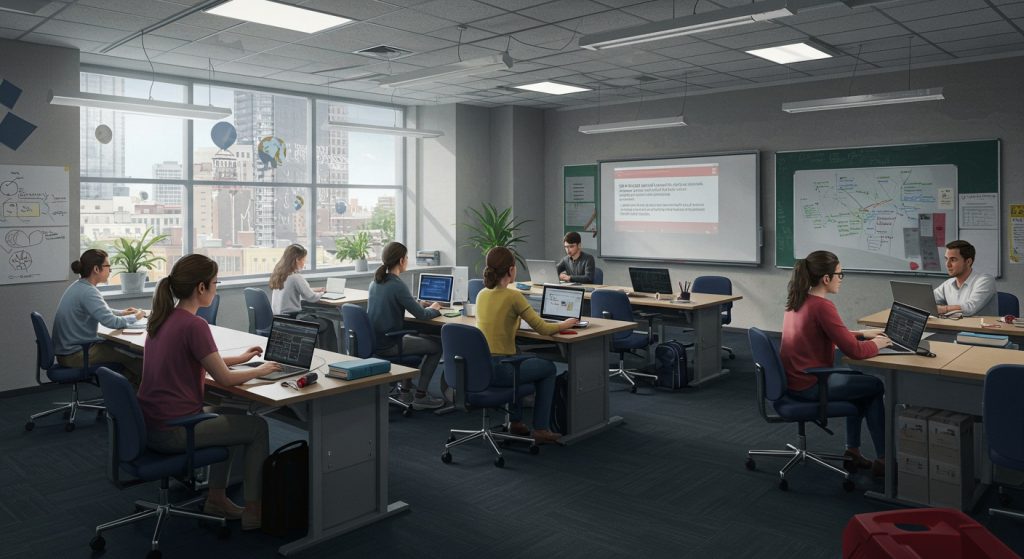
The digital revolution has fundamentally reshaped education, making flexible learning not just a convenience but a global imperative for continuous upskilling and lifelong development. Pioneering this paradigm shift since its inception, the Open University continues to redefine educational accessibility, breaking down traditional barriers of geography, time. prior qualifications. Its robust online infrastructure and commitment to open educational resources empower millions worldwide, from professionals seeking new credentials to individuals in underserved regions accessing higher education for the first time. This innovative model demonstrates how a dedicated open university can democratize knowledge, fostering inclusive futures for diverse learners across the globe.
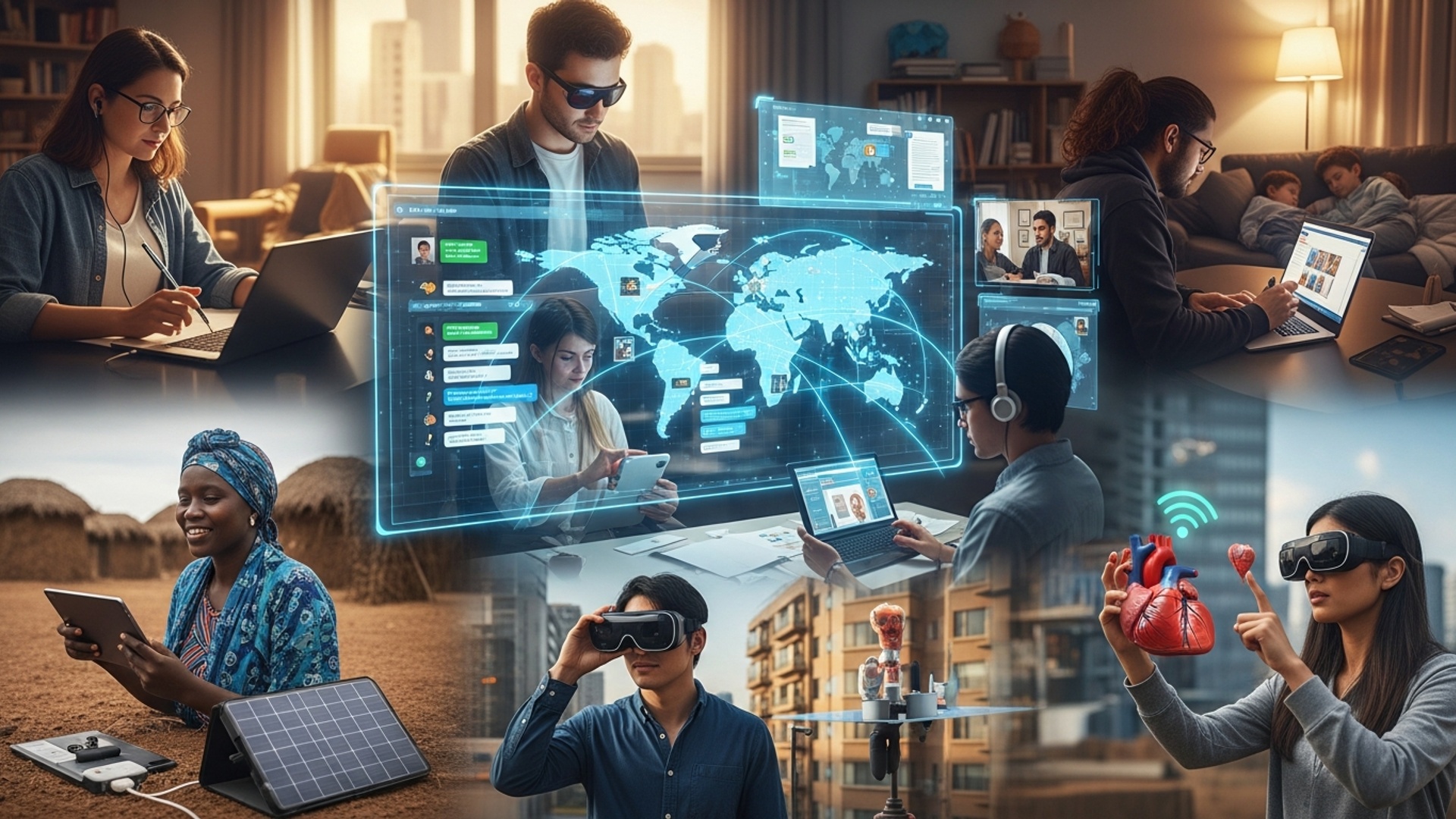
The Shifting Sands of Education: Embracing Flexibility
Remember when school meant showing up to a physical classroom every single weekday? For many generations, that was the only way to get an education. But guess what? The world is changing. so is learning! We’re living in an era where “flexible learning” isn’t just a buzzword; it’s a game-changer, especially for young people like you who are navigating a fast-paced world.
So, what exactly is flexible learning? Imagine an education system that bends to fit your life, not the other way around. It means you can study when you want, where you want. often at your own pace. This approach is becoming crucial because it empowers individuals to pursue their dreams, whether they’re balancing a job, caring for family, living in a remote area, or simply needing a different style of learning than traditional classrooms offer. It’s about making education accessible to everyone, no matter their circumstances.
The Open University: A Trailblazer in Accessible Education
If you’re thinking about flexible learning, one institution stands out globally as a pioneer: The Open University (OU). Founded in the UK in 1969, the OU was established with a revolutionary mission: to be ‘open to people, open to places, open to methods. open to ideas.’ It was designed specifically for distance learning, meaning students could study from home, fitting their education around their existing lives. This visionary approach meant that quality higher education was no longer confined to those who could attend a traditional campus full-time.
The Open University has spent decades refining its unique model, proving that academic excellence and flexibility can go hand-in-hand. It’s not just a university; it’s a movement that has shaped how we think about education accessibility worldwide. The impact of the open universaty model reaches far beyond its initial borders, inspiring similar institutions and approaches globally.
Unpacking the Open University’s Pillars of Accessibility
What makes The Open University so effective at making education accessible? It boils down to several core principles that remove common barriers to higher education:
- Distance Learning & Digital Platforms: The OU perfected the art of learning from anywhere. While they initially relied on postal services and television broadcasts, today’s open universaty experience is primarily digital. Students access a comprehensive Virtual Learning Environment (VLE) packed with course materials, e-books, interactive activities. online forums. Virtual tutorials and collaborative tools connect students with their tutors and peers, creating a vibrant online community that mirrors the interaction of a physical campus.
- Flexible Pacing and Part-Time Study: One of the biggest advantages is the ability to study at a pace that suits you. Most Open University courses are designed for part-time study, allowing students to spread their degree over a longer period, typically 6 years for a bachelor’s degree instead of 3. This flexibility is invaluable for those working full-time or managing other commitments. You control your study schedule, making it possible to integrate learning into a busy life.
- Open Entry Policy: Breaking Down Barriers: Perhaps the most radical aspect of The Open University is its open entry policy for most undergraduate courses. This means you don’t need specific prior qualifications, like A-levels or their equivalents, to get started. This policy is a huge win for anyone who didn’t get the chance to pursue higher education earlier in life, or for young adults who might not have thrived in a traditional academic setting but are eager to learn and prove themselves. It truly embodies the ‘open to people’ philosophy.
- Affordability and Financial Support: While higher education can be expensive, the open universaty often presents a more affordable pathway compared to many traditional universities, especially when considering the flexibility it offers. They provide various financial support options, including student loans, grants. payment plans, making it more manageable for students to invest in their future without upfront financial strain.
- Robust Support Systems: Studying remotely doesn’t mean studying alone. The Open University prides itself on its comprehensive support network. Every student is assigned a personal tutor who provides academic guidance, marks assignments. offers feedback. Beyond tutors, there are dedicated student support teams, disability services, career advisors. a thriving online student community where you can connect with peers, ask questions. share experiences.
Real Stories, Real Impact: Who Benefits from The Open University?
The impact of The Open University’s model is best understood through the lives it transforms. It’s not just theoretical; it’s practical and deeply personal:
- The Working Professional: Meet Sarah, 22. She landed a great entry-level job right after school but soon realized she needed a degree to advance. Full-time university wasn’t an option as she needed her income. The Open University allowed her to study a Business Management degree part-time in the evenings and weekends, without leaving her job. She’s now on track for a promotion, directly applying what she learns to her workplace.
- The Remote Learner: John, 19, lives in a rural area with limited access to traditional universities. He’s passionate about environmental science. The open universaty provided him with access to a specialist degree course he couldn’t have pursued locally, connecting him with leading experts and a global network of students from his home.
- The Second Chance Seeker: Emily, 20, struggled with the rigid structure of high school and didn’t achieve the grades for direct university entry. She thought higher education was closed off to her. Discovering The Open University’s open entry policy was a revelation. She started with an Access module, built her confidence. is now excelling in her Psychology degree, proving that a different learning path can unlock incredible potential.
- The Parent or Carer: Imagine someone managing family responsibilities. The flexibility of the open universaty means they can schedule their study around childcare, appointments, or other commitments, making higher education a realistic goal rather than an impossible dream.
These stories highlight how The Open University empowers individuals from diverse backgrounds to achieve their educational and career aspirations, often against odds that traditional education couldn’t accommodate. It’s an actionable pathway for anyone looking to upskill, reskill, or simply pursue a lifelong passion for learning.
The Tech Engine: Powering Flexible Learning at The Open University
At the heart of The Open University’s success is its sophisticated use of technology. This isn’t just about having a website; it’s about a carefully designed digital ecosystem that supports every aspect of flexible learning:
- Virtual Learning Environments (VLEs): The OU’s VLE is like a personalized digital campus. When you log in, you find your course materials, assignment deadlines, discussion forums. links to virtual tutorials. It’s intuitively designed to guide you through your studies.
- Rich Digital Resources: Forget just textbooks. The Open University provides a wealth of multimedia content, including video lectures, interactive simulations, podcasts. online journals. This diverse range of resources caters to different learning styles and makes complex topics more engaging and easier to comprehend.
- Online Collaboration Tools: Despite studying remotely, students are far from isolated. The OU utilizes tools for online forums, group projects. virtual classrooms (using platforms like Adobe Connect or Microsoft Teams). These tools facilitate interaction with tutors and fellow students, allowing for discussions, peer support. collaborative learning experiences.
- Accessibility Features: Crucially, the technology is built with accessibility in mind. Websites and course materials are designed to be compatible with screen readers, offer adjustable text sizes. provide captions for videos, ensuring that students with disabilities have equal access to learning opportunities.
This commitment to leveraging technology ensures that the open universaty experience is not just flexible. also rich, interactive. inclusive.
Flexible Learning: A Comparison Table
To help you interpret where The Open University fits into the broader education landscape, let’s compare it with traditional universities and MOOCs (Massive Open Online Courses):
| Feature | Traditional University (e. g. , Campus-based) | The Open University (OU) | MOOCs (e. g. , Coursera, edX) |
|---|---|---|---|
| Learning Model | Primarily on-campus, fixed schedule, face-to-face lectures/seminars. | Distance learning, online-first, flexible schedule, self-paced study. | Online-only, typically self-paced, varied structure. |
| Entry Requirements | Strict academic qualifications (e. g. , A-levels, SATs, specific grades). | Open entry for most undergraduate courses; no prior qualifications needed. | Generally open entry; some advanced courses may have prerequisites. |
| Cost | Often high tuition fees, living costs, accommodation. | More affordable tuition fees, no campus living costs. Various financial support. | Often free for audit, paid for certificates/specializations. |
| Accreditation/Recognition | Globally recognized degrees. | Globally recognized degrees, equivalent to traditional university degrees. | Certificates of completion, some for credit. generally not full degrees. |
| Support & Community | Extensive campus support, student unions, clubs, in-person peer interaction. | Dedicated personal tutors, online forums, student support services, virtual communities. | Limited personalized support, peer forums, often less structured community. |
| Ideal For | Recent school leavers, those seeking a traditional campus experience, specific research opportunities. | Working professionals, those balancing commitments, remote learners, second-chance learners, anyone seeking flexibility. | Quick skill acquisition, exploring new topics, professional development, supplementing existing degrees. |
As you can see, each option serves a different purpose. The open universaty stands out as a robust, accredited pathway for those who need flexibility and accessibility without compromising on the quality and recognition of their qualification.
Shaping Tomorrow’s Education: The Global Influence of The Open University
The Open University isn’t just a solution for today; it’s a blueprint for the future of education. Its groundbreaking model has had a profound influence, inspiring universities and governments worldwide to consider how they can make education more accessible and adaptable. Its success demonstrates that high-quality education doesn’t need to be confined to traditional structures or physical campuses.
In a world where careers are constantly evolving and lifelong learning is becoming a necessity, institutions like the open universaty are vital. They champion the idea that education should be a continuous journey, available to anyone, at any stage of life, regardless of their background or location. As technology advances and global challenges demand new skills, the flexible, inclusive approach pioneered by The Open University will continue to play a crucial role in shaping a more equitable and educated future for all.
Conclusion
The Open University stands as a testament to the transformative power of flexible learning, consistently dismantling traditional barriers to education worldwide. Its pioneering model, exemplified by supporting working professionals and parents to achieve degrees—like my friend who completed an engineering qualification while managing a full-time job—proves that quality higher education is attainable for everyone, regardless of circumstance. This approach is more vital than ever amidst current trends demanding lifelong learning and reskilling for evolving global economies. My personal tip is this: don’t wait for ideal conditions; proactively seek out educational pathways that fit your life. The OU’s continued innovation, from its extensive digital resources to its recent focus on micro-credentials for specific skill gaps, offers a powerful blueprint for other institutions and a clear call to action for aspiring learners. Embrace this accessibility to shape your future, knowing that flexible learning isn’t just a convenience—it’s a profound commitment to equity and personal empowerment.
More Articles
Master Your Future: How Liberty University’s Online Programs Prepare You for 2025 Careers
Building Futures Online: Liberty University’s Approach to Faith-Based Education and Career Growth
Beyond the Resume: Unlocking Real-World Leadership Skills with a Management Degree in 2025
Finding Your Perfect Fit: How to Choose the Best UK University Course

FAQs
What’s the big deal about The Open University?
The Open University is a pioneer in flexible distance learning, making higher education accessible to millions worldwide for over 50 years. It broke down traditional barriers, allowing people to study for degrees and qualifications regardless of their location, background, or prior qualifications.
How does the OU actually make education more accessible for people globally?
It achieves this through its unique flexible learning model. Students can study online from anywhere, often part-time, fitting their studies around work, family, or other commitments. Most undergraduate courses have no formal entry requirements, truly opening doors to higher education.
So, what does ‘flexible learning’ really entail when you’re studying with The Open University?
‘Flexible learning’ with the OU means you set your own pace and schedule to a large extent. You get comprehensive learning materials, access to online forums. support from a dedicated tutor. You study when and where it suits you, allowing for a personalized educational journey.
Can someone really get a respected degree studying this way?
Absolutely! The Open University’s degrees are highly respected globally. It’s a fully accredited university with a strong academic reputation, known for the quality and rigor of its courses. Many OU graduates go on to achieve great success in their careers.
Does the OU only offer degrees, or are there other types of courses?
While it’s famous for its degrees, the OU offers a wide range of qualifications, including diplomas, certificates. even short courses. There are options for professional development, personal enrichment, or stepping stones towards a full degree.
Beyond just offering courses, how does The Open University influence global education trends?
The OU has been a global leader in educational innovation. Its model has inspired countless institutions worldwide, demonstrating how technology and flexible methods can widen participation in higher education. It also contributes significantly to research in distance learning pedagogy and open educational resources.
What kind of support can students expect when they’re studying remotely with the OU?
Even though you’re studying remotely, you’re never alone. OU students benefit from dedicated tutors who provide guidance and feedback, access to online learning communities, student support teams for administrative help. a wealth of online resources and libraries.