
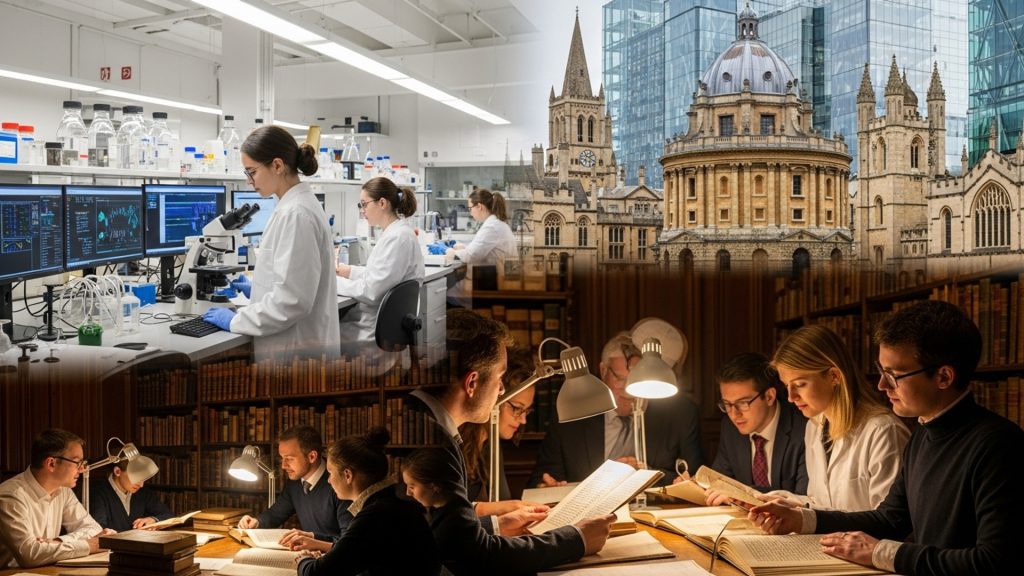
The University of Oxford stands as a formidable engine of scientific discovery, continually pushing the boundaries of knowledge to redefine our future. Its pioneering minds, exemplified by the rapid development of the Oxford-AstraZeneca COVID-19 vaccine, demonstrate an unparalleled capacity for impactful innovation. Currently, researchers are deeply engaged in advancing explainable AI algorithms for ethical autonomous systems and engineering novel materials for carbon capture, directly addressing the urgent demands of our evolving planet. These groundbreaking endeavors are not merely academic exercises; they represent critical accelerants in humanity’s quest to navigate complex global challenges, laying robust scientific and technological foundations that will profoundly shape the next decade and beyond, forging solutions for a resilient future.
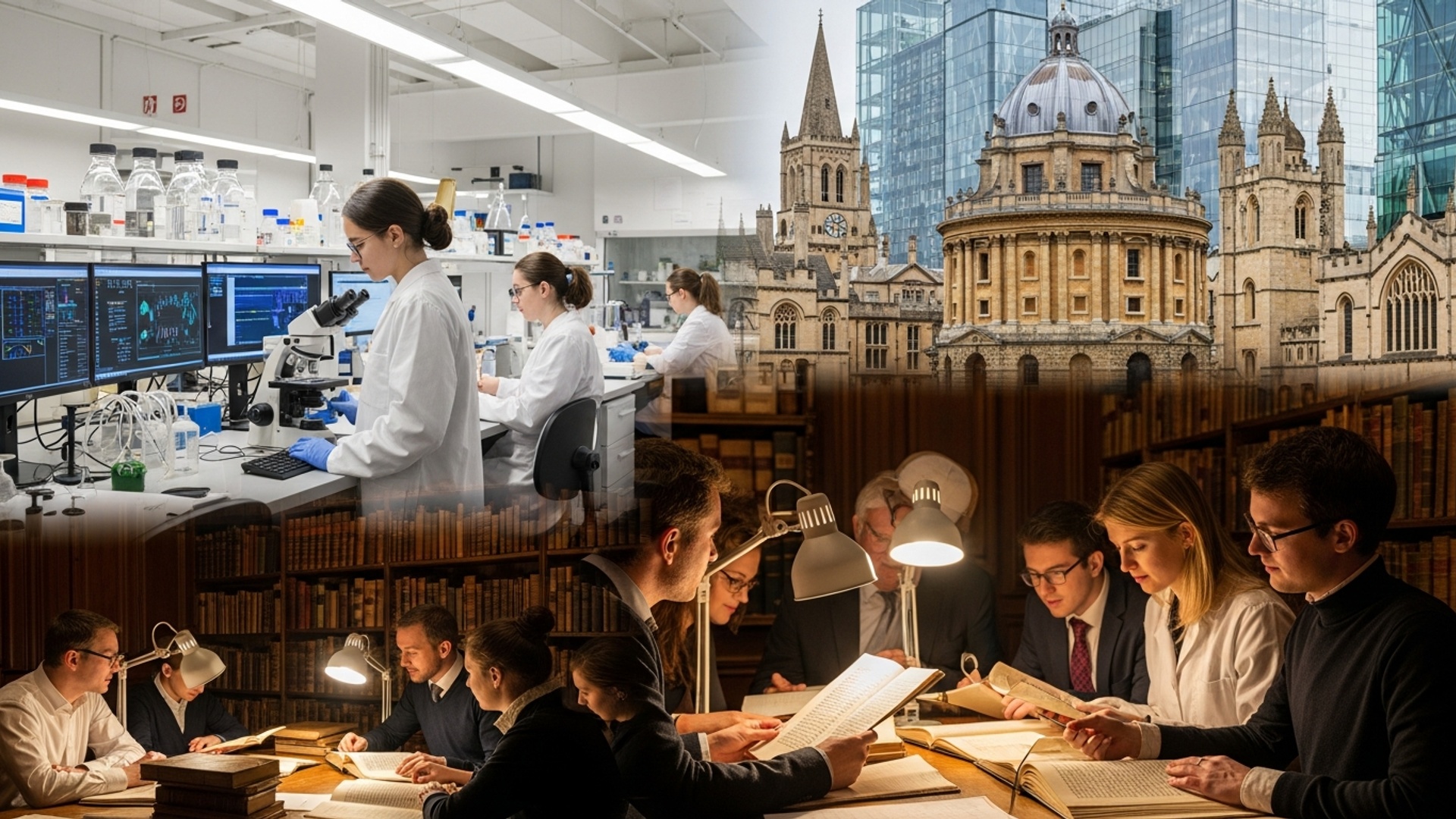
The Future is Now: How Oxford is Revolutionizing Health
Imagine a world where the biggest health challenges, from pandemics to chronic diseases, are met with incredible scientific breakthroughs. That’s the reality the University of Oxford is actively building. their work is already shaping how we live, breathe. heal. You might remember hearing about the Oxford-AstraZeneca COVID-19 vaccine – a monumental effort that showcased the University of Oxford’s rapid response capabilities and its profound impact on global health. But that was just one chapter in a much larger story.
At the heart of this revolution is a blend of cutting-edge biology and advanced technology. Researchers at the University of Oxford are not just looking for cures; they’re redefining medicine itself.
Vaccine Development: A Race Against Time
The development of the COVID-19 vaccine was a masterclass in accelerated scientific progress. Here’s a simplified look at how it worked:
- Identifying the Enemy
- The “Trojan Horse” Approach
- Teaching the Immune System
- Clinical Trials
Scientists first identified the virus’s genetic code, specifically the ‘spike protein’ that it uses to enter human cells.
The Oxford team used a modified, harmless common cold virus (adenovirus) from chimpanzees as a “vector.” This vector was engineered to carry the genetic instructions for the spike protein into human cells.
Once inside, human cells produced the spike protein, which our immune system recognized as foreign. This triggered an immune response, creating antibodies and T-cells ready to fight off the real COVID-19 virus if encountered later.
Rigorous testing on thousands of volunteers ensured the vaccine was both safe and effective before widespread use.
This rapid development was possible thanks to decades of foundational research at the University of Oxford into vaccine technologies, proving that long-term investment in science pays off in moments of crisis.
AI in Medicine: The Doctor’s New Brain
Beyond vaccines, the University of Oxford is a leader in applying Artificial Intelligence (AI) to healthcare. You might think of AI as something out of a sci-fi movie. in medicine, it’s a powerful tool that helps doctors make better decisions faster.
- AI Diagnostics
- Drug Discovery
- Personalized Medicine
Imagine an AI that can review medical images (like X-rays or MRI scans) with incredible speed and accuracy, sometimes even spotting subtle signs of disease that a human eye might miss. Oxford researchers are developing AI systems that can help diagnose conditions like heart disease, eye diseases. even cancer earlier, leading to more effective treatments.
Developing new drugs is a long, expensive process. AI can sift through vast amounts of data on molecular structures and disease pathways much faster than humans, identifying potential drug candidates and predicting how they might interact with the body. This could drastically speed up the discovery of new medicines.
This is a game-changer. Instead of a one-size-fits-all approach, personalized medicine tailors treatments to an individual’s unique genetic makeup, lifestyle. environment. AI helps examine this complex data to recommend the most effective therapies for each patient. For example, understanding how a specific genetic variant might make you respond differently to a drug allows doctors to prescribe the best dose or even a different medication entirely.
Tackling the Climate Crisis: Oxford’s Green Innovations
The climate crisis is one of humanity’s greatest challenges. the University of Oxford is at the forefront of developing solutions. From cleaner energy to sustainable food systems, their research is designed to protect our planet for future generations.
Renewable Energy Technologies: Powering a Sustainable Future
The shift away from fossil fuels is critical. Oxford researchers are exploring and improving various renewable energy sources:
- Solar Power
- Sustainable Fuels
- Energy Storage
Beyond traditional solar panels, the University of Oxford is researching next-generation photovoltaic materials that are more efficient, cheaper to produce. can even be integrated into building materials. Think about windows that generate electricity!
They are developing new ways to create fuels from sustainable sources, like converting waste biomass into biofuels or even exploring hydrogen as a clean energy carrier. This includes looking at how to make hydrogen production more efficient and less energy-intensive.
One big challenge with renewables is storage. The sun doesn’t always shine. the wind doesn’t always blow. Oxford is working on advanced battery technologies and other energy storage solutions to ensure a stable and reliable power supply from renewable sources.
Carbon Capture and Storage (CCS): Cleaning Our Air
Even as we transition to renewables, some industries will continue to emit carbon dioxide (CO2). Carbon Capture and Storage (CCS) is a technology designed to prevent this CO2 from entering the atmosphere. Here’s the basic idea:
- Capture
- Transport
- Storage
CO2 is separated from other gases produced by industrial processes (like power generation or manufacturing).
The captured CO2 is then compressed and transported, usually via pipelines.
Finally, it’s injected deep underground into geological formations, where it’s stored permanently, preventing its release into the atmosphere.
The University of Oxford is researching more efficient and cost-effective ways to capture carbon, making this crucial technology more viable on a global scale.
Sustainable Food Systems: Feeding the World Responsibly
How we produce and consume food has a massive environmental footprint. Oxford’s research in this area includes:
- Reducing Food Waste
- Plant-Based Diets
- Agricultural Innovation
Developing strategies and technologies to minimize food loss from farm to fork.
Analyzing the environmental and health impacts of different diets and promoting more sustainable food choices.
Exploring precision agriculture, where technology helps farmers use resources like water and fertilizer more efficiently. developing crop varieties that are more resilient to climate change.
Shaping Our Digital World: AI and Ethical Innovation
The digital age is constantly evolving. the University of Oxford is not just building new technologies; it’s also ensuring they serve humanity responsibly. This means looking at the ethical implications of powerful tools like Artificial Intelligence.
Ethical AI: Building Trustworthy Technology
AI has incredible potential. it also raises crucial questions. What if an AI makes biased decisions? How do we ensure it’s used for good? Ethical AI research at the University of Oxford focuses on:
- Fairness and Bias
- Transparency and Explainability
- Privacy and Security
AI systems learn from data. If the data reflects existing societal biases (e. g. , in hiring or lending), the AI can perpetuate or even amplify those biases. Oxford researchers are developing methods to identify and mitigate bias in AI algorithms.
Sometimes, AI models are so complex that it’s hard to interpret how they arrive at a particular decision. “Explainable AI” aims to make these systems more transparent, so we can interpret their reasoning and trust their outputs, especially in critical areas like medicine or law.
As AI uses more data, protecting individual privacy becomes paramount. Oxford is developing frameworks to ensure AI systems handle personal data securely and ethically.
AI for Social Good: Solving Global Challenges
Beyond ethical considerations, the University of Oxford is harnessing AI to tackle some of the world’s most pressing social issues:
- Disaster Prediction and Response
- Education
- Conservation
AI can review satellite imagery, social media data. weather patterns to predict natural disasters (like floods or wildfires) and optimize relief efforts, getting help to those who need it most, faster.
Personalized learning platforms powered by AI can adapt to individual student needs, providing tailored content and feedback, making education more accessible and effective.
AI is being used to monitor wildlife populations, track deforestation. combat poaching, aiding conservation efforts around the globe.
Beyond STEM: Oxford’s Impact Through Humanities and Social Sciences
While science and technology often grab headlines, the University of Oxford’s groundbreaking research isn’t limited to labs and algorithms. Its vibrant humanities and social sciences departments play a crucial role in understanding our world and shaping better societies.
Understanding Humanity’s Challenges
Researchers in these fields delve into complex human problems, offering insights that inform policy and improve lives:
- Poverty and Inequality
- Conflict and Peacebuilding
- Mental Health and Well-being
Economists and sociologists at Oxford review the root causes of poverty, evaluate the effectiveness of different aid programs. propose policies to create more equitable societies. Their work directly influences international development strategies.
Experts study the dynamics of war, terrorism. political instability, developing frameworks for conflict resolution and promoting peace in volatile regions. Their research helps governments and NGOs navigate delicate diplomatic situations.
Psychologists and philosophers explore the complexities of the human mind, developing new therapies, understanding societal pressures on mental health. advocating for better support systems. This research helps destigmatize mental illness and improve access to care for young adults and teens.
Shaping Policy and Public Discourse
The insights generated by Oxford’s humanities and social sciences researchers don’t just stay in academic journals. They actively inform public policy and shape how we think about the world:
- Evidence-Based Policy
- Ethical Debates
- Cultural Understanding
Governments worldwide rely on Oxford’s research to develop effective policies in areas ranging from education to criminal justice. This ensures decisions are based on solid evidence, not just assumptions.
Philosophers and ethicists contribute to crucial public discussions on emerging technologies (like AI or genetic engineering), human rights. social justice, helping society navigate complex moral dilemmas.
Historians, linguists. literature scholars provide deep insights into human cultures, past and present, fostering global understanding and appreciation for diverse perspectives. This is vital in our interconnected world.
What Does This Mean for You?
The groundbreaking research happening at the University of Oxford isn’t just for scientists and academics – it directly impacts your life and shapes your future. Here’s how:
Direct Benefits and a Better World
- Healthier Lives
- A Sustainable Planet
- Smarter and Fairer Technology
From new vaccines to smarter diagnostics and personalized treatments, Oxford’s medical research means you’re more likely to live a longer, healthier life. Imagine a future where serious diseases are caught earlier or even prevented entirely.
Innovations in renewable energy, carbon capture. sustainable food systems mean a cleaner environment, better air quality. a more stable climate for you and generations to come. Your future won’t just be about surviving; it will be about thriving.
Ethical AI and responsible technological development mean the digital tools you use every day will be more reliable, less biased. truly designed to improve your life, not just capture your attention.
Your Role in the Future: Actionable Takeaways
The work at the University of Oxford should inspire you, not just as a consumer of these innovations. as a potential contributor. Here are some actionable takeaways:
- Stay Curious
- Develop Critical Thinking
- Explore STEM and Humanities
- Consider Your Education
Keep asking “why” and “how.” Read about scientific breakthroughs, technological advancements. societal challenges. The more you grasp, the more you can engage.
With so much details out there, learning to evaluate sources and think critically about complex issues is more essential than ever. This is a skill nurtured by the humanities and social sciences.
Don’t limit yourself! Whether it’s coding, biology, philosophy, or economics, every field offers a pathway to contribute to humanity’s next decade. The University of Oxford thrives on interdisciplinary collaboration, showing how different areas of knowledge combine to solve big problems.
If you’re passionate about making a difference, institutions like the University of Oxford are looking for bright, motivated minds like yours. Research their programs, look into online courses. think about how you can develop the skills needed for these future-shaping careers.
The future isn’t something that just happens to us; it’s something we create. And the pioneering minds at the University of Oxford are providing powerful tools and insights to build a better one.
Conclusion
Oxford University’s groundbreaking research, from pioneering rapid vaccine development during global health crises to spearheading ethical AI frameworks, vividly illustrates its profound impact on shaping humanity’s next decade. These aren’t merely academic exercises; they are the crucial blueprints for our collective future, directly addressing critical current trends like climate solutions and the responsible integration of technology. I’ve often reflected on how such complex scientific endeavors, seemingly distant, directly influence our daily lives. My personal tip is to cultivate an insatiable curiosity and actively seek out how these innovations, like Oxford’s ongoing work on sustainable energy, are unfolding around us. Don’t just passively consume details; engage with it. Support initiatives that foster research and consider how you might contribute to this collective progress, perhaps by advocating for science or pursuing further education. The future is being built today, brick by intellectual brick. by staying informed and involved, we all play a part in steering its course. Let this understanding motivate you to be an active participant in the unfolding narrative of human advancement.
More Articles
Fuel Your Innovation: Entrepreneurial Mindset Lessons from Stanford’s Tech Ecosystem
Master Tomorrow’s Tech: Practical AI Skills Inspired by MIT’s Leading Innovations
Elevate Your Leadership: Practical Decision-Making Insights from Harvard’s Elite Thinkers
Your Ultimate 2025 Guide: Successfully Applying to Top UK Universities with Confidence
Build Better Cities: Sustainable Urban Living Strategies Inspired by UCL’s Research

FAQs
What’s ‘Pioneering Minds’ all about?
This initiative shines a spotlight on how Oxford University’s cutting-edge research is directly influencing and preparing us for the challenges and opportunities of the coming decade. It’s about showcasing the brilliant minds and their work that will shape our collective future.
What kind of groundbreaking research is Oxford focusing on that will impact humanity?
Oxford is tackling a huge range of critical areas! Think advancements in AI and robotics, breakthroughs in medicine and global health, sustainable energy solutions, environmental conservation, understanding societal changes. even exploring the ethics of new technologies. It’s a very broad spectrum designed to address humanity’s biggest questions.
How exactly will this research shape the next ten years for us?
The impact will be pretty profound. We’re talking about new treatments for diseases, smarter ways to combat climate change, more equitable societal structures. innovations that will transform industries and daily life. The goal is to lay the groundwork for a healthier, more sustainable. more informed global society by 2034 and beyond.
Is this groundbreaking work limited to just science and technology, or does it cover other fields too?
Absolutely not just science and tech! While those are certainly major pillars, ‘Pioneering Minds’ also emphasizes transformative research in humanities, social sciences, law. arts. Oxford believes that a holistic approach, blending diverse disciplines, is essential to truly comprehend and shape humanity’s future.
What makes Oxford’s approach to this groundbreaking research stand out?
Oxford’s unique strength lies in its deep interdisciplinary collaboration, drawing on centuries of academic excellence combined with a forward-thinking, global perspective. They foster an environment where top minds from different fields come together to solve complex problems, often leading to unexpected and truly innovative solutions that wouldn’t emerge from isolated research.
Could you give an example of the kind of groundbreaking work being done right now?
While I can’t name specific current projects or researchers, imagine work ranging from developing new vaccine technologies that can rapidly respond to emerging global health threats, to designing ethical frameworks for advanced AI systems, or even creating economic models for a truly circular economy. It’s all about tackling grand challenges with innovative solutions.
Where can I find more details or follow specific projects from ‘Pioneering Minds’?
While I can’t give you direct links, Oxford typically shares updates on its main university website, through specific departmental news sections. sometimes via dedicated research portals. Keeping an eye on their official communication channels is the best way to stay informed about the progress and findings of these initiatives.