
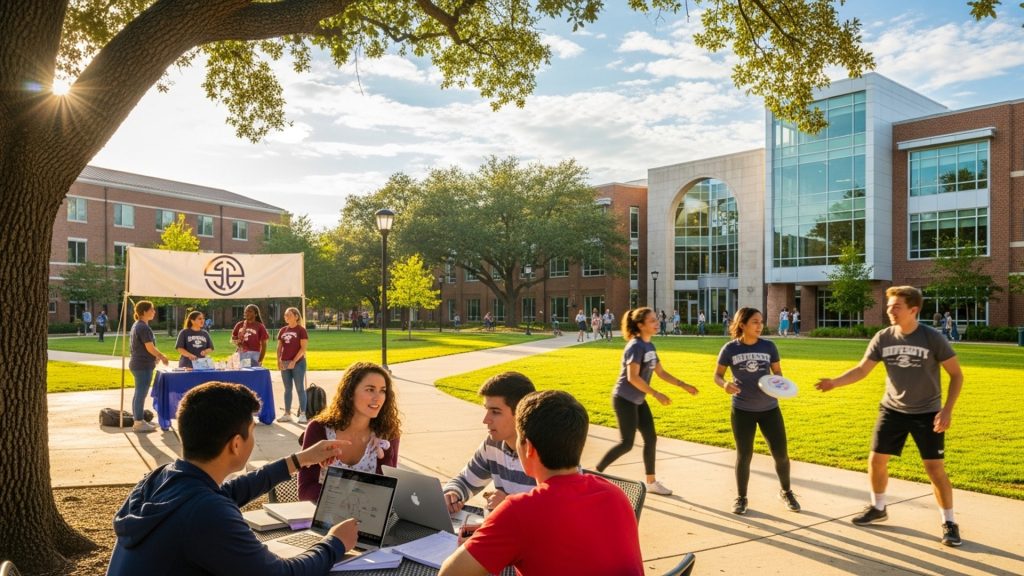
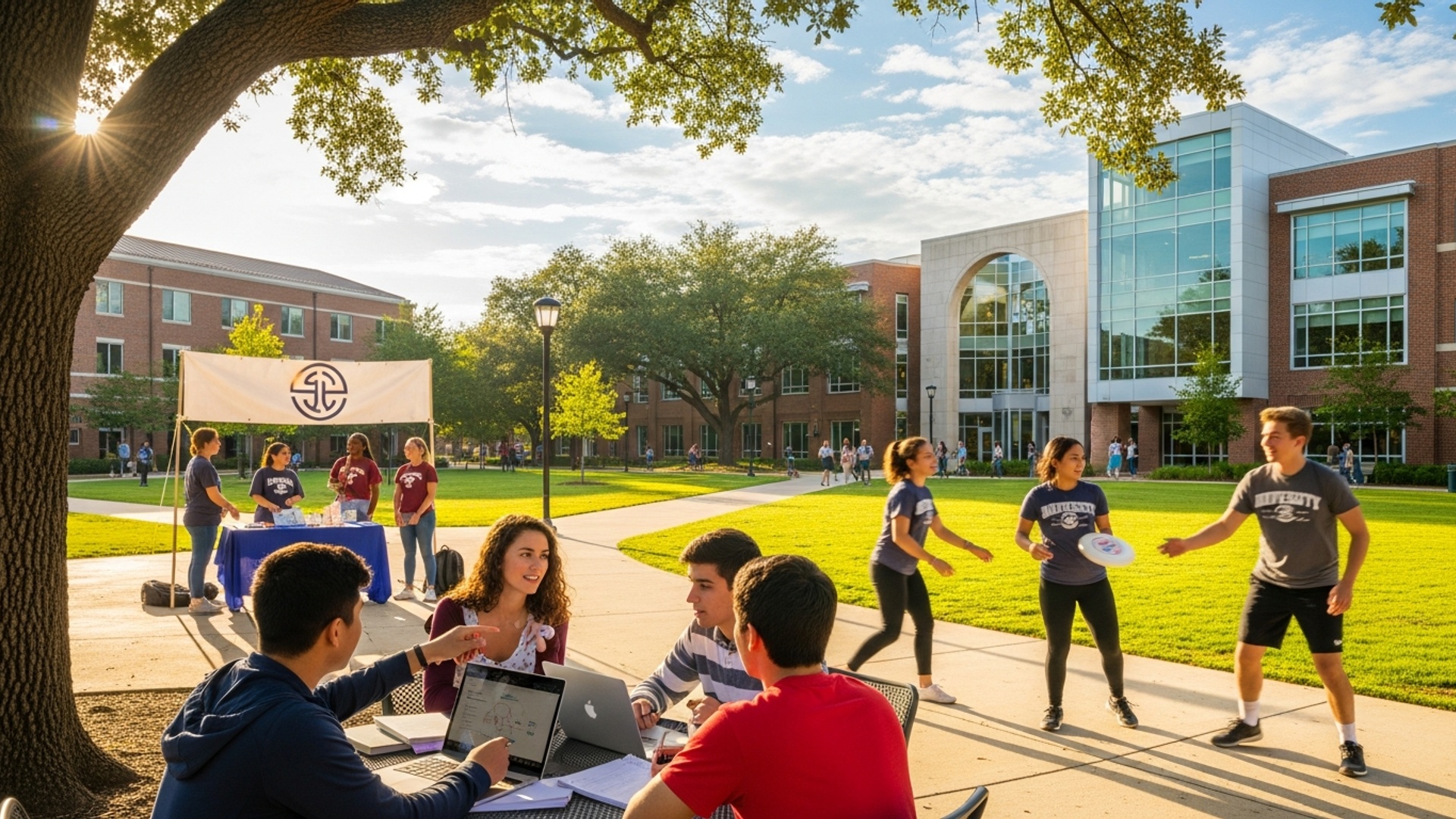
An American university campus transcends traditional lecture halls, serving as a dynamic ecosystem for unparalleled experiential learning and personal development. Students actively engage with cutting-edge innovation hubs, participate in vibrant student-led initiatives from hackathons to global cultural festivals. access comprehensive wellness programs reflecting current trends in holistic support. Recent developments foster interdisciplinary collaboration through state-of-the-art makerspaces and prioritize diversity and inclusion efforts, shaping a truly global perspective. This environment cultivates critical thinking, entrepreneurial spirit. practical skills, pushing boundaries far beyond academic curricula.
Understanding Campus Life Beyond the Classroom Walls
When you envision attending an American university, your mind might immediately jump to lectures, textbooks. late-night study sessions. While academics are undoubtedly central, the true richness of the university experience, especially at an American university, extends far beyond the lecture halls. “Campus life” refers to the holistic environment and activities available to students outside of their formal academic coursework. It encompasses everything from where you live and what you do for fun, to the friendships you forge and the skills you develop that aren’t graded. Think of it as a vibrant ecosystem designed to foster personal growth, social connections. a sense of belonging, making your university years truly transformative.
This dynamic environment is intentionally cultivated to provide a balanced educational journey. It’s where you discover new passions, challenge your perspectives. learn to navigate independence. From the moment you step onto campus, you’re not just a student; you’re part of a community, with countless opportunities to shape your identity and future.
Joining the Tribe: Student Organizations and Clubs
One of the most defining aspects of campus life at an American university is the sheer variety and volume of student organizations and clubs. These groups are student-led and cover virtually every interest imaginable, offering incredible avenues for connection and development.
- Academic/Professional Clubs
- Cultural/Identity-Based Groups
- Hobby/Interest Clubs
- Volunteer/Service Organizations
- Performing Arts
- Student Government
These are tied to specific majors or career paths, such as the “Biology Club,” “Engineering Society,” or “Pre-Med Association.” They often host guest speakers, workshops. networking events, providing valuable insights and connections for your future career.
Celebrating diversity, these clubs bring together students from various backgrounds or those interested in exploring different cultures. Examples include “African Student Association,” “Latinx Union,” “Pride Alliance,” or “International Student Club.” They organize festivals, discussions. cultural performances.
From “Chess Club” and “Anime Society” to “Outdoor Adventure Club” and “Baking Enthusiasts,” these groups are built around shared passions. They offer a relaxed environment to pursue hobbies, meet like-minded individuals. unwind from academic pressures.
If giving back is your passion, groups like “Habitat for Humanity Campus Chapter” or “Doctors Without Borders Student Chapter” provide opportunities to make a real difference in the community, often locally and sometimes internationally.
“Drama Club,” “A Cappella Groups,” “Dance Teams,” and “Marching Band” are common, allowing students to express their creativity and perform for the campus community.
For those interested in leadership and advocacy, joining the “Student Government Association (SGA)” allows you to represent your peers, influence campus policies. organize events that benefit the entire student body.
Most universities host a “Club Rush” or “Activities Fair” at the start of each semester. This is your prime opportunity to browse, ask questions. sign up for mailing lists. Don’t be afraid to try out a few different clubs before committing. It’s a fantastic way to meet people outside your classes and dorm.
Unleashing Your Inner Athlete: Sports and Recreation
Whether you’re a seasoned athlete or just looking to stay active, an American university offers a wide range of sports and recreational opportunities. This is a crucial part of maintaining physical and mental well-being while fostering teamwork and competitive spirit.
Here’s a breakdown of common offerings:
| Component | Description | Who It’s For |
|---|---|---|
| Varsity Athletics | Highly competitive, intercollegiate sports teams (e. g. , NCAA Division I, II, or III). Requires significant time commitment, tryouts. adherence to strict training schedules. Athletes often receive scholarships. | Talented athletes committed to high-level competition and representing the university. |
| Intramural Sports | Organized sports leagues and tournaments exclusively for students, faculty. staff within the university. Less competitive than varsity, focused on participation, fun. recreation. | Anyone who enjoys playing sports and wants to compete in a friendly, casual environment without intense pressure. |
| Club Sports | Student-run competitive teams that compete against other universities but are not part of the official varsity athletic department. They often require tryouts but are less demanding than varsity. | Students with a strong interest in a particular sport who want a higher level of competition than intramurals. with more flexibility than varsity. |
| Recreation Centers & Fitness Classes | State-of-the-art facilities with gyms, weight rooms, swimming pools, climbing walls. multi-purpose courts. Many offer free or low-cost fitness classes (yoga, Zumba, spinning, etc.) . | All students looking to maintain fitness, relieve stress, or try new physical activities. |
| Outdoor Programs | Departments that organize trips and activities like hiking, kayaking, rock climbing. camping for students, often providing equipment and instruction. | Adventure seekers and those who want to explore natural surroundings and develop outdoor skills. |
Many students find their closest friends on intramural teams or through shared gym sessions. Even if you’re not an athlete, attending games to cheer on your university’s varsity teams is a huge part of school spirit and community bonding at an American university.
Home Away From Home: Residential Life and Community
For many students, especially those moving away from home for the first time, living in university dorms (residence halls) is a quintessential part of the American university experience. It’s more than just a place to sleep; it’s a living, learning community.
- Dorm Rooms
- Common Areas
- Resident Advisors (RAs)
- Themed Housing
Typically shared with one or more roommates, dorm rooms are your personal space on campus. They teach you valuable lessons in sharing, compromise. independence.
Most dorms have shared lounges, study rooms, kitchens. laundry facilities. These are natural gathering spots for socializing, group projects. impromptu late-night talks.
These are upper-year students who live in the dorms and serve as mentors, organizers. first points of contact for residents. RAs plan social events, mediate conflicts. ensure a safe and positive living environment. They are a great resource for navigating campus life.
Some universities offer “Living-Learning Communities” (LLCs) or themed housing for students with shared academic interests (e. g. , “Engineering LLC”) or identities (e. g. , “Global Scholars House”). These foster deeper connections and specialized programming.
“Sarah, a freshman at a large American university, was nervous about living with a stranger. Her RA, Michael, organized weekly ‘pizza and game nights’ on her floor. Through these casual gatherings, Sarah not only bonded with her roommate but also made a diverse group of friends from different majors, who became her support system throughout her first year.”
Living on campus provides unparalleled convenience – you’re steps away from classes, the library. dining halls. More importantly, it immerses you in the heart of the university community, making it easier to participate in activities and form lasting friendships.
Beyond the Books: Social Events and Traditions
An American university calendar is packed with social events and traditions that add excitement, fun. a sense of legacy to your student experience. These events are designed to entertain, build community. create unforgettable memories.
- Welcome Week/Orientation
- Homecoming
- Concerts and Performances
- Cultural Festivals
- Spring Fling/Carnivals
- Greek Life (Fraternities and Sororities)
Before classes even begin, universities host a series of events to help new students adjust, meet peers. learn about campus resources. Think scavenger hunts, outdoor movies. social mixers.
A beloved tradition, Homecoming typically takes place in the fall, centered around a major football game. It includes parades, tailgating, dances. alumni gatherings, uniting the past and present university community.
Many universities bring popular bands, comedians. speakers to campus. Student groups also organize talent shows, open mic nights. theatrical productions.
Celebrating the diverse student body, campuses often host festivals for holidays like Diwali, Lunar New Year, Black History Month, or Cinco de Mayo, featuring food, music. performances.
As the weather warms, many universities host large outdoor festivals with rides, food trucks, live music. games, offering a celebratory break before final exams.
While not for everyone, Greek organizations are a significant part of the social scene at many American universities, offering a strong social network, philanthropic opportunities. leadership roles.
These events aren’t just for fun; they’re opportunities to de-stress, explore different interests. create shared experiences that define your time at the university.
Gaining Experience and Earning: Work-Study and Part-Time Jobs
Many students at an American university choose to work part-time, not just to earn money but also to gain valuable professional experience. Universities often facilitate this through specific programs and on-campus job opportunities.
- Federal Work-Study Program
- On-Campus Jobs
- Off-Campus Jobs
This is a financial aid program that provides part-time jobs for undergraduate and graduate students with financial need, allowing them to earn money to help pay for educational expenses. These jobs are often on-campus or with non-profit organizations.
Even without work-study eligibility, many departments hire students for various roles: library assistants, lab technicians, dining hall staff, resident advisors (RAs), front desk receptionists, campus tour guides, or tutors. These jobs are convenient, flexible around your class schedule. provide a direct connection to the university community.
Many students also find part-time employment in local businesses, retail stores, restaurants, or service industries in the town surrounding the university.
- Financial Independence
- Skill Development
- Networking
- Resume Building
Earning your own money can reduce reliance on loans or family support.
You’ll build valuable transferable skills like time management, customer service, teamwork, communication. problem-solving.
Working with faculty, staff. other students can open doors to mentorship and future opportunities.
Part-time jobs demonstrate responsibility and initiative, making your resume more attractive to future employers.
Check your university’s career services website or student employment office for listings. Be proactive in applying. remember that even seemingly small roles can offer significant learning experiences.
Your Support Network: Services for Well-being and Success
An American university is deeply invested in the holistic well-being and success of its students. Beyond academics, a robust network of support services is available to help students navigate challenges and thrive.
- Health Services
- Counseling and Psychological Services (CAPS)
- Academic Support Centers
- Career Services
- Disability Services
- Diversity and Inclusion Centers
On-campus clinics provide primary medical care, vaccinations, health education. sometimes pharmacy services. This ensures students have easy access to healthcare when they need it.
University counseling centers offer confidential individual and group therapy, crisis intervention. workshops on topics like stress management, anxiety. depression. Mental health support is a critical component of student well-being.
These include tutoring services, writing centers, math labs. study skills workshops. They are designed to help students improve their academic performance and develop effective learning strategies.
Beyond just job postings, career centers offer resume and cover letter reviews, mock interviews, career counseling, internship search assistance. networking events like career fairs. They help students bridge the gap between their academic journey and professional aspirations.
Dedicated offices provide accommodations and support for students with disabilities, ensuring equal access to education and campus resources.
These centers often serve as safe spaces and resource hubs for various student identities (e. g. , LGBTQ+ centers, multicultural centers, women’s centers). They promote understanding, host events. advocate for an inclusive campus environment.
According to the American College Health Association (ACHA), mental health is a top concern for university students. comprehensive support services are vital for student retention and success. Utilizing these resources is a sign of strength, not weakness. can significantly enhance your university experience.
Building Your Future: Leveraging Campus Life for Success
The experiences you gain outside the classroom at an American university are not just “extras”; they are crucial components of your personal and professional development. They equip you with a diverse set of skills that employers highly value.
- Leadership Skills
- Communication and Interpersonal Skills
- Time Management and Organization
- Problem-Solving and Critical Thinking
- Networking
- Self-Discovery and Resilience
Leading a club, organizing an event, or serving on student government provides hands-on experience in delegation, decision-making, conflict resolution. motivating others.
Interacting with diverse groups of people in clubs, dorms. social settings refines your ability to communicate effectively, negotiate. build relationships.
Balancing academics with extracurriculars, work. social life forces you to develop strong organizational skills and learn to prioritize effectively.
Many club activities or campus roles involve identifying challenges and collaboratively finding solutions, fostering practical problem-solving abilities.
Every interaction, from a club meeting to a campus event, is an opportunity to expand your network. These connections can lead to internships, job opportunities. lifelong friendships.
Trying new things, stepping out of your comfort zone. navigating the ups and downs of university life build self-awareness and resilience – essential traits for any future endeavor.
Be intentional about your involvement. Don’t just join clubs; actively participate, take on leadership roles. reflect on what you’re learning. Keep a running list of your achievements and skills developed, as these will be invaluable when you’re writing your resume or preparing for job interviews.
Conclusion
Embracing campus life at an American university truly elevates your educational journey far beyond lectures, actively shaping your identity through diverse experiences. My personal tip is to dive headfirst into student organizations—whether it’s a robotics club leveraging recent AI advancements or a debate society tackling global policy issues, like those discussed at Oxford. These engagements, often found through campus apps or online communities reflecting current trends, build invaluable soft skills and a robust network. Remember, the true value lies in the proactive pursuit of these opportunities. Don’t merely attend; participate, lead. even initiate. This immersive environment, where you balance academic rigor with social vibrancy, cultivates critical thinking and adaptability crucial for tomorrow’s dynamic world. So, step out of your comfort zone, connect with diverse perspectives. craft a unique university narrative that will empower your future.
More Articles
Navigating Complexity: Oxford’s Insights on Global Policy and Ethical AI Challenges
Engineering Tomorrow: MIT’s Breakthroughs in AI and Robotics Transforming Industries
Unlock Your Future: How Stanford’s Innovation Ecosystem Powers Tomorrow’s Tech Leaders
Leading the Way: Key Management Skills for Tomorrow’s Dynamic Business Landscape
Beyond the Numbers: How to Effectively Use UK University Rankings for 2025 Admissions

FAQs
How do students really get plugged into campus life beyond just classes?
It’s super easy to get involved! Most universities kick things off with orientation events, activity fairs. welcome weeks designed to help you meet people and discover opportunities. Joining clubs, attending dorm events. just showing up to campus-wide gatherings are excellent ways to find your community and make new friends.
What kind of clubs or activities can I expect to find? Is there something for everyone?
Absolutely! American universities pride themselves on offering an incredible range of extracurriculars. You’ll find everything from academic societies and competitive sports (varsity and intramural) to cultural groups, volunteer organizations, performing arts ensembles. quirky special interest clubs like gaming or debate. Whatever your passion, there’s likely a group for it, or you can even start your own!
What’s it like living in the dorms? Is it just about sleeping there?
Living in the dorms is a huge part of the campus experience for many students, especially in the first year. It’s much more than just a place to sleep! Dorms often foster a strong sense of community with resident assistants (RAs) organizing events, common rooms for socializing, impromptu study groups. countless opportunities for late-night chats and shared experiences that build lasting friendships.
So, what do students actually do for fun on the weekends? Is it all just studying?
Definitely not all studying! Weekends are buzzing with activity. You can catch a campus concert, cheer on a sports team, watch a movie under the stars, attend a student-led party, or explore the local town or city with friends. Many campuses also organize trips to nearby attractions, hiking trails, or cultural events. There’s always something happening to help you unwind and have a good time.
What if I feel overwhelmed or need some support adjusting? Is campus life just go-go-go?
While campus life can be vibrant and fast-paced, universities grasp that students need support. There are robust systems in place, including student counseling services, academic advising, health centers. peer mentor programs. Many campuses also offer wellness workshops and mindfulness activities. It’s okay to seek help. these resources are there to ensure you thrive, not just survive.
Are campus dining options any good, or will I be stuck with boring cafeteria food every day?
Forget the old stereotype of bland cafeteria food! Modern American universities invest heavily in diverse and delicious dining options. You’ll usually find multiple dining halls with various cuisines, cafes, grab-and-go spots. even food trucks. Most cater to different dietary restrictions and preferences. dining areas are often lively social hubs where you can connect with friends over a meal.
How easy is it to make friends, especially for international students or those from far away?
American university campuses are generally very welcoming and diverse, making it quite easy to make friends. Orientation programs often include specific events for international students. there are many cultural clubs that celebrate different backgrounds. The shared experience of starting university, joining clubs, living in dorms. collaborating on projects naturally creates bonds. Most students are open and eager to connect, so don’t be shy!