Rising rents, competitive housing markets. tighter safety standards have made finding UK student housing a high-stakes decision for new arrivals, especially as purpose-built student accommodation expands and private rentals face stricter licensing rules in 2024. Choosing the right place now means balancing affordability with security features like accredited landlords, EPC energy ratings. verified tenancy agreements, while avoiding scams that increasingly target international students through social platforms. Universities also partner more with vetted providers and digital viewing tools, changing how students shortlist rooms before arrival. A practical University accommodation guide helps decode these shifts by connecting real-world examples, such as comparing on-campus halls with city-centre PBSA options under current cost-of-living pressures. highlighting how smart planning reduces stress, protects budgets. supports a confident start to university life.
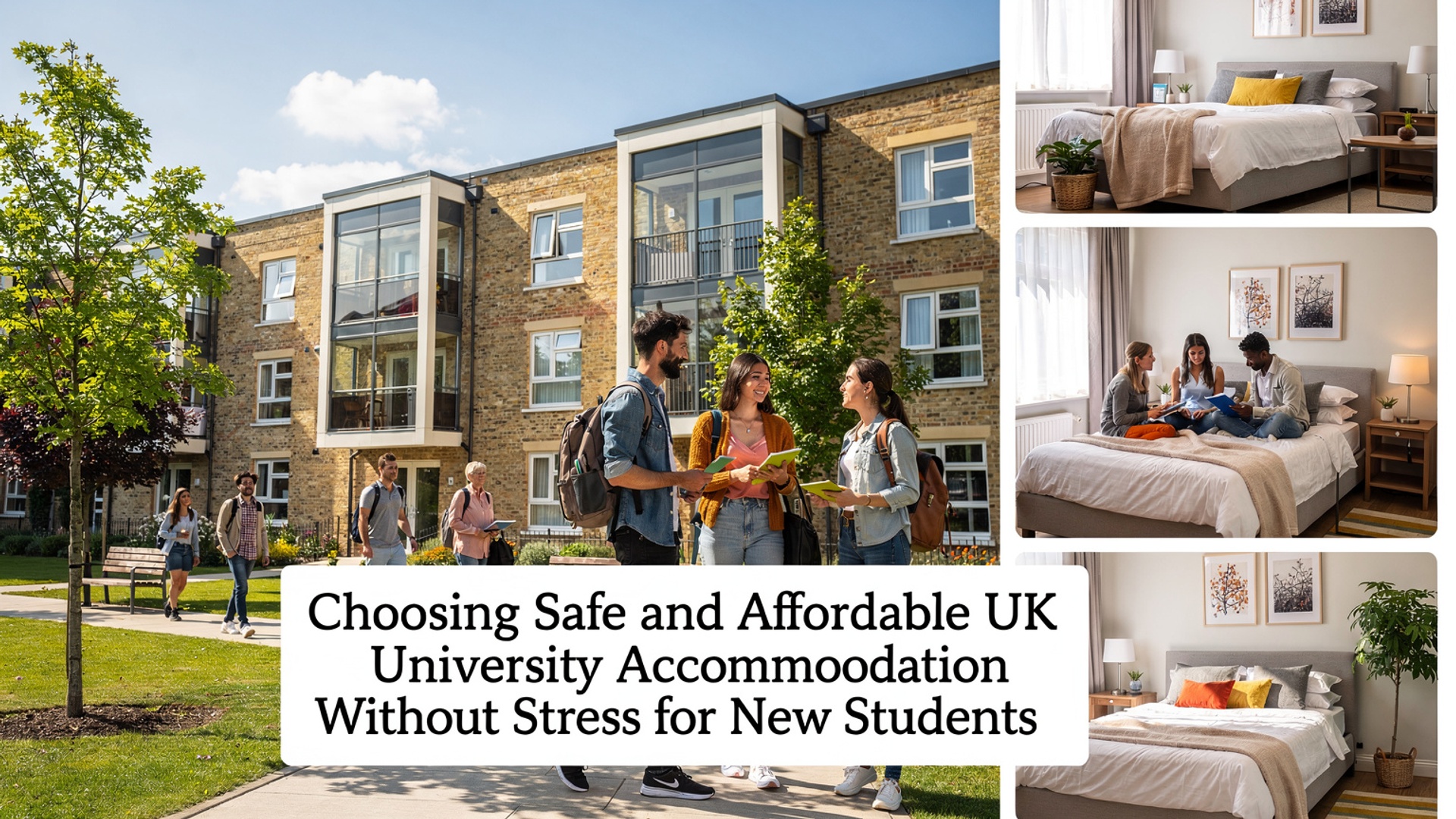
Understanding University Accommodation Options in the UK
University accommodation in the UK generally falls into three main categories: university-managed halls, private student accommodation. private rented housing. Understanding these options is the foundation of any reliable University accommodation guide.
- University-managed halls
- Private student accommodation
- Private rented housing
Owned or managed by universities, often located on or near campus. These are popular with first-year students due to built-in security, support services. inclusive bills.
Purpose-built student housing run by private companies such as Unite Students or iQ Student Accommodation. They offer modern facilities and flexible contracts.
Shared houses or flats rented from landlords. These are more common among second- and third-year students and usually offer lower costs but more responsibility.
According to UCAS and the UK Council for International Student Affairs (UKCISA), most new students choose university halls in their first year because they reduce stress and help with social adjustment.
Key Terms Every New Student Should Know
Accommodation searches often include unfamiliar terms. Knowing these helps students and parents make informed decisions.
- En-suite
- Shared facilities
- All-inclusive rent
- Tenancy agreement
- Guarantor
A private bathroom attached to a bedroom.
Kitchens, bathrooms, or living spaces used by multiple students.
Rent that includes utilities such as electricity, water, heating. internet.
A legal contract outlining rent, duration. responsibilities.
An adult (often a parent) who agrees to cover rent if the student cannot pay.
These definitions are commonly referenced in official guidance from institutions like Student Minds and Shelter UK.
Comparing Accommodation Types: Cost, Safety. Convenience
| Accommodation Type | Average Weekly Cost | Safety Level | Best For |
|---|---|---|---|
| University Halls | £120–£180 | High (24/7 security, wardens) | First-year students |
| Private Student Housing | £140–£220 | High (secure entry, CCTV) | Students wanting modern facilities |
| Private Rental | £90–£150 (excluding bills) | Varies by area | Budget-conscious returning students |
This comparison is based on data from Save the Student and the National Union of Students (NUS).
How to Check Safety and Security Before Booking
Safety is a top concern for students aged 13–24 and their families. A good University accommodation guide always prioritizes this aspect.
- Look for secure entry systems such as key cards or fobs.
- Check if there is 24/7 staff presence or on-call wardens.
- Research the local area using UK police crime maps.
- Read verified student reviews on platforms like StudentCrowd.
A real-world example: a first-year student at the University of Manchester shared via StudentCrowd that choosing halls with on-site security helped them feel confident living away from home for the first time.
Budgeting Basics: Making Accommodation Affordable
Managing money is new for many young adults. Accommodation is often the biggest expense.
- Set a weekly budget before viewing properties.
- Ask whether rent includes bills to avoid surprise costs.
- Consider slightly longer commutes for lower rent.
- Apply early for university halls, which are often cheaper.
According to MoneySavingExpert, students who choose all-inclusive rent are less likely to struggle with budgeting during the academic year.
Understanding Contracts and Legal Rights
Tenancy agreements can feel overwhelming, especially for teens and first-time renters.
- Fixed-term contracts usually last 40–51 weeks.
- Cooling-off periods may apply if booked online.
- Deposits are capped at five weeks’ rent by UK law.
Shelter UK advises students to never sign a contract without reading it fully or asking a university housing advisor for help.
Technology Tools That Simplify the Search
Digital platforms make accommodation searches easier and less stressful.
- University portals
- Accommodation platforms
- Virtual tours
Official listings vetted by the institution.
Websites like Rightmove Student and Unipol.
360-degree videos help students view rooms remotely.
Example: During the COVID-19 period, many universities adopted virtual tours, which are still widely used and especially helpful for international students.
Real-World Case Study: A Stress-Free First-Year Experience
A 17-year-old student entering the University of Leeds chose university-managed halls after attending an online open day. With bills included and a resident advisor on each floor, they reported feeling supported academically and socially. Their parents highlighted peace of mind due to clear communication and safety measures.
This example reflects common feedback collected by UCAS and demonstrates how structured accommodation reduces transition stress.
Practical Checklist Before Making a Final Decision
- Confirm total cost, including deposits and bills.
- Check distance to campus and public transport.
- Review safety features and emergency contacts.
- grasp the contract length and cancellation terms.
- Use a trusted University accommodation guide or university advisor.
This checklist is adapted from guidance published by the National Union of Students and UKCISA to help students make confident, informed choices.
Conclusion
Choosing safe and affordable UK university accommodation doesn’t have to feel overwhelming when you approach it with clarity and timing. From my own first week in Manchester, I learned that viewing contracts early and double-checking council tax exemptions can save both money and panic later. With rising rent prices and more students using verified platforms and virtual tours in 2025, comparing halls with private housing has become easier and safer if you stay proactive. As you weigh costs, location. security, remember how closely housing links to your overall budget, much like stretching your maintenance loan wisely, as discussed in Smart Ways UK Students Can Stretch Maintenance Loans Without Extra Stress. Trust your instincts, ask current students honest questions. never rush a deposit without clarity. When your accommodation feels secure and manageable, everything else, from classes to friendships, falls into place. Start early, stay informed. move forward with confidence because the right home sets the tone for a successful university journey.
More Articles
Choosing a UK Course That Matches Career Goals Not Just Entry Grades
Step-by-Step Guide to Apply UK University Successfully as an Overseas Applicant
Everyday Employment Rights in the UK Explained for Students and New Workers
Smart UCAS Application Tips to Strengthen Personal Statements Without Stress Pressure
How UK University Rankings Really Impact Graduate Jobs and Student Satisfaction

FAQs
What types of student accommodation are available in the UK?
Most new students choose between university halls, private student residences, or shared private housing. Halls are usually easier for first-year students, while private options can offer more independence and sometimes lower costs if shared.
How can I tell if a student accommodation is safe?
Look for basics like secure entry systems, good lighting, on-site staff or wardens. clear safety policies. Reading recent student reviews and checking the area’s general reputation can also help you feel more confident.
Is university-managed accommodation more expensive than private housing?
Not always. University halls often include bills, internet. security in the rent, which can make them good value. Private housing might look cheaper at first. extra costs can add up quickly.
When should new students start looking for accommodation?
It’s best to start researching as soon as you accept your offer. Many university accommodations open applications early. popular private options can fill up fast, especially in big cities.
What hidden costs should I watch out for?
Check whether utilities, internet, laundry. council tax (if applicable) are included. Also look for deposits, booking fees. end-of-contract cleaning costs that may not be obvious at first.
Can I change my accommodation if I’m unhappy?
Sometimes, yes. Universities may allow room transfers if there’s availability, especially for serious issues. Private contracts are usually stricter, so it’s crucial to grasp the cancellation or break clause before signing.
How can I keep accommodation choices stress-free as a new student?
Set a clear budget, list your must-haves. avoid rushing into contracts. Asking questions, comparing options calmly. choosing student-friendly areas can make the process much easier.