Considering postgraduate study UK presents a pivotal decision for ambitious professionals globally, demanding a thorough evaluation of its long-term impact. Is a Master’s degree from a prestigious university in the UK truly worth the significant investment in time and resources? In an era marked by rapid technological advancements and fierce global competition, specialized expertise and advanced analytical skills are no longer just desirable but essential. A UK Master’s program, often focused on practical application and industry collaboration, equips graduates with the critical thinking, data analytics capabilities. professional networks crucial for thriving in sectors like AI development, sustainable energy, or global finance, ultimately enhancing career mobility and leadership prospects in a dynamic job market.

Understanding Postgraduate Study in the UK: What Exactly Is It?
For many ambitious students, the journey through higher education doesn’t end with an undergraduate degree. The idea of taking on further academic challenges, particularly through postgraduate study UK, is a compelling one. But what exactly does a Master’s degree in the UK entail? Essentially, it’s an advanced qualification that allows you to deepen your knowledge in a specific field, often focusing on research, professional development, or a highly specialised area. Unlike Bachelor’s degrees, which typically last three years (or four in Scotland), most UK Master’s programmes are intensive, lasting just one year full-time. This accelerated format is a distinctive feature of the UK higher education system, designed to provide a high-quality, focused learning experience. There are several types of Master’s degrees available across universities in the UK, each with a slightly different emphasis:
- Taught Master’s (e. g. , MA, MSc, LLM, MEng)
- Research Master’s (e. g. , MRes, MPhil)
- Executive Master’s (e. g. , Executive MBA)
These programmes are similar in structure to undergraduate degrees, involving lectures, seminars, coursework. exams, culminating in a dissertation or major project. They are ideal for those looking to specialise in a particular subject or gain professional accreditation.
These degrees are heavily focused on independent research, often serving as a direct pathway to a PhD. Students conduct extensive research under supervision, culminating in a substantial thesis.
Designed for professionals with significant work experience, these programmes blend academic rigour with practical, real-world application, often delivered part-time to accommodate careers.
Choosing to pursue a Master’s degree in the UK means immersing yourself in a world-renowned academic environment, often at institutions with centuries of history and cutting-edge research facilities. It’s a commitment that promises significant intellectual and personal growth.
The Financial Landscape: Costs of a UK Master’s Degree
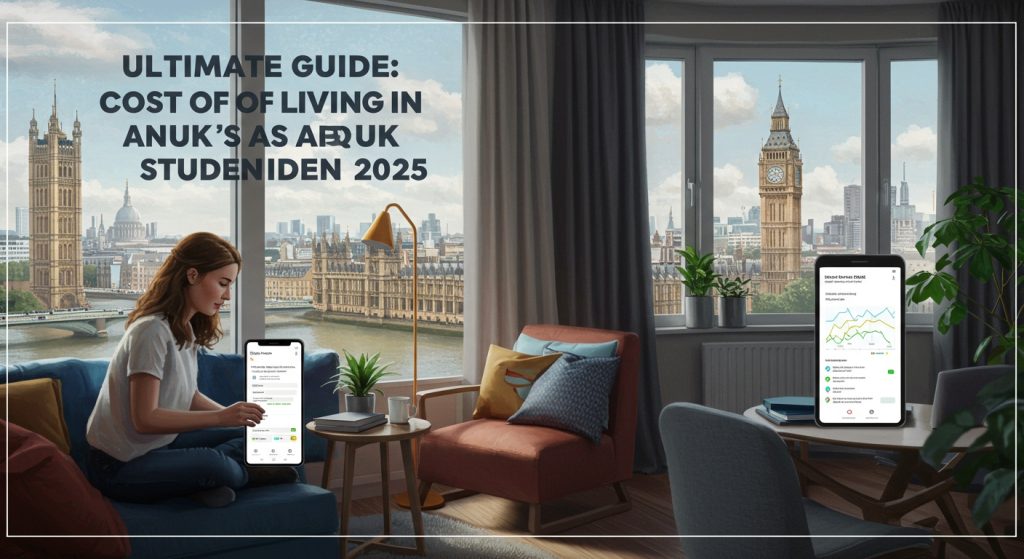
One of the most immediate concerns for anyone considering postgraduate study UK is the financial investment required. Understanding these costs upfront is crucial for planning and making an informed decision. The overall expense can be broken down into two main categories: tuition fees and living expenses.
Tuition Fees: A Variable Cost
Tuition fees for Master’s degrees in the UK vary significantly depending on several factors:
- University Reputation and Location
- Programme of Study
- Student Status (Home vs. International)
Prestigious universities and those in major cities often have higher fees.
STEM subjects (Science, Technology, Engineering, Mathematics) or highly specialised professional courses (e. g. , MBA, Medicine-related) can be more expensive than arts or humanities programmes.
This is the biggest differentiator.
| Student Status | Typical Annual Tuition Fees (Full-time Master’s) | Notes |
|---|---|---|
| Home Students (UK Nationals) | £7,000 – £15,000+ | Generally lower, often capped by government regulations for certain programmes. |
| International Students | £12,000 – £30,000+ (some can exceed £40,000 for top programmes) | Significantly higher, as universities do not receive government subsidies for international students. |
For example, a Master’s in English Literature at a regional UK university might cost a home student around £8,000, while an MBA at a top London business school could easily be £30,000-£50,000 for both home and international students.
Living Expenses: Beyond Tuition
Beyond tuition, you’ll need to budget for living expenses, which cover accommodation, food, transport, textbooks. social activities. These costs are highly dependent on your lifestyle and the city you choose to study in.
- Accommodation
- Food
- Transport
- Books & Supplies
- Personal & Social
This is usually the largest living expense. University halls of residence can range from £100-£200+ per week, while private renting (shared house/flat) in cities like London, Manchester, or Edinburgh will be considerably higher than in smaller towns.
Budgeting £150-£250 per month is a reasonable estimate for groceries if you cook at home.
Public transport passes can range from £50-£100+ per month, depending on the city. Many cities offer student discounts.
While university libraries are excellent resources, some courses may require specific texts. Budget around £300-£500 for the year.
This is highly variable but essential for a balanced student life.
The UK Visas and Immigration (UKVI) requires international students to demonstrate they have sufficient funds for living costs, often setting a minimum of around £1,023 per month outside London. £1,334 per month for London for a 9-month period. This serves as a useful benchmark.
Funding Options: Making it Possible
The good news is that various funding options can help offset these costs:
- Postgraduate Loans
- Scholarships and Bursaries
- University Bursaries
- Part-time Work
- Employer Sponsorship
The UK government offers Master’s loans to eligible home students (and some EU students with settled status) for taught and research Master’s degrees. Currently, this can be up to around £12,000 for the entire course, paid directly to the student.
Universities, charitable organisations. government bodies offer a wide array of scholarships. These can be merit-based, need-based, subject-specific, or for students from particular countries. Always check university websites and external scholarship databases.
Many universities offer their own grants and bursaries, often based on financial need or academic excellence.
Most student visas allow international students to work up to 20 hours per week during term time. Home students have no restrictions. While it can help with living costs, balancing work with an intensive Master’s programme requires careful time management.
Some employers offer to fund or co-fund Master’s degrees for their employees, especially if the qualification is directly relevant to their career progression within the company.
It’s essential to research funding opportunities well in advance of applying, as deadlines can be early.
The Benefits of Postgraduate Study UK: Why Invest?
Beyond the financial considerations, the myriad benefits of pursuing a Master’s degree in the UK are often the driving force for students. It’s an investment in your intellectual capital and future potential.
Enhanced Employability and Career Progression
In today’s competitive job market, a Master’s degree can significantly boost your employability. A report by the Higher Education Statistics Agency (HESA) consistently shows that postgraduate students have better employment outcomes and higher earning potential than those with just an undergraduate degree.
- Stand Out from the Crowd
- Access to Niche Roles
- Career Change
Many entry-level positions now attract a large pool of Bachelor’s graduates. A Master’s demonstrates a higher level of commitment, specialised knowledge. advanced skills, making you a more attractive candidate.
For certain professions (e. g. , research, highly technical fields, some areas of healthcare or education), a Master’s degree is often a prerequisite.
A Master’s can be an excellent way to pivot your career direction, providing the foundational knowledge and skills needed for a new field. For instance, an undergraduate in humanities might pursue an MSc in Data Science to transition into tech.
“Having a Master’s degree from a UK university opened doors for me that my Bachelor’s simply couldn’t,” shares Anya, a recent MSc graduate in Environmental Policy from the University of Leeds. “It wasn’t just the theoretical knowledge. the practical project work and networking that truly made a difference in securing my current role.”
Specialised Knowledge and Expertise
A Master’s degree allows for deep dives into a specific area of interest. You move beyond the broad foundations of an undergraduate degree to become an expert.
- Cutting-Edge Research
- Critical Thinking and Problem Solving
- Contribution to Knowledge
Many programmes are at the forefront of their fields, exposing you to the latest theories, research methods. technological advancements.
The intensive nature of postgraduate study demands advanced critical analysis, independent thought. sophisticated problem-solving skills – highly valued attributes in any professional setting.
Through your dissertation or research project, you have the opportunity to contribute original thought or research to your chosen discipline.
Networking Opportunities
A UK Master’s programme provides unparalleled networking opportunities:
- Academics and Experts
- Peers
- Industry Links
You’ll study under leading academics and researchers, who can become valuable mentors and contacts.
Your cohort will likely be diverse, comprising students from various backgrounds and countries. These connections can form a powerful professional network for life.
Many Master’s programmes have strong ties to industry, offering guest lectures, internships. project collaborations that can lead to job opportunities.
Personal Growth and Global Perspective
Studying for a Master’s is a transformative personal experience.
- Increased Confidence and Independence
- Refined Skills
- Global Outlook
The demands of postgraduate study foster greater self-reliance, resilience. confidence in your abilities.
Beyond academic knowledge, you’ll hone transferable skills such as project management, presentation, written communication. teamwork.
UK universities attract students from all over the world. Studying alongside such a diverse group broadens your perspective and enhances your cross-cultural communication skills.
Future Career Prospects: What Does a Master’s Open Up?
The ultimate goal for many undertaking postgraduate study UK is to enhance their career prospects. A Master’s degree can significantly alter your career trajectory, offering access to higher-level roles, increased earning potential. opportunities in specialised fields.
Higher Earning Potential
Data consistently demonstrates a positive correlation between postgraduate qualifications and higher salaries. According to HESA data, postgraduates in the UK generally earn more than their undergraduate counterparts, particularly a few years into their careers. While the immediate jump might not always be dramatic, the long-term career premium is often substantial. For example, a Master’s graduate might start at a slightly higher salary. their progression to senior roles, with corresponding pay increases, tends to be faster.
Access to Niche Industries and Advanced Roles
Certain sectors and roles almost explicitly require a Master’s degree:
- Research and Development (R&D)
- Academia
- Specialised Consulting
- Healthcare
In fields like pharmaceuticals, engineering. technology, a Master’s is often the minimum entry requirement for R&D positions.
If you aspire to a career as a university lecturer or researcher, a Master’s is the essential stepping stone to a PhD.
Management consultancies often seek candidates with advanced degrees, particularly in fields like finance, strategy, or specific technical domains.
Many advanced practice roles in nursing, allied health professions, or public health require postgraduate qualifications.
Consider the case of bioinformatics. A Bachelor’s in biology or computer science provides a good foundation. an MSc in Bioinformatics from a UK university like the University of Edinburgh or Imperial College London equips graduates with the highly specialised computational and biological skills needed for cutting-edge roles in genomics, drug discovery. personalised medicine. These roles often command higher salaries and offer greater intellectual challenges.
Leadership Roles and Entrepreneurship
The advanced analytical, problem-solving. project management skills developed during a Master’s degree are invaluable for leadership positions. Employers often view postgraduate qualifications as a sign of leadership potential and a capacity for strategic thinking. Moreover, the independent nature of Master’s research can foster an entrepreneurial mindset, equipping graduates with the skills and confidence to launch their own ventures. Many university incubators and entrepreneurship programmes actively support postgraduate students in developing their business ideas.
// Example of a career path with a Master's vs. Bachelor's
// This is illustrative and actual outcomes vary
function compareCareerPaths() { console. log("Career Path without Master's:"); console. log(" - Entry Level: Junior Analyst (£25k-£30k)"); console. log(" - 3-5 Years: Analyst/Senior Analyst (£35k-£45k)"); console. log(" - 7-10 Years: Team Lead/Manager (£50k-£65k)"); console. log("\nCareer Path with Master's (e. g. , MSc in Data Science):"); console. log(" - Entry Level: Data Scientist/Specialist Analyst (£30k-£40k)"); console. log(" - 3-5 Years: Senior Data Scientist/Lead Data Analyst (£50k-£70k)"); console. log(" - 7-10 Years: Principal Data Scientist/Head of Analytics (£75k-£100k+)");
} compareCareerPaths();
The above pseudo-code illustrates a common trend, showing that while initial salaries might not be drastically different, the trajectory for Master’s graduates often leads to more senior, specialised. higher-paying roles over time.
Making the Decision: Is a UK Master’s Degree Right for You?
Deciding whether to pursue a Master’s degree in the UK is a significant personal and financial decision. It requires careful consideration of your career aspirations, academic interests. personal circumstances.
Self-Assessment Questions
Before diving into applications, ask yourself these crucial questions:
- What are my long-term career goals? Does a Master’s directly align with these goals, or is there another path that could achieve them?
- Am I passionate about a specific subject area? Master’s degrees are intensive; genuine interest is key to success.
- Am I prepared for the academic rigour? UK Master’s programmes are demanding and require a high level of independent study and critical thinking.
- How will I fund my studies? Have I thoroughly researched all funding options. do I have a realistic budget for tuition and living costs?
- What is my alternative? Could gaining work experience, professional qualifications, or another pathway be more beneficial at this stage?
Researching Courses and Universities
If you decide to proceed, thorough research is paramount:
- Course Content
- University Reputation
- Location
- Entry Requirements
Don’t just look at the title. Dive into the modules, assessment methods. dissertation topics. Does it genuinely excite you and align with your goals?
While league tables offer a guide, also consider a university’s specific strengths in your chosen field. Speak to current students or alumni if possible.
Consider the cost of living, job market in that city (if you plan to work after graduation). your personal preferences.
Ensure you meet the academic and English language requirements.
Websites like UCAS Postgraduate, FindAMasters. individual university sites are excellent resources for exploring programmes. Attend virtual open days or university fairs to get a feel for the institution and speak directly with faculty.
Considering Alternatives
A Master’s degree isn’t the only path to career success or specialisation.
- Work Experience
- Professional Qualifications
- Apprenticeships
For some fields, gaining practical work experience for a few years after your Bachelor’s degree might be more valuable than immediate postgraduate study. It can also help clarify your career interests before committing to a Master’s.
Industries like accounting, marketing, or project management often have professional certifications (e. g. , ACCA, CIM, PRINCE2) that can enhance your skills and employability without a full Master’s degree.
Higher and degree apprenticeships offer a blend of work and study, allowing you to gain qualifications up to Master’s level while earning a salary and gaining practical experience.
Ultimately, the decision to pursue a UK Master’s degree is highly personal. It offers a unique opportunity for deep specialisation, career advancement. personal growth within a globally respected education system. By carefully weighing the costs against the considerable benefits and conducting thorough research, you can make an informed choice that sets you on the right path for your future.
Conclusion
A UK Master’s degree is less a magic bullet and more a powerful catalyst, demanding a strategic investment that, when approached thoughtfully, can yield substantial returns. In today’s competitive landscape, with sectors like green technology and digital transformation rapidly evolving, employers increasingly value the specialized knowledge and analytical depth a postgraduate qualification offers. My personal advice? Beyond university rankings, deeply scrutinize course modules and their industry relevance. For instance, a former colleague pursuing a Master’s in Artificial Intelligence found that direct industry projects within their programme were far more impactful for securing their first role than simply the university’s prestige. Before committing, meticulously align your chosen program with your long-term career aspirations, treating the degree not just as a qualification. as a focused skill-development and networking opportunity. This proactive approach transforms the significant financial outlay into a tangible career accelerant. For more on maximizing your postgraduate journey, consider how to Elevate Your Career: The Practical Benefits of Postgraduate Study in the UK. With clear vision and diligent effort, your UK Master’s can absolutely be a pivotal, rewarding step towards an impactful and fulfilling professional future.
More Articles
How to Choose the Perfect UK University Course for Your Future Career Path
Your Step-by-Step Guide to a Successful UK University Application Journey
Understanding UK University Rankings: Beyond the Top Spots for Your Study Success
Nail Your UK University Application: Essential Tips for International Students in 2025
Unlocking Your Future: How to Choose the Perfect UK Course for Career Success

FAQs
Is getting a Master’s degree in the UK really worth it these days?
The worth of a UK Master’s degree largely depends on your individual career goals and chosen field. For many, it’s a valuable investment, offering deeper specialisation, enhanced critical thinking skills. expanded professional networks. It can be particularly beneficial for career changes, entry into highly competitive sectors, or progression into leadership roles. But, it’s crucial to research how a Master’s specifically impacts your desired career path.
How much money are we actually talking about for a UK Master’s, including living costs?
The costs vary significantly. Tuition fees for a one-year Master’s can range from around £8,000 to £12,000 for UK students. from £12,000 to £30,000 (or even more for some prestigious courses like MBAs) for international students. On top of that, you need to budget for living expenses, which typically range from £10,000 to £15,000 per year, depending on the city (London being more expensive) and your lifestyle. This includes accommodation, food, transport. personal expenses.
Besides the academic stuff, what are the bigger personal and professional benefits of studying for a Master’s in the UK?
Beyond academic knowledge, a UK Master’s offers immense personal and professional growth. You’ll develop advanced research and analytical skills, learn to manage complex projects. often gain cross-cultural communication abilities from working with diverse classmates. It also significantly expands your professional network through peers, faculty. alumni, which can be invaluable for future career opportunities. Many students also experience significant personal development through independence and immersion in a new culture.
Will a UK Master’s degree actually boost my career prospects when I graduate?
Generally, yes, a UK Master’s can significantly boost your career prospects. It often makes you more competitive in the job market, especially for roles requiring specialised knowledge or advanced skills. Employers often view Master’s graduates as highly motivated, capable of independent work. possessing in-depth expertise. It can open doors to higher-level positions, faster career progression. even facilitate a pivot into a new industry.
Can I expect to earn a higher salary after completing a Master’s in the UK?
In many fields, a Master’s degree does correlate with higher earning potential over the long term. While an immediate significant salary jump isn’t always guaranteed right after graduation, statistics often show that Master’s graduates earn more throughout their careers compared to those with only a Bachelor’s. This is particularly true in sectors like engineering, science, healthcare. finance. But, the salary increase varies widely by industry, role. the specific university and course you choose.
What if I’m an international student? Does a UK Master’s offer the same value and opportunities?
Absolutely! For international students, a UK Master’s often offers even greater value. The global recognition of UK qualifications, coupled with the opportunity to gain international work experience (for those eligible for post-study work visas), can be a huge asset. It provides a global perspective, enhances English language proficiency. builds an invaluable international network, all of which are highly prized by employers worldwide. The UK’s diverse student body also offers a rich cultural experience.
How can I make sure I pick a Master’s program that’s genuinely going to be worth the time and money?
To maximise the return on your investment, thorough research is key. First, align the program directly with your career goals. Look at the specific course content, faculty expertise. the practical components offered (like internships or industry projects). Research the university’s reputation in your chosen field and check alumni success stories. Consider the career services available and the potential for networking. A well-chosen program at a reputable institution that directly serves your aspirations will be the most worthwhile.