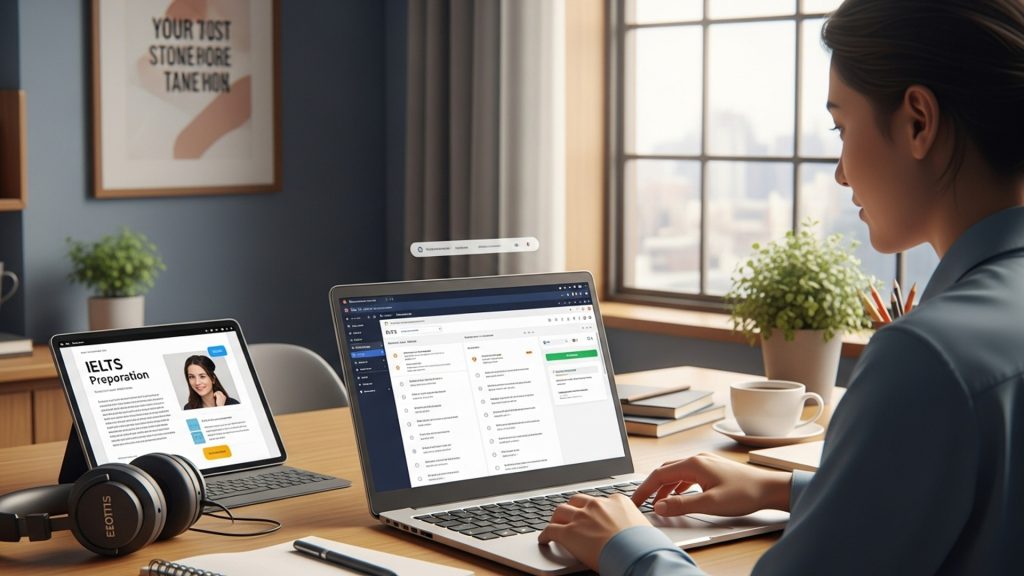
The global shift towards accessible remote testing has made the Ilets online test a critical pathway for many aspirants, yet navigating its unique digital landscape presents distinct challenges. Unlike traditional paper-based exams, success in online IELTS demands more than just language proficiency; it requires mastering technical readiness, optimizing your testing environment. adapting to sophisticated AI proctoring systems. Many candidates overlook the nuances of digital note-taking or the precise microphone etiquette crucial for the speaking module. Understanding these specific requirements, from stable internet connections to quiet, compliant spaces, empowers test-takers to transform potential technical hurdles into strategic advantages, ensuring their performance truly reflects their linguistic abilities.
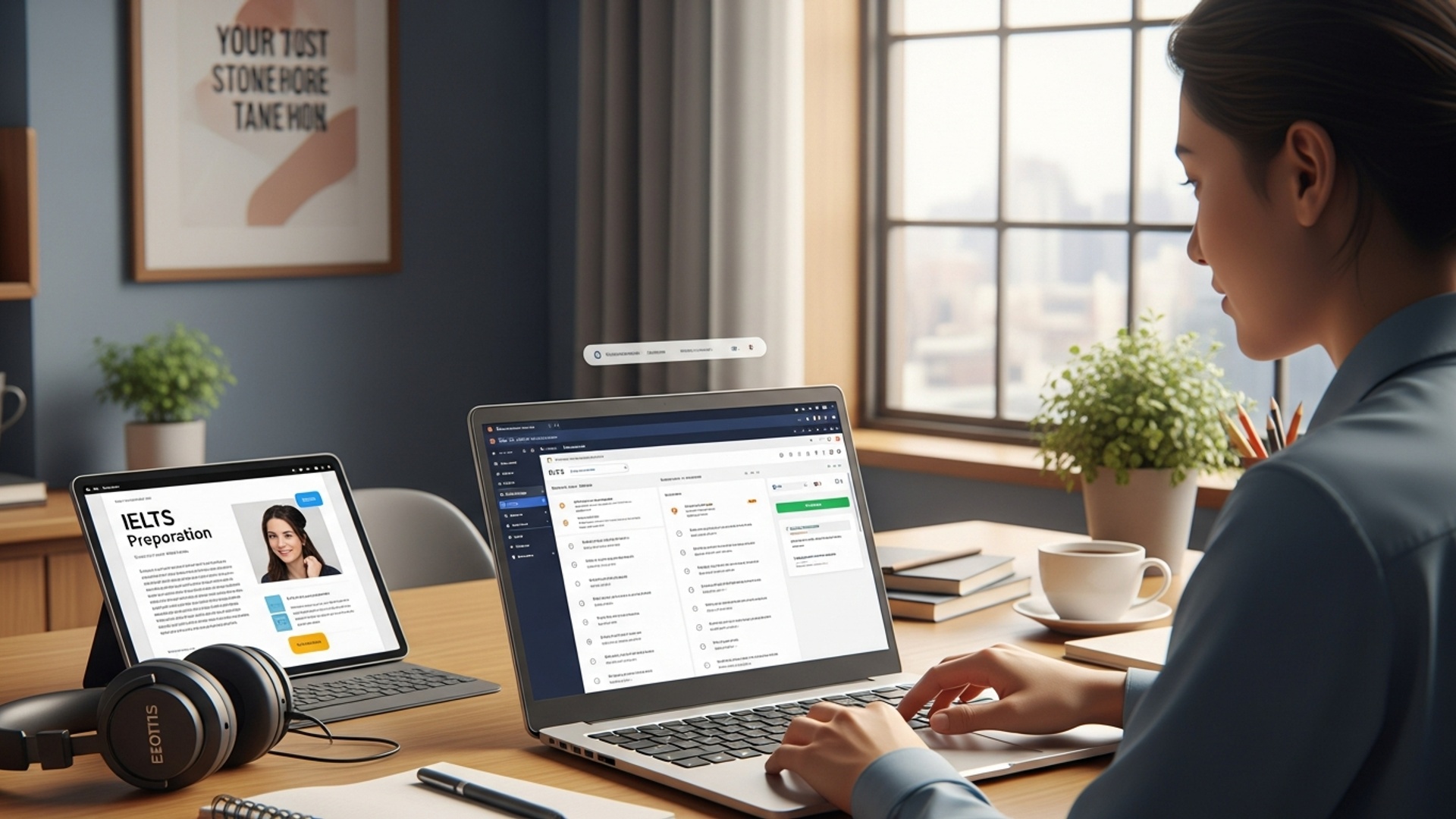
Understanding the Digital Shift: What is the Ilets Online Test?
Hey future global citizens! Are you gearing up for your academic or professional journey abroad? Then you’re likely familiar with the International English Language Testing System (IELTS), the world’s most popular English language proficiency test. But did you know you can now take this crucial exam from the comfort of your home or a secure test center via the digital format? This incredible evolution, often referred to as the Ilets online test, offers unparalleled convenience and flexibility, especially for today’s tech-savvy generation.
So, what exactly is the Ilets online test? It encompasses two primary online formats: IELTS Indicator and IELTS Online. While IELTS Indicator was initially introduced during the pandemic as a temporary measure, offering an indicative score for academic purposes, IELTS Online is a newer, fully secure. globally accepted version of the academic test that can be taken remotely. Both leverage technology to bring the exam experience to you, minimizing travel and maximizing comfort.
At its core, the Ilets online test uses advanced proctoring technology to ensure the integrity and fairness of the examination. This means that while you’re taking the test, you’ll be monitored remotely by trained invigilators (human or AI-assisted) through your webcam and microphone. Key technologies involved include:
- Secure Browsers
- Webcam & Microphone Monitoring
- Artificial Intelligence (AI) Proctoring
- Stable Internet Connection
These specialized browsers lock down your computer, preventing access to other applications, websites, or copy-pasting functions during the exam. Think of it as a digital lockdown to ensure a fair testing environment.
Your webcam will stream video of you and your surroundings to the proctors, while your microphone will capture all audio. This helps prevent cheating and ensures you’re focused solely on the test.
Often, AI algorithms assist human proctors by flagging suspicious activities like unusual eye movements, talking to oneself, or someone entering the room. This makes the monitoring process incredibly efficient and robust.
Naturally, a consistent and reliable internet connection is paramount for uninterrupted streaming of the test interface and proctoring feed.
The shift to the Ilets online test format is a game-changer, making the IELTS more accessible than ever before. It’s designed to mirror the traditional paper-based test experience as closely as possible in terms of content, structure. scoring. with the added benefits of digital efficiency.
Setting Up Your Success Zone: The Technical Essentials
Alright, champions! You’ve decided to conquer the Ilets online test. Fantastic! Now, let’s talk about building your ultimate success zone – the physical and technical setup that will empower you to perform your very best. This isn’t just about having a computer; it’s about optimizing every detail to avoid last-minute jitters.
First, let’s break down the hardware requirements. Think of these as your essential tools:
- Reliable Computer
- External Webcam (Recommended)
- External Microphone
- Headphones (Wired)
You’ll need a desktop or laptop computer. Tablets or mobile phones are generally not permitted. Ensure it’s not ancient; a relatively modern machine (usually Windows 10/11 or macOS 10. 15 or later) with sufficient RAM (typically 4GB+) will run the test software smoothly.
While most laptops have built-in webcams, an external USB webcam often provides better quality and more flexibility in positioning, allowing proctors a clearer view of your workspace.
A good quality external microphone (either standalone or part of a headset) is crucial for the Speaking module. Ensure it picks up your voice clearly without background noise.
For the Listening module, wired headphones are usually mandatory to ensure audio clarity and prevent any external sounds from interfering. Wireless headphones are often prohibited due to potential connectivity issues or hidden communication devices.
Next up, software and system checks. This is where preparation truly pays off:
- Secure Browser Installation
- System Compatibility Check
- Close All Other Applications
Before your test day, you’ll be instructed to download and install a specific secure browser or client software from the official IELTS online provider. This software is specifically designed to create a secure testing environment. Do this well in advance!
The test provider will offer a system check tool. RUN THIS MULTIPLE TIMES! It verifies your internet speed, webcam, microphone. overall system compatibility. Address any flagged issues immediately.
Before starting your exam, close all unnecessary programs, browsers. background applications. Even a seemingly innocent chat app can trigger a proctoring alert.
A stable internet connection is your lifeline. Aim for a minimum speed of 2-5 Mbps download and upload. A wired Ethernet connection is highly recommended over Wi-Fi for maximum stability. Imagine your internet dropping during the Listening module – nightmare fuel! So, secure that connection.
Finally, your environment. This is your personal test sanctuary:
- Quiet Room
- Well-Lit Space
- Clear Desk
- No Distractions
Choose a room where you absolutely won’t be disturbed. Inform family members or housemates about your test schedule.
Ensure your face is clearly visible to the webcam. Natural light is best. a well-positioned lamp works too.
Your desk should be completely clear of notes, books, electronics (except your testing equipment). anything that could be perceived as a prohibited item. Proctors will ask for a 360-degree room scan with your webcam.
Turn off your phone, put away pets. ensure no one else can enter the room. This is your moment to shine!
Here’s a quick checklist to make sure you’re ready for your Ilets online test:
-
[ ]Computer meets minimum specifications. -
[ ]Webcam and microphone tested and working. -
[ ]Wired headphones ready. -
[ ]Secure browser installed and tested. -
[ ]System compatibility check passed. -
[ ]Internet connection stable (preferably wired). -
[ ]Quiet, well-lit. distraction-free room. -
[ ]Desk completely clear.
By meticulously preparing your “success zone,” you eliminate technical anxieties and can fully focus your mental energy on acing the exam!
Navigating the Online Test Interface: A Walkthrough
The beauty of the Ilets online test lies in its familiarity combined with the efficiency of digital delivery. While the content remains the same, navigating the online interface requires a slightly different approach than the traditional paper-based exam. Let’s walk through how to master the digital environment for each module.
First and foremost, familiarization is key! Don’t wait until test day to see the interface for the first time. Most online IELTS providers offer practice tests or tutorials that simulate the actual exam environment. Utilize these resources extensively. They’ll show you how to:
- Move between questions.
- Use any available highlighting or note-taking features.
- Adjust volume settings (for Listening).
- Access the word count (for Writing).
Now, let’s dive into specifics for each module:
Listening Module:
This module requires peak concentration! With wired headphones, you’ll hear the audio clearly. But, remember that you won’t be able to turn pages or physically underline words as in the paper test. Instead:
- Volume Control
- Digital Note-Taking
- Navigation
Ensure your computer’s volume is set appropriately during the system check. The test interface might also have its own volume slider.
You’ll likely be provided with digital scratchpad functionality within the secure browser, or you can use physical scratch paper if allowed (check specific guidelines). Practice typing notes quickly or writing them on paper while listening.
Questions will appear on the screen. you’ll typically click to select multiple-choice answers or type in short responses. Pay attention to the timer!
Reading Module:
The Reading module online means no flipping back and forth between passages and questions. Everything is on screen. This can be a huge advantage for some. a slight adjustment for others:
- Scrolling
- Highlighting & Annotation
- Time Management
Be prepared to scroll through long passages. Practice reading lengthy texts on a screen to build stamina and avoid eye strain.
The online platform may offer digital highlighting or note-taking tools. Learn how to use these effectively. If not, practice making mental notes or jotting down key points on your scratchpad.
It’s easy to get lost in scrolling. Keep a keen eye on the clock and practice moving efficiently through sections.
Writing Module:
For many, this is where the Ilets online test truly shines. Typing your essays means no messy handwriting concerns and easy editing. But, it introduces new considerations:
- Typing Speed
- Word Count
- Editing
- No Spell Check
If you’re not a fast typist, now is the time to practice! You’ll need to type out two essays within 60 minutes. Aim for at least 40-50 words per minute.
The online interface provides an automatic word count, which is a fantastic feature! Use it to ensure you meet the minimum word requirements without manually counting.
The ability to easily cut, copy, paste. backspace is a huge advantage. Use it to refine your arguments and improve sentence structure. Just be careful not to delete large sections accidentally!
Crucially, there is typically no spell-check or grammar-check feature in the secure browser. Your spelling and grammar must be accurate from your own knowledge. Practice proofreading on screen!
Speaking Module:
This module is usually conducted with a live human examiner via video call within the secure browser. This is very similar to a video conference. with specific etiquette:
- Webcam & Microphone Etiquette
- Stable Connection
- Clear Background
Look directly at your webcam when speaking to simulate eye contact with the examiner. Speak clearly and at a natural pace. Ensure your microphone is positioned correctly.
A consistent internet connection is paramount here to avoid lag or dropped calls, which can disrupt your flow and confidence.
Ensure your background is neutral and free from distractions.
To give you a clearer picture, here’s a comparison of how certain features might differ between the traditional paper-based IELTS and the Ilets online test:
| Feature | Paper-Based IELTS | Ilets Online Test |
|---|---|---|
| Note-Taking | Write directly on question paper/answer sheet. | Digital scratchpad or physical scratch paper (check specific rules). |
| Highlighting | Physical highlighter/pen on paper. | Digital highlighting tool (if available on platform). |
| Reading Passages | Flip pages, scan physically. | Scroll through text on screen. |
| Writing Answers | Handwriting on answer sheet. | Typing into text box, automatic word count. |
| Editing Written Work | Crossing out, using correction fluid. | Easy digital editing (cut, copy, paste, backspace). |
| Listening Audio Control | No personal control, played for all. | Personal volume control (within test limits). |
Embrace the digital advantages and practice, practice, practice! You’ll feel like a pro by test day.
Mastering Online Exam Strategies: Tips for Each Module
You’ve got your setup perfect. you’re familiar with the interface. Now it’s time to supercharge your performance with specific strategies tailored for the Ilets online test. Each module presents unique opportunities and challenges in the digital realm.
Listening: Sharpen Your Digital Ears
The Listening module often feels intense because you only hear the audio once. Online, this means being even more prepared:
- Pre-Test Audio Check
- Active Digital Note-Taking
- Anticipate Questions
- Stay Focused
Always use the pre-test audio check to ensure your headphones are working perfectly and the volume is just right. Don’t be shy about adjusting it.
Since you can’t scribble on the question paper, develop a system for quick notes on your provided digital scratchpad or physical paper. Use abbreviations, symbols. keywords. For example, if you hear “university library,” you might quickly type “uni lib” or “UL” to save time.
Use the time before the audio starts to read ahead and grasp what details you need to listen for. This is even more crucial online, as you can’t easily flip back and forth.
Eliminate all potential auditory distractions in your environment. Remember, the proctor is also listening!
Reading: Navigate the Digital Text Like a Pro
Reading on a screen can be different from reading a physical book. Here’s how to master it for your Ilets online test:
- Practice Screen Reading
- Efficient Scrolling
- Digital Highlighting (If Available)
- Time Management Per Passage
Seriously, spend time reading articles, e-books. academic papers on your computer screen. This builds stamina and reduces eye strain.
Don’t just scroll aimlessly. Develop a habit of scanning for keywords and then focusing on relevant sections. Use the scroll bar intelligently.
If the platform provides a highlighting tool, use it strategically to mark key sentences, names, dates, or definitions. Don’t highlight everything; be selective.
Since you have approximately 20 minutes per passage, stick to that. It’s easy to lose track of time when you’re just clicking and scrolling. Set internal alarms or use the on-screen timer diligently.
Writing: Type Your Way to a High Score
This module benefits significantly from the digital format. only if you’re prepared:
- Typing Practice Galore
- Outline Before You Type
- Utilize Word Count
- Proofread on Screen
This cannot be stressed enough. If you’re not a touch typist, start practicing immediately. Websites like TypingClub or Keybr offer free lessons. Your goal is accuracy and speed. My friend Sarah, initially a slow typist, dedicated an hour a day for a month to typing practice and found that her ability to quickly draft and edit essays significantly improved her writing score on the Ilets online test.
Even though you have editing flexibility, a clear outline (either mentally or on your scratchpad) will save you immense time. Plan your paragraphs, main points. supporting details.
Keep an eye on the automatic word counter. It’s a lifesaver for ensuring you meet the minimum word limits without wasting precious minutes counting.
It’s different from proofreading on paper. Practice reading your typed work for grammatical errors, spelling mistakes (since there’s no spell check!). awkward phrasing. Read it aloud in your head if it helps catch errors.
Speaking: Connect Confidently Through the Screen
The Speaking module is your chance to shine verbally, even through a screen:
- Mock Tests with Video
- Maintain “Eye Contact”
- Speak Clearly and Naturally
- Technical Check Beforehand
Practice with friends, tutors, or even record yourself answering IELTS-style questions using your webcam and microphone. Review these recordings to identify areas for improvement in clarity, fluency. pronunciation.
Look at your webcam when you’re speaking. This creates the impression of direct eye contact with the examiner, making you appear more confident and engaged.
The microphone will pick up every sound. Avoid mumbling or speaking too fast. Enunciate your words clearly. Imagine you’re having a natural conversation, just through a screen.
Just before the Speaking module, quickly confirm your microphone and webcam are still working perfectly. A quick “Can you hear me?” to the proctor/examiner (if allowed) can alleviate worries.
By integrating these targeted strategies into your preparation, you’ll not only adapt to the online environment but also leverage its advantages to unlock your best possible score on the Ilets online test.
Beyond the Exam: Troubleshooting and Pre-Test Routines
You’ve prepared, you’ve strategized. what about those unexpected glitches? And how do you ensure you’re in peak condition on test day? A truly successful Ilets online test experience extends beyond just knowing the content; it involves proactive troubleshooting and a solid pre-test routine. Let’s make sure you’re ready for anything!
Common Technical Glitches & How to Mitigate Them:
Even with the best preparation, technology can sometimes throw a curveball. Knowing how to react can save your score:
- Internet Dropout
- Microphone Issues
- Webcam Freeze
- System Crashes
This is perhaps the biggest fear. If your internet disconnects, try to reconnect immediately. The secure browser is usually designed to pick up where you left off once the connection is restored. But, contact the proctor or technical support immediately if you’re unable to reconnect. A wired connection significantly reduces this risk!
If your mic suddenly stops working during the Speaking test, first check your computer’s sound settings. Ensure the correct microphone is selected. If it persists, communicate with the examiner or proctor immediately through the chat function (if available) or by raising your hand.
If your video feed freezes, try briefly unplugging and replugging your external webcam. If it’s a built-in one, you might need to quickly restart the secure browser (if allowed) or contact support.
While rare with a well-maintained computer, a system crash can happen. Most secure browsers have recovery features. Restart your computer and the test application as quickly as possible. Again, immediate communication with the proctor is vital.
Always have the official support contact data (phone number or chat link) for your specific Ilets online test provider readily available before the exam starts. Don’t wait until a problem arises!
Your Ultimate Pre-Test Routine: Day-Of Success
Your mental and physical state on test day is just as essential as your technical setup. Here’s a routine to ensure you’re primed for success:
- The Night Before
- Get Ample Sleep
- Charge Everything
- Final Tech Check
- Prepare Your Space
- Gather ID
- On Test Day (Hours Before)
- Nourish Your Body
- Stay Hydrated
- Light Exercise/Mindfulness
- Avoid Cramming
- Log In Early
Aim for 7-9 hours of quality sleep. A fresh mind is a sharp mind.
Ensure your laptop is fully charged. If you’re using a desktop, ensure all power cables are secure.
Do a quick check of your internet connection, webcam. microphone. Don’t install any last-minute updates!
Clear your desk and ensure your room is tidy and ready for the 360-degree scan.
Place your valid identification (passport or national ID) exactly where you’ll need it for verification.
Eat a balanced meal that will sustain you without making you feel too heavy or sluggish. Avoid excessive caffeine or sugary snacks that can lead to crashes.
Keep a permitted clear bottle of water nearby.
A short walk or some deep breathing exercises can help calm nerves and improve focus.
At this point, trust your preparation. A quick review of key concepts or strategies is fine. don’t try to learn anything new.
Always log into the test platform at least 15-30 minutes before your scheduled start time to complete identity verification and any final system checks.
Actionable Takeaway: Create Your Personal Pre-Test Checklist!
Before your Ilets online test, print out or write down a checklist like this and tick off each item. It provides peace of mind and ensures no crucial step is missed:
IELTS Online Test Day Checklist: [ ] Woke up well-rested (7-9 hours sleep). [ ] Had a nutritious breakfast. [ ] Hydrated with water. [ ] Valid ID (passport/national ID) ready. [ ] Laptop/desktop fully charged/powered. [ ] Wired internet connection confirmed. [ ] Webcam and microphone tested. [ ] Wired headphones ready. [ ] Desk cleared of all prohibited items. [ ] Room quiet and free from distractions. [ ] All background applications closed. [ ] Logged into test platform 15-30 minutes early. [ ] Proctoring software successfully launched. [ ] Emergency support contact details saved. By meticulously preparing your environment, your technology. yourself, you empower yourself to tackle the Ilets online test with confidence and achieve the excellent score you deserve. You’ve got this!
Conclusion
Ultimately, unlocking your best IELTS score online isn’t merely about linguistic prowess; it’s about mastering the digital environment. Success hinges on more than just your English; it demands a proactive approach to technology and strategy. My personal tip: don’t just check your internet stability, microphone clarity. quiet environment on test day; conduct a full-length simulated exam beforehand, ensuring you’re comfortable conversing with a screen as much as with an examiner. This adaptability to the evolving landscape of digital assessments is your true edge. I’ve seen candidates stumble not on their English. on technical glitches or unfamiliarity with the online platform itself, highlighting why comprehensive preparation, encompassing both language and tech, is paramount. Embrace this modern format, practice diligently with the tools you’ll use. approach your exam with confidence, knowing you’re ready to shine in the global digital arena.
More Articles
Discovering Top English-Taught Bachelor’s Programs in Europe for Global Students
Your Essential Step-by-Step Guide to Applying for UK Universities Smoothly
Is a UK Master’s Degree Worth It? Your Practical Guide to Postgraduate Study in 2025
How to Decipher UK University Rankings for Your Future Career Path
How Columbia University Shapes Sustainable Urban Futures and Global Leadership for Tomorrow

FAQs
Is taking the IELTS online really that different from the paper-based one?
While the content and scoring are identical, the online experience requires familiarity with typing your answers and speaking into a microphone. It’s less about different content and more about adapting to the digital format, like managing screen time and navigating the test interface effectively.
What kind of tech setup do I absolutely need for a smooth online IELTS?
You’ll need a reliable computer (laptop or desktop, no tablets/phones) with a stable internet connection, a working webcam. a clear microphone. Make sure your operating system and browser are up to date. Testing your equipment thoroughly beforehand is a must!
Where’s the best place to take the online IELTS to avoid distractions?
Find a quiet, well-lit, private room where you won’t be interrupted. Clear your desk of anything not allowed and inform family or housemates about your test schedule. A calm, distraction-free environment is key for maintaining focus and concentration.
What if my internet goes out during the exam or my computer crashes?
Don’t panic! Most online IELTS platforms have robust systems to handle minor disruptions. You should immediately contact the proctor or support team. Often, you can resume where you left off. it’s crucial to follow their instructions quickly.
Any specific tips for the writing section when typing instead of writing by hand?
Absolutely! Practice typing essays to get your speed up and avoid typos. Use the word count feature available in practice tests to monitor your progress. Also, learn to quickly navigate and edit text on screen, as this can save precious minutes during the exam.
How can I nail the speaking part when it’s through a computer and not face-to-face?
Even though it’s online, you’ll still be speaking with a live examiner via video call. Practice speaking clearly and at a natural pace into your microphone. Maintain good eye contact with your webcam, just as you would with a person, to project confidence and engagement.
What should I do right before the exam starts to ensure I’m ready?
Log in early to complete all pre-test checks. Have your ID ready. Ensure you’ve had enough sleep, a light meal. used the restroom. Take a few deep breaths to calm your nerves. Being physically and mentally prepared makes a huge difference.