
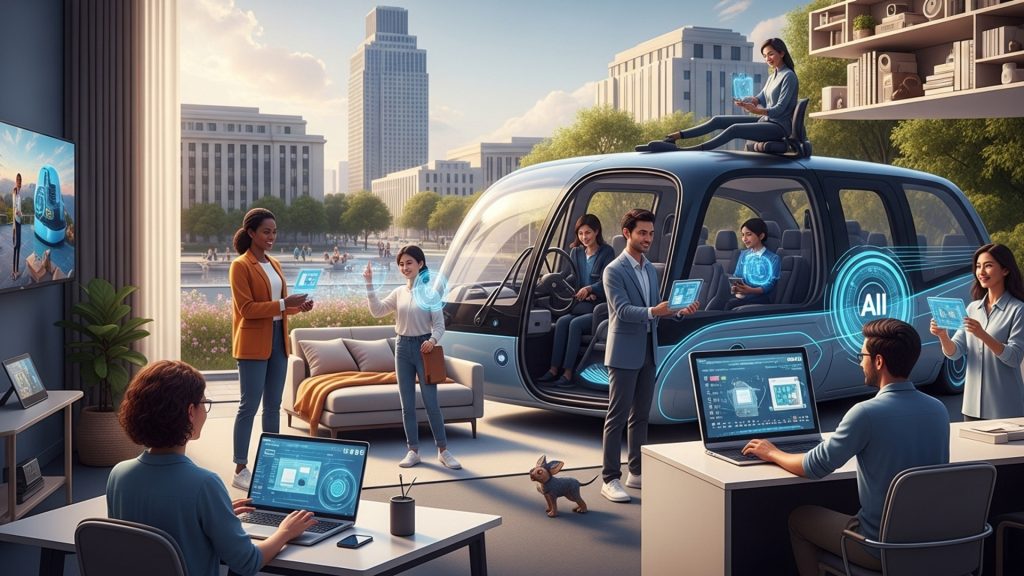
The artificial intelligence revolution, often perceived as confined to abstract algorithms, is rapidly materializing into tangible solutions that reshape daily existence. The Massachusetts Institute of Technology, a global nexus of innovation, actively spearheads this transition, moving groundbreaking AI research from laboratory simulations to practical, impactful deployments by 2025. Imagine personalized healthcare diagnostics predicting risks years in advance, or autonomous domestic robots seamlessly managing household tasks, powered by advanced machine learning. MIT’s pioneering work in explainable AI and robust deep learning models ensures these innovations are not only powerful but also reliable and integrated, driving breakthroughs from sustainable energy management to intelligent urban infrastructures.
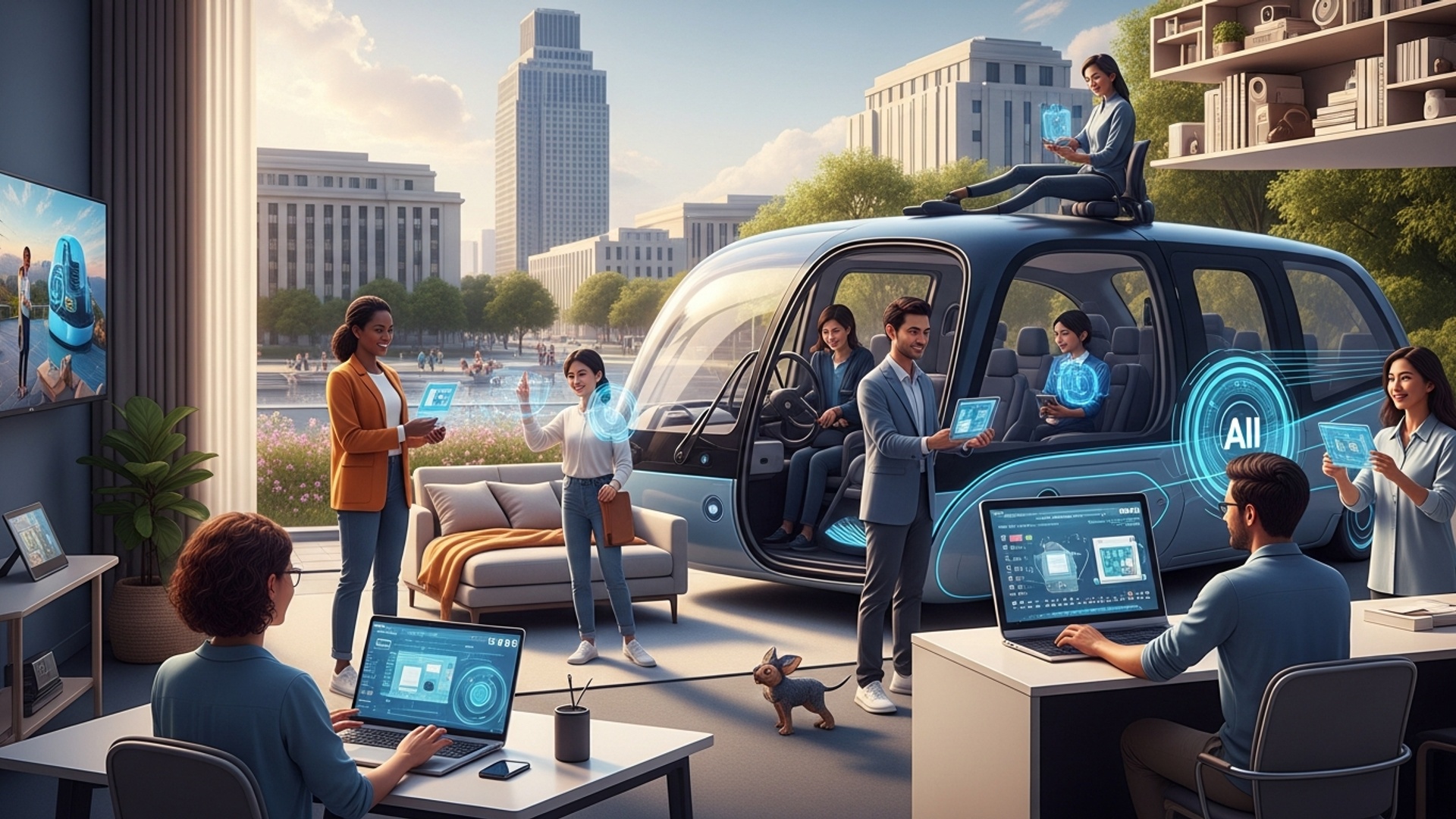
Understanding AI: It’s Not Just Sci-Fi Anymore
Ever scrolled through a personalized feed on social media, or had a streaming service suggest the perfect show you didn’t even know you wanted to watch? That’s Artificial Intelligence (AI) at work, right there in your everyday life. But what exactly is AI. why is the Massachusetts Institute of Technology at the forefront of bringing even more incredible innovations to us by 2025?
Think of AI as a computer system designed to perform tasks that typically require human intelligence. This includes things like understanding language, recognizing images, making decisions. even learning from experience. It’s not just robots taking over the world (though some cool robots do use AI!) , it’s about making our lives easier, safer. more efficient.
- Artificial Intelligence (AI): The broad field of computer science that enables machines to perform human-like cognitive functions.
- Machine Learning (ML): A subset of AI where systems learn from data, identify patterns. make decisions with minimal human intervention. Imagine teaching a computer to recognize cats by showing it thousands of cat pictures!
- Deep Learning (DL): A more advanced form of ML that uses “neural networks” – structures inspired by the human brain – to process complex patterns in data, like recognizing faces or understanding speech. This is what powers many advanced AI applications today.
The beauty of these technologies is their ability to learn and adapt. Instead of being explicitly programmed for every single scenario, they can figure things out themselves. This capability is what allows institutions like the Massachusetts Institute of Technology to push boundaries, developing AI that can tackle real-world problems from diagnosing diseases to optimizing city traffic.
AI in Healthcare: Smarter Ways to Stay Healthy
Imagine a world where diseases are caught earlier, treatments are perfectly tailored for you. new medicines are discovered at lightning speed. This isn’t a distant dream; it’s a reality being shaped right now by AI, with significant contributions from the Massachusetts Institute of Technology.
MIT’s researchers are actively working on AI systems that can assist doctors and scientists in powerful ways:
- Early Disease Detection: AI can assess medical images (like X-rays or MRI scans) or even patient data to spot subtle signs of illness that a human eye might miss. For example, AI algorithms developed at MIT have shown promise in detecting early signs of breast cancer or predicting the risk of heart disease from eye scans.
- Personalized Medicine: Every person is unique. so should their treatment. AI can sift through vast amounts of genetic data, medical history. treatment responses to recommend the most effective therapies for an individual, minimizing side effects and maximizing recovery.
- Drug Discovery: Developing new drugs is incredibly time-consuming and expensive. AI can simulate how different molecules interact, predict potential drug candidates. even accelerate the testing process, bringing life-saving medications to market faster.
Think about a personal story: My friend’s aunt recently had a routine check-up. An AI-powered diagnostic tool, similar to those being researched at the Massachusetts Institute of Technology’s J-Clinic, analyzed her blood work and flagged a very slight anomaly that wasn’t immediately obvious. Further investigation revealed a very early stage condition, allowing for timely intervention and a much better prognosis. This isn’t just theory; it’s happening, making healthcare more proactive and personalized.
Making Our Cities Smarter: AI for Everyday Living
Our cities are complex ecosystems. AI is becoming the brain that helps them run smoother, greener. safer. From how you get to school to how your home uses energy, AI innovations from the Massachusetts Institute of Technology are making a huge difference.
- Smart Transportation: Picture traffic lights that adapt to real-time traffic flow, reducing congestion and cutting down commute times. Or autonomous vehicles that navigate safely and efficiently, reducing accidents. MIT’s Computer Science and Artificial Intelligence Laboratory (CSAIL) is a global leader in developing the AI algorithms that power self-driving cars and intelligent urban mobility systems.
- Energy Management: AI can predict energy demand based on weather patterns and user behavior, optimizing power distribution and reducing waste. This means more sustainable cities and lower energy bills for everyone.
- Urban Planning and Infrastructure: AI can review urban data to help city planners make better decisions about where to build new infrastructure, how to manage waste, or how to respond to emergencies. It can even predict wear and tear on roads and bridges, allowing for proactive maintenance.
Let’s look at a comparison of traditional vs. AI-powered urban systems:
| Feature | Traditional System | AI-Powered System (e. g. , MIT Research) |
|---|---|---|
| Traffic Lights | Fixed timings, often leading to unnecessary waits and congestion. | Dynamic, real-time adjustments based on traffic sensors, optimizing flow. |
| Energy Grid | Reactive to power outages, less efficient distribution. | Predictive maintenance, optimized supply/demand balancing, integrates renewables seamlessly. |
| Waste Management | Fixed collection routes, potentially inefficient or overflowing bins. | Optimized routes based on sensor data from bins, reducing fuel consumption and costs. |
This shows how AI isn’t just an upgrade; it’s a transformation in how our cities function, making them more resilient and user-friendly.
Learning with AI: A New Era for Education
Imagine a tutor who knows exactly where you’re struggling, adapts to your unique learning style. helps you master subjects at your own pace. That’s the promise of AI in education. the Massachusetts Institute of Technology is at the forefront of making this a reality for students everywhere.
AI isn’t here to replace teachers but to empower them and personalize the learning experience for students:
- Personalized Learning Platforms: AI can review your performance, identify your strengths and weaknesses. then recommend specific resources, exercises, or explanations tailored just for you. This means no more “one-size-fits-all” education.
- AI Tutors and Mentors: These systems can provide instant feedback, answer questions. guide you through complex topics. They can even help you practice skills, whether it’s solving math problems or learning a new language.
- Content Creation and Curation: AI can help educators create engaging learning materials, summarize complex texts, or even generate practice questions, saving time and making content more accessible.
The Massachusetts Institute of Technology, through initiatives like MIT Open Learning, has been exploring how AI can democratize education, making high-quality learning accessible to anyone, anywhere. For instance, an AI might observe your progress on a coding assignment and, if it detects you’re stuck, offer a hint or direct you to a relevant tutorial, much like this conceptual interaction:
 // User is trying to write a Python function for calculating factorial
User Input:
def factorial(n): if n == 0: return 1 else: return n factorial(n-1) // AI analyzes code and identifies potential for optimization or a common misconception
AI Feedback:
"Great start! Your recursive function is correct. For very large 'n', a common issue can be recursion depth limits. Have you considered an iterative approach for better performance?"
This kind of instant, intelligent feedback can be a game-changer for learning complex subjects, helping you grasp concepts faster and more deeply.
AI in Your Pocket: Personal Assistants and Beyond
Your smartphone is already pretty smart. by 2025, AI innovations from the Massachusetts Institute of Technology promise to make it an even more powerful and intuitive companion, seamlessly integrated into your daily life.
- Advanced Voice Assistants: Beyond just setting alarms, future AI assistants will comprehend context better, anticipate your needs. even hold more natural conversations. Imagine an assistant that not only tells you the weather but also suggests you bring an umbrella because it knows you’re heading to an outdoor event later.
- Personalized Recommendations: This goes beyond just movies. AI can help you discover new hobbies, learning opportunities, or even suggest local events based on your interests and past activities, truly tailoring your digital experience.
- Mental Health and Well-being Apps: AI-powered apps can provide personalized support for mental wellness, offering guided meditations, mood tracking. even connecting users with resources, all while maintaining privacy and ethical guidelines that MIT researchers are actively exploring.
Think about this scenario: You’re feeling a bit overwhelmed with schoolwork and your schedule. Your AI assistant, leveraging insights from the Massachusetts Institute of Technology’s research into human-AI interaction, notices a pattern in your calendar and app usage. It might suggest a short break, offer to re-prioritize a non-urgent task, or even gently remind you to take a walk based on your past preferences for de-stressing. This isn’t just automation; it’s proactive, empathetic assistance that understands your personal context.
The Future is Now: Ethical AI and You
As AI becomes more integrated into our lives, it’s super crucial to think about how it’s built and used. The Massachusetts Institute of Technology isn’t just focused on creating powerful AI; it’s also deeply committed to developing AI that is fair, transparent. respectful of privacy – what we call “Ethical AI.”
Here are some key considerations:
- Bias in AI: AI learns from data. If that data reflects existing human biases (e. g. , in hiring practices or medical diagnoses), the AI can unfortunately learn and perpetuate those biases. MIT researchers are working on ways to identify and mitigate bias in AI algorithms to ensure fairness for everyone.
- Privacy and Data Security: AI often needs a lot of data to learn. Ensuring that this data is collected, stored. used responsibly, protecting your personal details, is a critical challenge that institutions like MIT are addressing.
- Transparency and Explainability: Sometimes, AI makes decisions in ways that are hard for humans to comprehend – like a “black box.” Ethical AI aims to be more transparent, allowing us to grasp why an AI made a particular decision.
As young adults, you are not just users of AI; you are the future developers, policymakers. critical thinkers who will shape its evolution. Here’s what you can do:
- Stay Curious: Keep learning about how AI works and its potential impacts. The more you comprehend, the better equipped you’ll be to navigate this evolving landscape.
- Ask Questions: When you encounter an AI system, ask yourself: How was this built? Is it fair? Whose data is it using?
- Consider a Career in AI: If you’re fascinated by these possibilities, consider exploring fields related to AI, data science, or ethics. The Massachusetts Institute of Technology offers numerous programs and research opportunities that could put you at the forefront of this exciting domain.
The AI future by 2025, driven by groundbreaking work at places like the Massachusetts Institute of Technology, is one where technology serves humanity in profound ways. By understanding its potential and contributing to its responsible development, you can help ensure it’s a future that benefits everyone.
Conclusion
The journey beyond the lab truly shows that MIT’s AI innovations aren’t distant concepts but tangible realities shaping our daily lives by 2025. We’re moving from theoretical breakthroughs to practical applications, evident in everything from personalized learning platforms adapting to individual student needs, to predictive maintenance systems optimizing city infrastructure and reducing waste. This isn’t just about faster processes; it’s about creating more intuitive, efficient. responsive environments. My personal tip for navigating this exciting future is to cultivate an “AI-aware” mindset. Start by understanding how AI already influences your daily tech interactions, then consider exploring a foundational course or workshop, much like grasping a new language. This proactive engagement empowers you to not merely observe. to actively participate in. even steer, the advancements unfolding around us. As intelligent systems become integral to our routines, the opportunity to innovate and improve life through technology is limitless. Be ready to embrace these transformative tools and contribute to a smarter, more connected world.
More Articles
Master Tomorrow’s Tech: Practical AI Skills Inspired by MIT’s Leading Innovations
Fuel Your Innovation: Entrepreneurial Mindset Lessons from Stanford’s Tech Ecosystem
Build Better Cities: Sustainable Urban Living Strategies Inspired by UCL’s Research
Elevate Your Leadership: Practical Decision-Making Insights from Harvard’s Elite Thinkers

FAQs
What exactly does ‘Beyond the Lab’ mean for MIT’s AI innovations?
It signifies MIT’s commitment to translating cutting-edge AI research from theoretical concepts into tangible, practical applications that will seamlessly integrate into our daily lives. The focus is on impactful solutions rather than just academic breakthroughs.
Can you give some examples of the practical AI innovations we might see by 2025?
Certainly! We’re talking about things like highly personalized learning systems that adapt to individual students, AI-powered tools for more efficient energy management in homes, smarter health monitoring devices providing early insights. even advanced material design for sustainable products.
Will these new AI tools be difficult for the average person to use?
Not at all. A core principle for these innovations is user-friendliness and accessibility. The goal is for AI to simplify and enhance everyday tasks without requiring specialized technical knowledge. They’re designed to be intuitive and integrate naturally.
How soon can we expect to experience these AI advancements in our daily routines?
The timeline is quite near! MIT is specifically focused on bringing these practical innovations to everyday life by 2025. This means many projects are already in advanced development stages, nearing public release and widespread adoption within the next couple of years.
Are these just futuristic gadgets, or will they make a real difference in people’s lives?
They are absolutely intended to make a real, tangible difference. The emphasis is on solving genuine problems, whether it’s improving personal well-being, boosting productivity, making environments more sustainable, or enhancing educational outcomes. These aren’t just novelties; they’re designed as essential problem-solvers.
How is MIT ensuring these AI innovations are developed responsibly and ethically?
MIT places a strong emphasis on responsible AI development. This includes rigorous research into AI ethics, ensuring fairness, transparency. robust security measures are built into the systems from the ground up. The aim is to create AI that benefits society without unintended drawbacks.
What makes MIT’s approach to bringing AI to everyday life unique?
MIT’s unique strength lies in its interdisciplinary collaboration, bringing together experts from diverse fields like computer science, engineering, health. urban planning. This holistic approach ensures that innovations are not only technologically advanced but also deeply understood in their real-world context, making them truly applicable and impactful for everyday use.