Stepping into French student life extends far beyond lecture halls; it immerses you in a complex tapestry of daily interactions and cultural nuances. Navigating Paris’s bustling metro or understanding the subtle art of la bise presents immediate, real-world challenges often overlooked in academic planning. International students currently grapple with evolving administrative processes, from securing a carte de séjour amidst digital transitions to deciphering local social codes at a neighborhood boulangerie. Successfully integrating into this vibrant environment requires more than linguistic proficiency; it demands an active engagement with France’s unique rhythm, from participating in student associations to appreciating the nuanced approach to leisure and public discourse.
The First Steps: Settling into French Life
Arriving in France as a student is an exhilarating experience, often a mix of excitement and a touch of apprehension. Beyond the initial thrill, there’s a practical side to settling in that every international student must navigate. One of the first hurdles often involves administrative tasks, which can feel daunting in a new language and system. Think of it as your first real-world French lesson!
- Visa & Residency Permits
- Accommodation
- Banking
- Mobile Phone
Before you even leave, ensure your student visa is in order. Once in France, you’ll likely need to validate your visa online (often via the OFII website) or apply for a Titre de Séjour. This is crucial for legal residence.
Whether you’re in university residences (like those managed by CROUS), a private apartment, or a shared flat (colocation), securing your housing is paramount. Be prepared for landlords asking for guarantors (a person or entity who agrees to pay your rent if you can’t). consider services like VISALE if you don’t have a French guarantor.
Opening a French bank account is essential for daily transactions, receiving scholarships. paying bills. Major banks like Société Générale, BNP Paribas, or Crédit Agricole have student-friendly offers. It might take a few days, so plan ahead.
Getting a local SIM card (from providers like Free Mobile, Orange, SFR, Bouygues Telecom) is quick and affordable, making communication and internet access much easier.
An early anecdote from many students involves the “bureaucracy dance.” Imagine trying to explain your housing situation in broken French to a bank clerk, only to realize you forgot a crucial document! It’s all part of the journey and a fantastic way to practice your French under pressure. The more proactive you are in gathering documents and understanding processes, the smoother this transition will be, setting a positive tone for your overall student life France experience.
Mastering Daily Essentials: Navigating French Practicalities
Once the initial paperwork is underway, daily life in France requires a new set of skills, from getting around to feeding yourself. This is where your independence truly blossoms and you start to feel like a local.
- Transportation
- Metro, Bus, Tram
- Biking
- SNCF (Trains)
- Grocery Shopping
- Supermarkets
- Local Markets (Marchés)
- Bakery (Boulangerie)
- Budgeting & Finance
- Student Discounts
- CAF (Caisse d’Allocations Familiales)
- Healthcare
- Sécurité Sociale
- Mutuelle
- Social Etiquette
- Greetings (La Bise)
- “Bonjour” & “Merci”
- Punctuality
- Food & Drink Culture
- Meal Times
- L’Apéro
- Café Culture
- Language Immersion
- Speak Up
- Engage with Locals
- Media
- Art & History
- Museums & Galleries
- Historical Sites
- University Clubs & Associations
- International Student Groups
- Language Exchange Partners (Tandem)
- Local Interactions
- Part-time Jobs & Volunteering
- Culture Shock
- Acknowledge It
- Seek Support
- Embrace the New
- Homesickness
- Stay Connected
- Create Familiarity
- Explore Locally
- Administrative Support
- University International Office
- CROUS
- Local Associations
- Safety & Emergency
- Emergency Numbers
112(European emergency number – connects to all services)
15(SAMU – Medical emergencies)
17(Police)
18(Firefighters)
- Personal Safety
- Exploring Your City
- Hidden Gems
- Cultural Events
- Weekend Getaways
- Regional Exploration
- Bus Travel
- Carpooling (Covoiturage)
- Hobbies & Interests
- Sports Clubs
- Art & Music Classes
- Volunteering
- Travel Within Europe
- Budget Airlines
- Interrail/Eurail Pass
French cities boast excellent public transportation networks.
Most cities have integrated systems. Invest in a monthly or annual pass (e. g. , Navigo in Paris, TBM in Bordeaux). Student discounts are often available.
Many cities offer public bike-sharing schemes (like Vélib’ in Paris or Vélos en Libre Service elsewhere) which are perfect for short distances and experiencing the city.
For inter-city travel, SNCF is your friend. Look into a Carte Jeune (Youth Card) if you’re under 28, which offers significant discounts on train tickets.
This is a cultural experience in itself!
Chains like Carrefour, Auchan, Monoprix, Franprix. Lidl are ubiquitous. You’ll find everything you need, often at competitive prices.
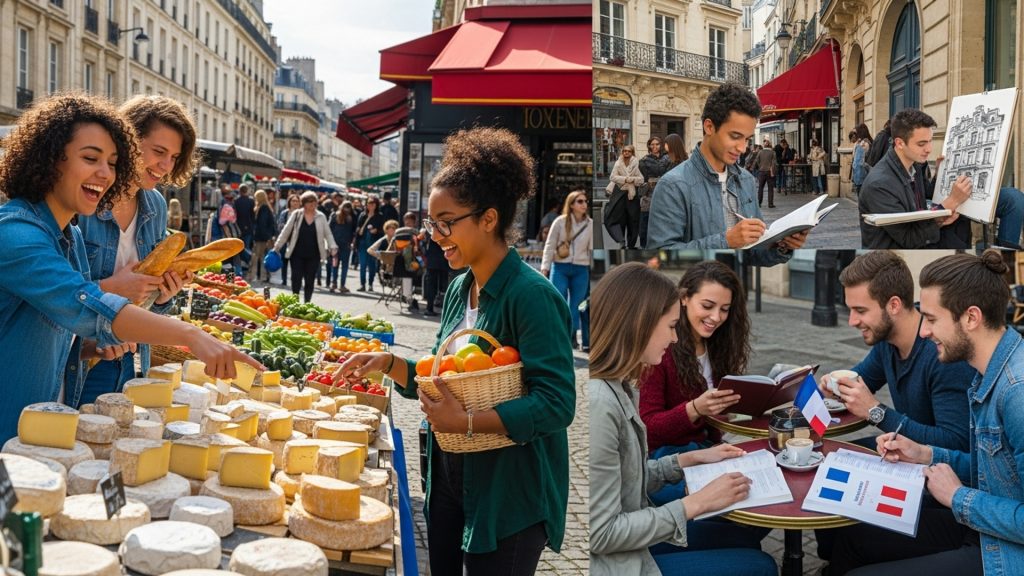
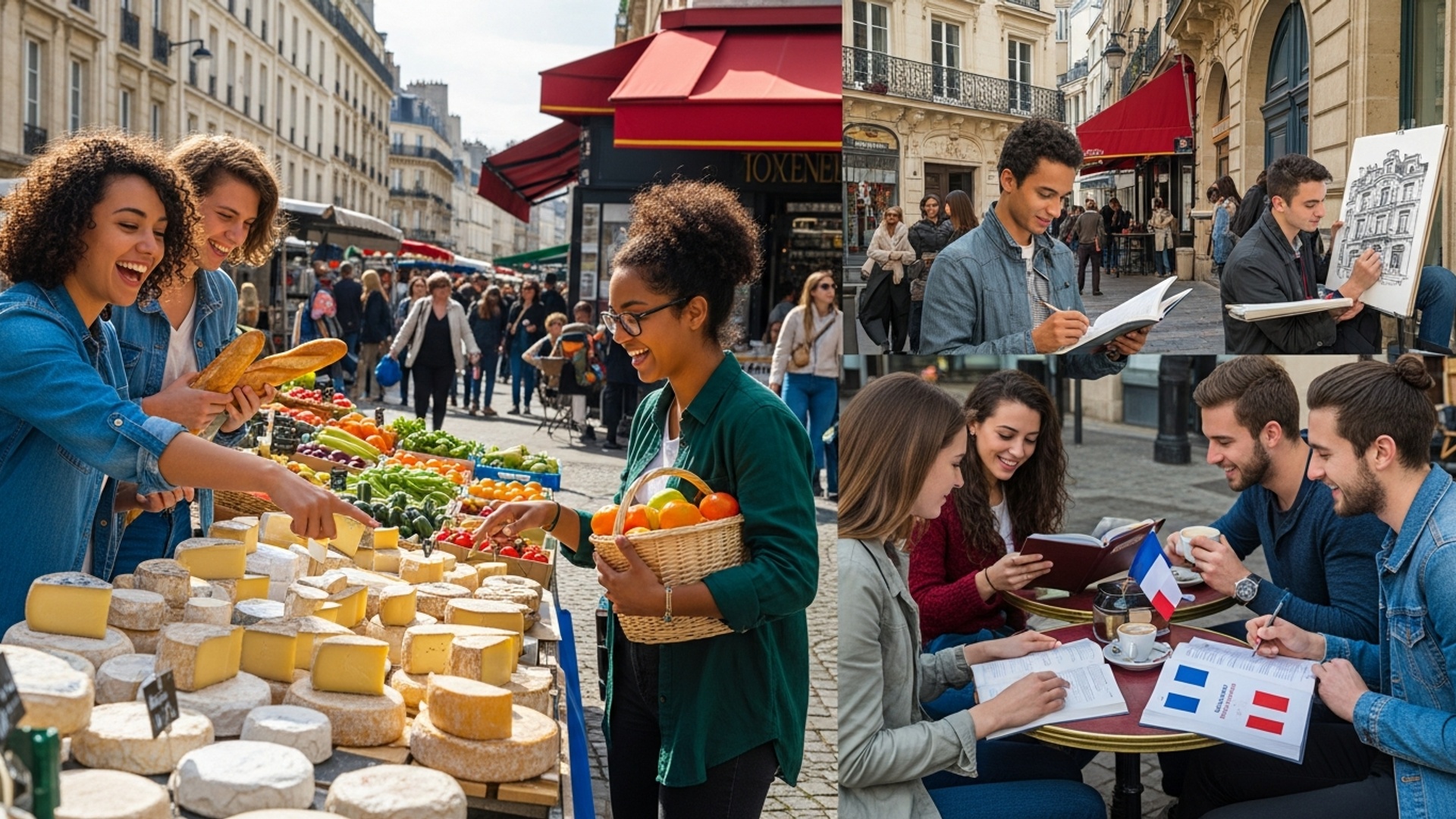
For fresh produce, cheese. a true taste of French life, visit your local market. It’s not just shopping; it’s a social event. Don’t be shy to try a few words of French with the vendors!
A daily ritual for fresh bread, croissants. pastries.
Managing your money is key.
Always ask! Your student card can get you discounts on museums, cinemas, public transport. even some restaurants.
Many students, including international ones, are eligible for housing aid (APL). It’s a bureaucratic process but worth the effort, as it can significantly reduce your rent.
France has an excellent healthcare system.
As a student, you’ll generally be affiliated with the national health insurance system. This covers a significant portion of your medical costs. Registration is usually done online.
This is supplementary health insurance that covers the remaining portion not reimbursed by the Sécurité Sociale. Many students opt for one. some universities have partnerships.
A common scenario for students is the first trip to a French supermarket. You might marvel at the variety of cheeses and yogurts, or perhaps struggle to find that one specific ingredient you’re used to from home. Learning to decipher labels and understanding French product names quickly becomes part of the adventure, enriching your student life France experience far beyond the classroom.
Embracing French Culture: Beyond the Stereotypes
French culture is rich, nuanced. wonderfully diverse. Moving beyond the classroom means immersing yourself in the daily rhythms and unwritten rules of French society.
Get ready for cheek kisses! The number of kisses varies by region (usually two, sometimes three or four). Observe what others do. A handshake is common in more formal settings.
These are non-negotiable. Always say “Bonjour” when entering a shop, addressing someone, or starting a conversation. “Merci” when leaving or receiving something.
While showing up exactly on time for a social gathering might be considered a bit eager, being excessively late is not appreciated. For formal appointments, always be on time.
Food is central to French life.
Lunch is typically 12:00-14:00, dinner 19:00-21:00 (often later in the south). Eating outside these hours can be challenging, especially for sit-down meals.
The “aperitif” is a pre-dinner drink with snacks, a cherished social ritual. It’s a fantastic way to unwind and socialize.
Spending time at a café, sipping coffee, reading, or people-watching, is a quintessential French experience.
Your classes are a start. real fluency comes from daily interaction.
Don’t be afraid to make mistakes. French people generally appreciate the effort.
Try ordering your coffee, asking for directions, or chatting with shopkeepers in French.
Watch French TV shows, listen to French radio. read French newspapers or books.
France is a treasure trove of culture.
Many offer free entry or significant discounts for students (e. g. , Louvre, Musée d’Orsay, Centre Pompidou). Take advantage!
Explore cathedrals, châteaux. ancient ruins. There’s history on every corner.
A personal observation often shared by students is the initial surprise at the formal “vous” versus informal “tu” distinction. Knowing when to use which can feel like a linguistic minefield. observing and asking (when appropriate) quickly clarifies things. Mastering these cultural nuances is a significant part of embracing your student life France, transforming you from a visitor into someone truly integrated.
Building Your Social Network: Connecting in a New Land
One of the most enriching aspects of student life in France is the opportunity to build a diverse social network. While language can be a barrier initially, there are numerous avenues to meet both local and international friends.
Your university will likely have a plethora of student associations catering to various interests – sports, arts, environmental causes, humanitarian aid, or even specific academic fields. Joining these is a fantastic way to meet like-minded individuals, both French and international. Many universities also have specific “buddy” programs that pair international students with local ones.
Organizations like ESN (Erasmus Student Network) are active in many French cities. They organize social events, trips. cultural activities specifically for international students, making it easy to connect with others who are also new to the country.
Websites and university notice boards often facilitate language exchange meetups. You can find someone looking to practice English (or another language) while helping you with your French. It’s a win-win for cultural exchange and friendship.
Don’t underestimate the power of everyday encounters. Strike up conversations with your neighbors, the barista at your favorite café, or fellow students in your classes. Even a simple “Bonjour, ça va?” can open doors.
If your visa allows, a part-time job (e. g. , in a café, shop, or as a language tutor) is an excellent way to practice French, earn some extra money. meet French colleagues. Volunteering for local charities or events also offers a unique way to contribute to the community and expand your social circle.
A common tale involves an international student who joined a local hiking club. Initially, they struggled with the French conversations during the treks. over time, their language improved dramatically. they formed deep friendships with their French companions, discovering hidden trails and regional specialties together. This demonstrates how actively participating in local activities can truly transform your student life France experience, leading to unforgettable connections.
Navigating Challenges & Resources: Support Systems in France
While student life in France is incredibly rewarding, it’s also natural to encounter challenges. Whether it’s culture shock, homesickness, or a tricky administrative issue, knowing where to find support is crucial.
It’s a real phenomenon. You might feel frustrated by cultural differences, experience emotional highs and lows, or simply miss the familiarity of home.
grasp that these feelings are normal and temporary.
Talk to other international students, friends, or family back home.
Try to view challenges as opportunities for growth and learning.
Missing loved ones and your home environment is inevitable.
Schedule regular video calls with family and friends.
Cook a favorite dish from home, listen to music from your country.
Distract yourself by exploring your new surroundings and engaging in activities.
Don’t try to tackle complex French bureaucracy alone.
Your university’s international relations office is your first point of contact for most administrative queries, from visa issues to housing aid. They are accustomed to assisting international students.
For students living in CROUS residences, they are a resource for housing and financial aid queries.
Some cities have associations dedicated to helping international residents navigate French life.
Be aware of your surroundings, especially at night. Use common sense, just as you would in any major city.
One student recounted a particularly frustrating experience with a lost residency document. Instead of panicking, they went to their university’s international office, where a helpful advisor guided them through the process of reporting it and reapplying. This scenario highlights the importance of utilizing available resources, proving that navigating obstacles is part of the student life France experience. there’s always help available if you know where to look.
Making the Most of Your Free Time: Exploring France and Beyond
Your time as a student in France isn’t just about academics; it’s also a unique opportunity to explore, discover. create unforgettable memories. French student life offers a wealth of possibilities for leisure and travel.
Beyond the main tourist attractions, take time to wander through less-known neighborhoods, discover local parks, independent boutiques. quirky cafés.
Keep an eye on local listings for free concerts, art exhibitions, street festivals. markets. Many cities host vibrant cultural scenes.
France is incredibly diverse, offering everything from stunning coastlines to majestic mountains and historic towns.
Use your Carte Jeune for train travel to explore nearby cities and regions. For example, if you’re in Paris, a short train ride can take you to Reims (Champagne region), Lille, or the Loire Valley châteaux.
Companies like FlixBus or BlaBlaCar Bus offer budget-friendly options for longer distances within France and to neighboring countries.
BlaBlaCar is very popular in France for shared car rides, an economical and often social way to travel.
Don’t let your hobbies fall by the wayside.
Join a local football, rugby, basketball, or even pétanque club. It’s a great way to stay active and meet French people.
Many community centers offer affordable classes in various arts.
Contribute to a cause you care about and meet new people.
Thanks to France’s central location and the ease of travel within the Schengen Area, exploring other European countries is incredibly accessible for students.
Ryanair, EasyJet. Vueling offer cheap flights from French airports to major European cities.
If you plan extensive train travel, a pass can be a cost-effective option.
Imagine spontaneously deciding to take a weekend trip to the South of France, exploring the lavender fields of Provence, or hiking in the French Alps, all thanks to affordable student travel options and a spirit of adventure. These experiences are not just vacations; they are integral to a holistic student life France, broadening your horizons and creating memories that will last a lifetime.
Conclusion
Navigating daily life and culture in France as a student truly begins beyond the classroom walls. Your ultimate success hinges on proactive engagement and a genuine curiosity for the nuances of French living. Don’t just learn French; live it. My personal tip is to embrace the small, everyday interactions – striking up a conversation with your local boulanger about their favourite pastry or asking for recommendations at the marché. These moments, though initially daunting, are where your language skills and cultural understanding will truly blossom, far more than any textbook could teach. Remember, cultural immersion isn’t just about grand museums; it’s also about understanding the rhythm of life, from the precise French mealtimes to the subtle art of the bise. Leverage current trends by using local apps like “Citymapper” for navigation or “On Va Sortir!” to discover events and meet locals, turning daily tasks into cultural lessons. This journey is about cultivating resilience and adaptability. Embrace every cultural misstep as a learning opportunity, for each one refines your perspective. Your time in France is more than an academic pursuit; it’s a profound personal transformation, equipping you with a global outlook and an independent spirit. Alors, foncez!
More Articles
Seamless Applications: Your Essential Guide to Applying for French Universities in 2025
Selecting Your Ideal French Degree: Practical Steps for a Future-Proof Career
Mastering the IELTS Online Test: Essential Strategies for a Top Score
Navigating Student Finance: Smart Strategies for Funding Your UK University Degree

FAQs
Where do most students live in France. how do I find a place?
Many students opt for university residences (CROUS), private student dorms, or shared apartments (colocations). Websites like LeBonCoin, Appartager. dedicated student housing platforms are great starting points. Start looking early, as good spots fill up fast, especially in popular cities!
I’m not fluent in French. Will I struggle outside of class?
While many French people, especially younger generations and those in tourist areas, speak some English, daily life will be much easier if you have at least basic French. Don’t worry, it’s a fantastic opportunity to learn! Many universities offer language courses. simply immersing yourself will work wonders. Don’t be afraid to try speaking – even a few words go a long way!
What’s the typical cost of living for a student in France. how do I manage my money?
Costs vary significantly by city, with Paris being the most expensive. Expect to budget €800-€1200 per month outside of tuition for rent, food, transport. leisure. Opening a French bank account is highly recommended for daily transactions and direct debits. Definitely look into student discounts – many museums, cinemas. transport options offer them with a student card!
How can I meet people and make friends beyond my classmates?
Get involved! Join university clubs and societies (sports, arts, volunteering), attend student events. explore local meet-up groups. Don’t shy away from cultural exchanges or language tandem partners. French people can seem reserved at first. they’re incredibly welcoming once you break the ice. Cafe culture is also a great way to observe and soak in the local vibe.
What are some key administrative tasks I’ll need to tackle. how can I make them less daunting?
Be prepared for some paperwork! You’ll likely need to validate your visa, apply for a residence permit (Titre de Séjour), open a bank account. register for healthcare. The key is to be organized, keep copies of all documents. start early. University international offices are usually fantastic resources to guide you through these processes. Patience is a virtue here!
What’s the deal with French food? Any tips for eating on a student budget?
French food is a huge part of the culture! You’ll find everything from Michelin-starred restaurants to bustling markets. For budget-friendly options, explore university cafeterias (restaurants universitaires or ‘Resto U’) which offer subsidized meals. Supermarkets like Carrefour, Auchan. Lidl are great for groceries. Don’t miss out on local bakeries (boulangeries) for delicious and affordable bread and pastries. Picnics in parks with fresh produce are also a classic student move!
How does healthcare work for international students in France?
As an international student, you’ll generally be covered by the French social security system (Sécurité Sociale), which reimburses a significant portion of your medical costs. You’ll need to register for it upon arrival. Many students also opt for supplementary health insurance (mutuelle) to cover the remaining costs. It’s a comprehensive system designed to ensure everyone has access to care, so make sure to get properly registered.