The dynamic global economy, characterized by rapid digital transformation and the increasing demand for continuous upskilling, fundamentally reshapes modern career trajectories. Traditional linear paths often falter against emerging technologies like AI and automation, necessitating agile learning solutions. The Open University directly confronts this challenge, providing accessible, modular distance education that empowers working professionals to acquire new competencies or pivot into high-demand sectors, such as data analytics or renewable energy, without interrupting their existing commitments. This pioneering model fosters a proactive approach to lifelong learning, securing individual employability and driving sector-wide innovation.
Understanding Flexible Learning: What It Is and Why It Matters
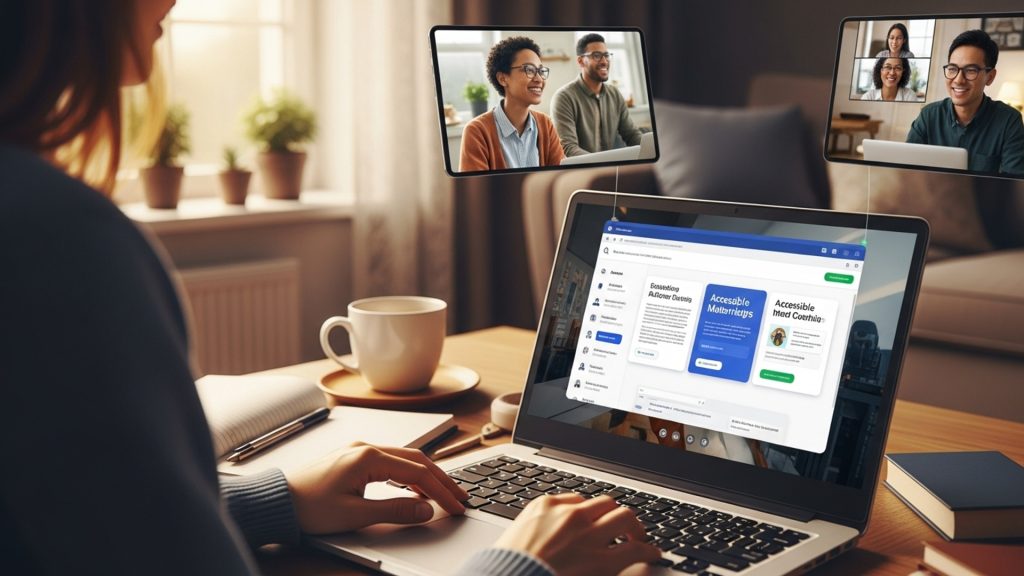
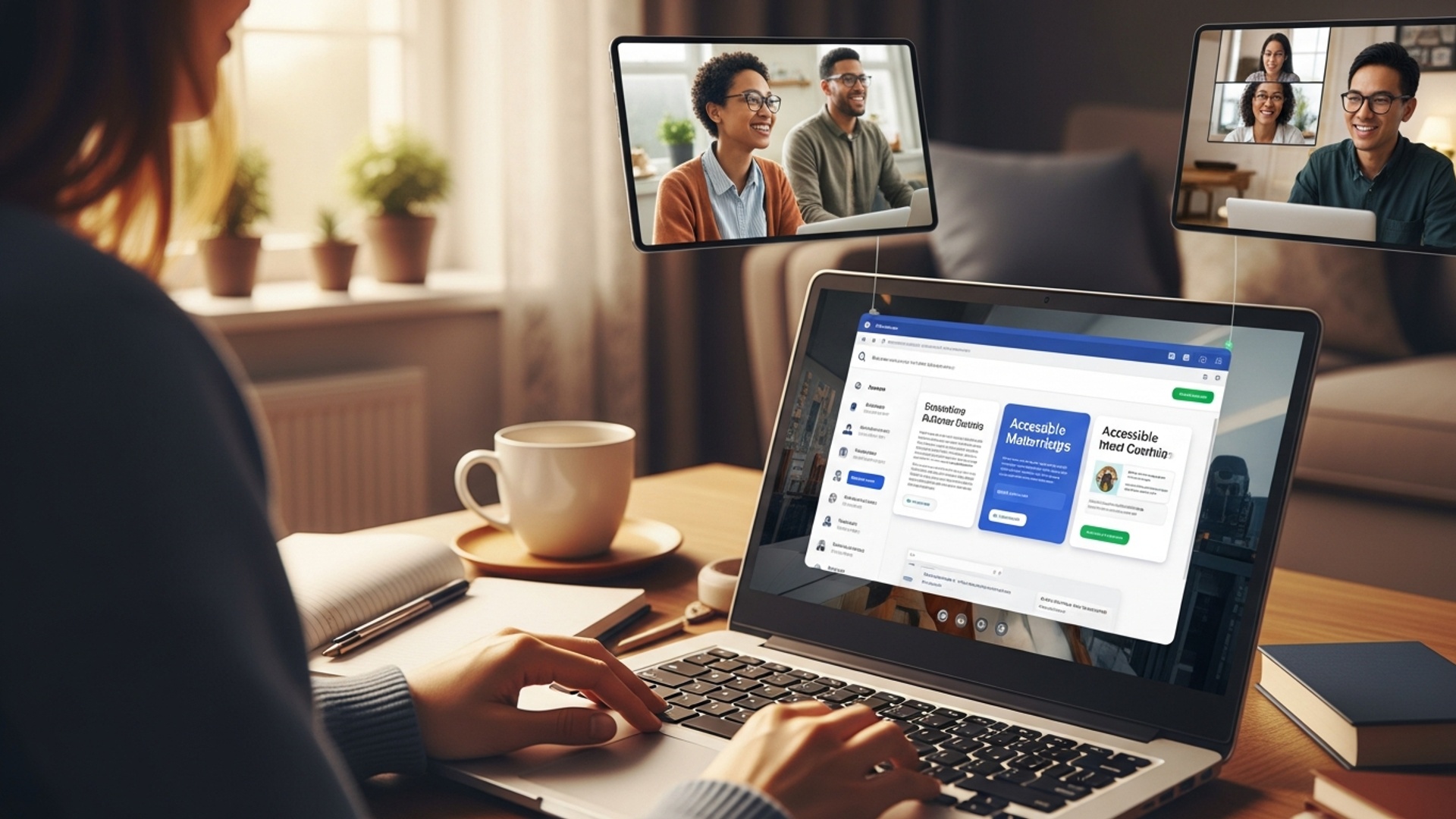
Flexible learning is an educational approach that allows students to choose how, what, when. where they learn. Unlike traditional schooling, which often follows a rigid schedule and location, flexible learning puts the student in control, adapting to their individual needs, preferences. life circumstances. Think of it as tailoring your education to fit your life, rather than trying to fit your life around your education. Why is this vital, especially for young people today? The world is changing faster than ever. Career paths aren’t linear. the skills needed for future success are constantly evolving. Traditional educational models, while valuable, sometimes struggle to keep pace with these shifts. Flexible learning offers a solution by:
- Adapting to Diverse Lifestyles: Whether you’re working part-time, caring for family, pursuing a passion, or just prefer to learn at your own pace, flexible options make education accessible.
- Promoting Self-Direction: You learn to manage your time, set your own goals. take responsibility for your studies, developing vital life skills.
- Allowing for Continuous Upskilling: In a dynamic job market, the ability to learn new skills or even entirely new fields throughout your career is crucial. Flexible learning facilitates this without requiring a complete life overhaul.
- Breaking Down Barriers: Geographic location, financial constraints, or previous academic history can often prevent people from pursuing higher education. Flexible models aim to remove these obstacles.
The Open University: A Pioneer in Accessible Education
When we talk about flexible learning, especially at a university level, the Open University immediately comes to mind. Founded in the United Kingdom in 1969, the Open University was a revolutionary concept: a university without walls, dedicated to making higher education accessible to everyone, regardless of their background, location, or previous qualifications. It pioneered distance learning long before the internet made it common, using postal services, radio. television to deliver its courses. Today, the Open University is one of the largest universities in the UK and a global leader in online and distance learning. Its model is built around:
- Open Entry: Most undergraduate courses do not require specific entry qualifications, focusing instead on a student’s potential to succeed.
- Distance Learning: Students learn from wherever they are, using a rich array of online resources, study materials. virtual learning environments.
- Flexible Pacing: You can study full-time or part-time, adjusting your study load to fit your life. Many students complete their degrees over several years while working or raising families.
- Dedicated Support: Despite being a distance learning institution, the Open University provides extensive tutor support, online forums. student communities to ensure no one feels isolated.
This unique approach has made the Open University a beacon for how an open universaty can truly democratize education, offering a pathway to a degree for millions who might not otherwise have had the chance.
How Flexible Learning Shapes Modern Career Paths
The impact of an open universaty like the Open University on modern careers is profound, offering distinct advantages in today’s fast-evolving professional landscape.
- Skill Development for the Future: Flexible learning inherently fosters skills highly valued by employers. When you manage your own study schedule, you develop strong self-discipline, time management. organizational abilities. Navigating online resources and collaborating in virtual environments sharpens digital literacy and communication skills. These aren’t just academic skills; they are vital for any modern career. For example, a young adult studying an IT degree with the Open University might be concurrently working in a tech support role. The independent problem-solving required for their studies directly translates to their job, making them a more agile and valuable employee.
- Career Changes and Upskilling in Real-Time: The traditional model of studying for a degree, then entering a single career path, is becoming less common. Many professionals now change careers multiple times or need to continuously update their skills to stay relevant. The Open University excels here. Imagine someone in their early twenties working in retail, realizing they have a passion for environmental science. Instead of quitting their job and incurring significant debt for a full-time degree, they can enroll with the open universaty part-time, gaining a qualification while maintaining their income and gaining transferable skills. This continuous learning model is crucial for adapting to new industries and technologies.
- Fueling Entrepreneurship and Innovation: For aspiring entrepreneurs, the flexibility of studying with an open universaty is invaluable. Building a startup or developing a new project requires immense time and dedication. A flexible degree allows individuals to pursue their academic goals without sacrificing their entrepreneurial ambitions. For instance, a young inventor could be studying engineering or business management with the Open University while simultaneously developing a prototype for their startup. The knowledge gained from their studies can be immediately applied to their venture, creating a powerful synergy.
Key Benefits for Young Adults and Teens Considering Their Future
For teens and young adults looking ahead, an open universaty model like the Open University offers compelling advantages:
- Balancing Multiple Commitments: Life doesn’t stop for education. Whether you’re working a part-time job, have family responsibilities, are involved in community projects, or pursuing a sport or art, flexible learning allows you to integrate study into your existing life. You don’t have to choose between education and other crucial aspects of your development. This means less stress and a more holistic approach to your early adult years.
- Financial Accessibility: University costs can be a major concern. The Open University often offers more flexible payment options, allowing students to pay per module rather than upfront for an entire year. This can significantly reduce the immediate financial burden and the amount of student loan debt incurred. For many, it makes higher education a tangible possibility that might otherwise be out of reach.
- Global Recognition and Employability: An Open University degree is highly respected globally. Employers recognize the dedication, self-motivation. advanced skills developed through this mode of study. It demonstrates a proactive approach to learning and a strong work ethic. Moreover, the diverse student body and international reach of the Open University can expose you to different perspectives, broadening your horizons and enhancing your global employability.
- Personal Growth and Independence: Studying flexibly cultivates immense personal growth. You learn to be self-reliant, resilient. adapt to challenges. This independence, coupled with the critical thinking fostered by university-level study, prepares you not just for a career. for life itself. You become a lifelong learner, ready to tackle future challenges head-on.
The Open University vs. Traditional Universities: A Comparison
Choosing between an open universaty like the Open University and a traditional brick-and-mortar institution depends heavily on your individual circumstances, learning style. career aspirations. Here’s a breakdown to help you interpret the differences:
| Feature | The Open University (Flexible Learning) | Traditional University (On-Campus) |
|---|---|---|
| Study Method | Primarily online and distance learning, self-paced, with rich digital resources, tutor support. online communities. | Primarily on-campus lectures, seminars, labs. face-to-face interaction. |
| Campus Life | Minimal physical campus experience; focus is on virtual communities and online interactions. Occasional optional in-person events or tutorials. | Vibrant campus life with dormitories, clubs, sports teams, social events. daily physical presence. |
| Flexibility | Highly flexible. Students can often choose their start dates, study intensity (part-time/full-time). learn from any location. Ideal for those with work or family commitments. | Generally rigid schedules (fixed term dates, lecture times) and requires living near or on campus. Less adaptable to external commitments. |
| Pace of Study | Often self-paced within module deadlines; students can take breaks between modules or study at a slower speed. | Fixed academic calendar and pace, typically requiring full-time commitment to complete within a set timeframe. |
| Cost Structure | Often pay-per-module, which can spread costs over a longer period. Potentially lower overall cost due to no living expenses on campus. | Annual tuition fees, often alongside significant living expenses (accommodation, food, transport). |
| Entry Requirements | Many undergraduate courses have ‘open entry’ – no formal qualifications needed. Focus on potential. | Typically requires specific prior academic qualifications (e. g. , A-levels, high school diploma with certain grades). |
| Target Student | Working professionals, parents, individuals seeking career change, those geographically isolated, or anyone preferring independent, flexible study. | Recent school leavers, those seeking a full-time immersive university experience, or those preferring structured, face-to-face learning. |
It’s vital to grasp that one is not inherently “better” than the other. They simply cater to different needs and circumstances. Your choice should align with your learning style, personal situation. future goals.
Real Stories of Success: Open University Alumni in Action
The true power of an open universaty like the Open University is best illustrated through the success stories of its alumni. These individuals, often juggling multiple responsibilities, have leveraged flexible learning to achieve remarkable career milestones. Consider the story of Sarah, a 22-year-old single mother who, after leaving school early, found herself working in a low-wage job. Driven by a desire for a better future for her child, she enrolled in an Open University Business Management degree. Studying in the evenings after her child was asleep. on weekends, she found the flexible structure invaluable. Her tutors provided consistent support. the online community offered a sense of belonging. Within three years, while still working part-time, Sarah secured a promotion to a supervisory role. Upon graduating, her new qualification, combined with her practical experience and the self-discipline she developed, helped her land a project management position at a large corporation. Her ability to balance study, work. family life impressed employers, showcasing her exceptional organizational skills and determination. Another compelling example is Mark, a 19-year-old who felt traditional university wasn’t for him right after high school. He wanted to gain work experience and explore his interests before committing to a degree. He started working as a junior web developer. soon realized he needed more formal qualifications to advance. Enrolling with the Open University for a Computing and IT degree allowed him to continue working full-time, applying his learning directly to his job. He particularly valued the practical, real-world focus of the modules. By the time he completed his degree, he had not only gained a valuable qualification but also four years of professional experience, putting him far ahead of many of his peers graduating from traditional universities. His journey highlights how an open universaty can facilitate a powerful blend of academic learning and practical career development, leading to accelerated career progression.
Future-Proofing Your Career with Flexible Education
In an era defined by rapid technological advancements and economic shifts, the concept of a “job for life” is largely outdated. The future of work demands adaptability, continuous learning. the ability to pivot. Flexible education, particularly from an open universaty like the Open University, is not just a convenient alternative; it’s a strategic tool for future-proofing your career. The skills you gain from flexible learning – self-motivation, digital literacy, critical thinking. time management – are precisely the meta-skills that remain relevant regardless of industry changes. Moreover, the modular structure of many flexible degrees allows for continuous upskilling and reskilling. You can take individual modules or short courses to acquire new competencies as they become in-demand, without committing to another full degree. This concept of lifelong learning, where education is an ongoing journey rather than a one-time event, is central to thriving in the future job market. For young adults and teens, actively considering how an open universaty can fit into your educational and career strategy is an actionable takeaway. Research programs that align with your interests and potential career paths. Talk to Open University advisors or current students to comprehend the learning experience. Don’t be afraid to forge your own path – the most successful careers in the future will likely be those built on a foundation of continuous learning and adaptability, precisely what flexible education champions.
Conclusion
The Open University fundamentally reshapes career trajectories by championing flexible learning, proving that professional growth isn’t confined to traditional campuses or timelines. In today’s rapidly evolving job market, where the shelf-life of skills is shrinking due to advancements like AI, continuous upskilling isn’t a luxury but a necessity. I’ve personally seen how individuals who proactively embrace platforms like the OU, perhaps completing a micro-credential in digital marketing or a full degree in data science, gain a distinct edge, often pivoting successfully into new, high-demand roles. My personal tip is this: view your professional development as an ongoing, personal project. Don’t wait for your employer to dictate your next learning step; instead, explore the diverse, accessible offerings that allow you to adapt and thrive. By actively investing in your own learning journey, leveraging the flexibility The Open University provides, you equip yourself not just for future success. for sustained relevance and leadership in any field. Embrace this agile approach to education. you’ll confidently navigate the complexities of modern careers, always a step ahead.
More Articles
Open University: Making Flexible Higher Education Accessible for Tomorrow’s Global Workforce
Unlock Your Career Potential: Choosing the Best MBA Specialization for 2025 Success
Don’t Regret Your Degree: Practical Steps for Choosing the Best UK Course for You
Beyond the Top 10: How to Strategically Use UK University Rankings for Your Future

FAQs
How does the Open University really help people get ahead in their careers these days?
The OU is all about making education accessible, especially for those already working or with other commitments. Its flexible, distance learning model allows individuals to upskill, reskill, or gain new qualifications without pausing their lives. This directly translates to career advancement, new job opportunities. increased earning potential by equipping learners with relevant, in-demand skills and recognized degrees.
What makes OU’s learning style so ‘flexible’ for someone with a busy life?
It’s super flexible because you can study from anywhere, at any time, fitting your learning around your existing commitments like work, family, or other responsibilities. There are no fixed lecture times or campus attendance requirements. You set your own pace within module deadlines, making it ideal for juggling a busy schedule while still pursuing your educational goals.
Are the skills you learn at the Open University actually valued by employers in today’s job market?
Absolutely! OU graduates are often highly regarded. Beyond subject-specific knowledge, the independent and self-disciplined nature of OU study fosters crucial transferable skills like time management, critical thinking, problem-solving, digital literacy. resilience – all qualities employers actively seek in modern professionals.
How does the Open University keep its courses relevant with how fast jobs are changing?
The Open University works closely with industry experts and professional bodies to ensure its curriculum stays current and aligned with evolving job market demands. They regularly review and update their course materials, incorporating the latest research, technologies. best practices to prepare students for contemporary and future roles.
Is OU education more for people looking to totally switch careers, or also for those wanting to move up where they are?
It’s genuinely beneficial for both! Many use OU qualifications to make a complete career change, leveraging new skills and knowledge. Equally, a significant number of students use their studies to gain promotions, take on more senior roles, or specialize further within their existing profession, making them more competitive and capable.
Can studying with the Open University really help future-proof my career?
Yes, definitely. By providing continuous access to learning and a focus on developing adaptable skills, the OU helps individuals stay relevant in an ever-changing professional landscape. It encourages a mindset of lifelong learning, which is critical for navigating technological advancements and shifts in industry, making your career more resilient.
How does studying at the Open University differ from a traditional university experience when it comes to career impact?
While both offer valuable education, the OU’s impact on careers often stems from its practical applicability for working adults. Unlike a traditional campus-based degree, many OU students are already in the workforce, allowing them to immediately apply what they learn, integrate theory with practice. progress professionally while studying. It’s often about enhancing an ongoing career journey rather than solely preparing for a first job post-graduation.