
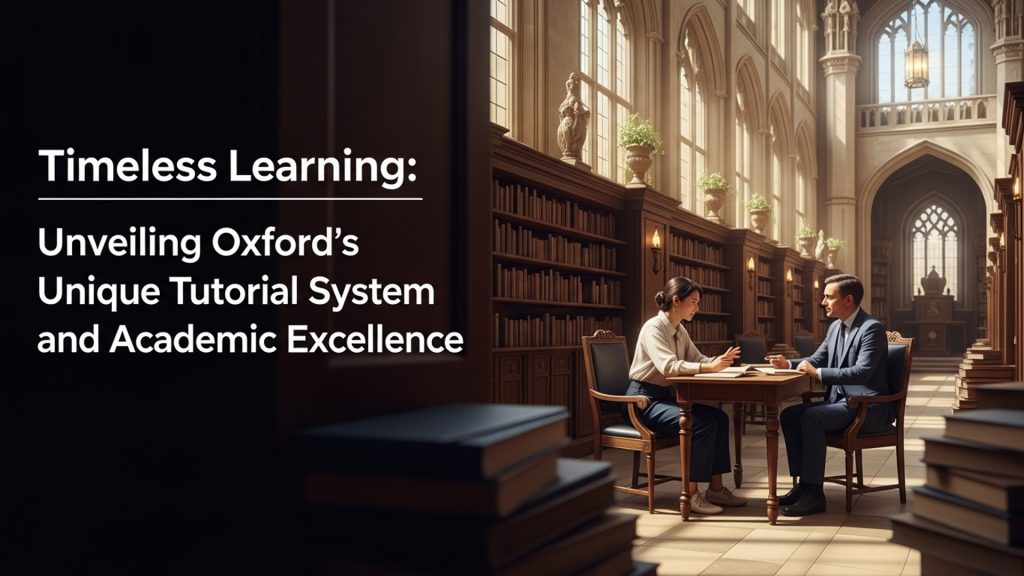
The University of Oxford stands as a beacon of intellectual heritage, its reputation for academic excellence woven into centuries of pioneering scholarship. Far from static, this institution continually refines its pedagogical approach, most notably through its unique tutorial system. This intensive, highly personalized method, where students engage in deep, one-on-one or small-group discussions with leading academics, fosters critical thinking and independent research skills unmatched elsewhere. For instance, a first-year PPE student might debate complex economic theory with a world-renowned economist in a college room, illustrating a direct, formative intellectual exchange. This bespoke learning, adapted even in the digital age with blended formats and digital resources, remains central to cultivating the next generation of global leaders and innovators, distinguishing Oxford’s rigorous academic environment.
The Heart of Oxford: Unpacking the Tutorial System
When you hear about the University of Oxford, you often hear whispers of its unparalleled academic rigor and unique teaching methods. At the very core of this legendary institution’s approach lies the ‘tutorial system’ – a pedagogical model that has remained largely unchanged for centuries, yet continues to produce some of the world’s most brilliant minds. But what exactly is a tutorial?
Imagine this: instead of sitting in a massive lecture hall with hundreds of other students, you find yourself in a small room, often with just one or two other students, facing a world-leading expert in your chosen subject. This is the essence of an Oxford tutorial. It’s a highly personalized, intensive academic session, typically lasting an hour, where you present an essay or problem set you’ve prepared. then engage in a deep, probing discussion with your tutor.
The preparation for a tutorial is as crucial as the session itself. You’re usually given a reading list and an essay question or a set of problems. You’re expected to delve into the material, conduct independent research, formulate your own arguments. then write a substantial piece of work. This isn’t just about regurgitating facts; it’s about developing your own critical perspective and supporting it with evidence.
- Small Group Setting: Typically one-on-one or one-on-two, ensuring maximum individual attention.
- Intensive Discussion: The tutor challenges your ideas, asks difficult questions. pushes you to think more deeply.
- Essay-Based Learning: Regular essay writing is central, fostering strong argumentation and written communication skills.
- Expert Guidance: Tutors are often leading researchers in their fields, providing cutting-edge insights.
This system isn’t just about learning facts; it’s about learning how to think. It’s about intellectual sparring, defending your viewpoints. having your assumptions challenged in a supportive yet rigorous environment. The University of Oxford believes this method cultivates independent thought, critical analysis. intellectual resilience like no other.
Why One-on-One Learning Rocks: The Benefits for You
The tutorial system at the University of Oxford offers a learning experience that’s profoundly different from what most students encounter elsewhere. For young adults aiming for academic excellence, understanding these benefits is key to appreciating Oxford’s unique appeal.
- Personalized Feedback: Imagine getting detailed, individualized feedback on every single piece of work you produce. Your tutor knows your strengths, weaknesses. how you learn best, tailoring their guidance to your specific needs. This level of personalized attention is virtually unmatched.
- Deep Understanding, Not Rote Learning: Tutorials force you to engage with material at a profound level. You can’t just memorize; you have to truly grasp, assess. synthesize data. This leads to a much deeper and longer-lasting comprehension of your subject.
- Developing Critical Thinking and Argumentation Skills: During a tutorial, you’re not just presenting your work; you’re defending it. Your tutor will play devil’s advocate, challenging your premises and pushing you to articulate your thoughts with precision and logic. This hones your ability to think critically, construct persuasive arguments. communicate complex ideas effectively.
- Building Confidence: Successfully navigating these intense intellectual discussions, defending your ideas. receiving constructive criticism builds immense academic confidence. You learn to trust your own intellectual abilities and to engage fearlessly with challenging concepts.
- Cultivating Intellectual Curiosity: The freedom to explore topics in depth and the direct engagement with an expert often ignites a burning intellectual curiosity. You’re encouraged to follow your own interests and ask the “why” behind everything.
Think of it as an intensive intellectual workout designed specifically for you. This isn’t about passive absorption; it’s about active, engaged learning that transforms how you approach knowledge itself. Many alumni of the University of Oxford credit the tutorial system with shaping their ability to think, reason. innovate.
Beyond the Books: How Tutorials Shape Future Leaders
The skills honed within the tutorial system at the University of Oxford extend far beyond academic success. They are the very attributes that define leaders, innovators. influential thinkers in every field imaginable. While reading countless books and writing essays are central, the true magic lies in the transference of these academic disciplines to real-world impact.
Consider a student at the University of Oxford preparing for a tutorial. They are tasked with analyzing a complex economic policy. They don’t just read about it; they research its historical context, study its potential impacts, evaluate different expert opinions. then formulate their own reasoned argument. In the tutorial, they must present and defend their stance, anticipating counter-arguments and refining their logic on the fly. This process mirrors the challenges faced by policymakers, entrepreneurs. researchers every day.
- Independent Research and Problem-Solving: The constant need to research, synthesize insights. develop original arguments trains students to be self-reliant problem-solvers. This skill is invaluable in any career path, from scientific research to strategic consulting.
- Effective Communication: Articulating complex ideas clearly and persuasively, both verbally and in writing, is a cornerstone of the tutorial system. These communication skills are essential for presentations, negotiations. influencing others in professional settings.
- Resilience and Adaptability: Being challenged by a tutor, having your arguments scrutinized. learning to revise your thinking fosters intellectual resilience. It teaches you to embrace constructive criticism and adapt your approach, qualities crucial for navigating dynamic professional environments.
- Ethical Reasoning: Many discussions in tutorials delve into the ethical implications of theories, historical events, or scientific advancements. This cultivates a strong sense of ethical reasoning and responsibility, preparing students to make thoughtful decisions that impact society.
The University of Oxford produces graduates who aren’t just knowledgeable. who possess the critical faculties, confidence. adaptability to tackle global challenges. They emerge as independent thinkers, capable of leading discussions, solving intricate problems. making significant contributions to their chosen fields.
Oxford’s Academic Edge: More Than Just Tutorials
While the tutorial system is undoubtedly the jewel in the crown of Oxford’s teaching methodology, the University of Oxford’s academic excellence is also bolstered by a multifaceted educational environment. It’s a holistic experience designed to foster intellectual growth and personal development.
- The Collegiate System: Oxford is not a single campus but a collection of 39 independent colleges. Each college is a vibrant, self-governing community where students live, eat, socialize. receive some of their teaching. This system provides a supportive, intimate environment within the larger university, offering academic and pastoral care. fostering a strong sense of belonging. Your college is your home base, providing a network of peers and mentors.
- World-Class Faculty and Research Opportunities: The tutors and lecturers at Oxford are often pioneers in their respective fields, actively engaged in groundbreaking research. This means students are taught by individuals who are not just experts. who are actively shaping the future of their disciplines. Many undergraduates also have opportunities to participate in research projects, gaining invaluable hands-on experience.
- Unrivalled Libraries and Resources: The University of Oxford boasts an extraordinary array of libraries, including the Bodleian Libraries, one of the oldest and largest libraries in the world. With millions of books, manuscripts. digital resources, students have unparalleled access to data, essential for in-depth research and study.
- Independent Study and Self-Motivation: Alongside the structured tutorials and lectures, a significant portion of an Oxford degree relies on independent study. Students are expected to manage their time, plan their reading. pursue their intellectual interests autonomously. This cultivates high levels of self-discipline and motivation, preparing them for lifelong learning.
These elements combine to create an intensely stimulating and supportive academic ecosystem. The collegiate system provides community and support, world-class faculty inspire and guide. vast resources empower deep exploration, all underpinning the transformative power of the tutorial system. The University of Oxford is truly a place where intellectual curiosity is celebrated and nurtured.
Tutorials vs. Traditional Lectures: A Learning Showdown
To truly appreciate the distinctiveness of the University of Oxford’s tutorial system, it’s helpful to compare it with more traditional, lecture-based university teaching methods. While both have their merits, they cater to different learning styles and cultivate different skill sets.
| Feature | Oxford Tutorial System | Traditional Lecture-Based System |
|---|---|---|
| Group Size | Very small (1-3 students) | Large (dozens to hundreds of students) |
| Interaction Level | High; direct dialogue, debate. challenge with a tutor. | Low; primarily one-way delivery from lecturer, limited Q&A. |
| Feedback | Highly personalized, in-depth. immediate on written work and verbal arguments. | Often generalized, delayed, or through standardized grading on assignments. |
| Learning Style Emphasis | Active learning, critical thinking, argumentation, independent research, self-directed study. | Passive absorption of details, note-taking, memorization, understanding core concepts. |
| Skill Development | Strong analytical skills, persuasive communication, intellectual resilience, problem-solving, independent thought. | Broad factual knowledge, ability to synthesize insights from various sources, test-taking skills. |
| Pace of Learning | Individualized, can delve deep into specific areas based on student interest and needs. | Standardized pace, covering a fixed curriculum for the entire cohort. |
As you can see, the tutorial system at the University of Oxford is designed to be an active, engaging. highly personalized intellectual journey. While lectures certainly have their place in conveying foundational knowledge efficiently, tutorials excel at fostering deep understanding, critical engagement. the development of high-level intellectual skills that are invaluable in any future endeavor.
Is Oxford for You? Actionable Steps and Aspirations
If the idea of intense intellectual debate, personalized academic guidance. being part of a world-renowned institution like the University of Oxford excites you, then you might be wondering how you can prepare for such an experience. While getting into Oxford is competitive, it’s certainly achievable with dedication and the right approach.
Here are some actionable takeaways if you’re a teen or young adult aspiring to study at the University of Oxford:
- Cultivate Critical Thinking: Start questioning everything you read and learn. Don’t just accept insights; assess it, evaluate its sources. form your own reasoned opinions. Practice articulating your thoughts clearly, both in writing and verbally.
- Read Widely and Deeply: Go beyond your school curriculum. Explore books, articles. reputable online resources related to subjects that genuinely interest you. The more you read, the better your vocabulary, comprehension. analytical skills will become.
- Practice Essay Writing: The ability to construct a coherent, well-argued essay is fundamental to the Oxford experience. Seek opportunities to write extended pieces of work, ask for feedback. learn to refine your arguments.
- Develop Independent Study Habits: Start taking ownership of your learning now. Don’t wait to be told what to do; seek out insights, explore topics on your own. manage your time effectively for self-study.
- Engage in Intellectual Discussion: Participate actively in class, join a debate club, or start a book club with friends. The more you practice discussing complex ideas, the better prepared you’ll be for tutorials.
- Research Your Subject: Explore the specific courses offered by the University of Oxford that align with your passions. interpret what each degree entails and what kind of intellectual challenges it presents.
Remember, Oxford isn’t looking for perfect students; it’s looking for curious, intellectually engaged individuals who are passionate about their chosen subject and eager to be challenged. The unique tutorial system is designed to push you to your intellectual limits, transforming you into a truly independent and critical thinker. If this sounds like your kind of learning adventure, then start building those foundational skills today!
Conclusion
The Oxford tutorial system, far from being an archaic relic, remains a potent blueprint for profound learning. It’s a direct challenge to passive consumption, demanding active engagement and intellectual sparring. My personal advice for anyone aspiring to such depth is to actively seek out your ‘tutors,’ whether formal mentors or simply engaging deeply with challenging texts and then articulating your understanding. Don’t just read; critically examine, debate. refine your arguments, just as students do when presenting an essay to an expert. This isn’t merely about academic success; it’s about cultivating the agile, critical mind essential for navigating today’s complex world, from global policy to ethical AI dilemmas. Embrace this spirit of rigorous inquiry. you will unlock an unparalleled capacity for understanding and innovation, preparing you not just for a career. for a lifetime of impactful thought.
More Articles
Navigating Complexity: Oxford’s Insights on Global Policy and Ethical AI Challenges
Pioneering Minds: Oxford University’s Groundbreaking Research Shaping Humanity’s Next Decade
Beyond the Numbers: How to Effectively Use UK University Rankings for 2025 Admissions
Leading the Way: Key Management Skills for Tomorrow’s Dynamic Business Landscape

FAQs
What exactly is this ‘tutorial system’ everyone talks about at Oxford?
The tutorial system is Oxford’s core teaching method, typically involving one or two students meeting with a tutor (an academic expert) for an hour each week. You’ll usually have prepared an essay or problem set beforehand, which then forms the basis for a deep, personalized discussion. It’s all about pushing you to think critically, challenge ideas. develop your arguments.
How does learning at Oxford differ from a typical university experience?
Unlike many universities where learning heavily relies on large lectures, Oxford’s tutorial system emphasizes intense, personalized engagement. While lectures and seminars are part of the mix, the tutorials are where you truly delve into your subject, receive direct feedback. have your ideas rigorously examined by an expert. It fosters independent thought and a profound understanding rather than just memorization.
What are the biggest benefits for students from this unique teaching style?
Students gain immense benefits! You get incredibly personalized attention and feedback, allowing you to tailor discussions to your specific interests and challenges. It hones your critical thinking, analytical skills. ability to articulate complex ideas under pressure. You’re constantly engaging with cutting-edge research. it truly helps you develop into an independent scholar.
Is the tutorial system super intense, or does it apply to all subjects?
It can be intense in a good way, demanding consistent effort and independent study. it’s designed to help you thrive, not just survive. The tutorial system is a fundamental part of almost all undergraduate degrees at Oxford, though its exact form and frequency might vary slightly depending on the subject – for example, a science subject might integrate more lab work and problem sheets into its tutorial structure.
How does Oxford maintain such high academic standards year after year?
Oxford’s enduring academic excellence stems from several factors. The tutorial system itself demands a high level of engagement and critical thought. We attract world-leading academics who are passionate about both research and teaching. There’s a strong culture of intellectual inquiry, supported by vast library resources and a rigorous admissions process that selects highly capable and motivated students.
Will I only ever learn through tutorials, or are there other types of teaching too?
While tutorials are central, your learning experience at Oxford is quite varied! Depending on your course, you’ll also attend lectures, participate in seminars, undertake practical work in labs, or engage in fieldwork. These different teaching methods complement each other, providing a comprehensive and well-rounded education that deepens your understanding from multiple angles.
What kind of support do students get to help them succeed in this unique environment?
Students receive robust support. Beyond your subject tutors, each college provides academic advisors, welfare support. a close-knit community that helps you settle in and thrive. There are extensive library resources, study skills workshops. opportunities for peer support. The entire system is geared towards nurturing your intellectual growth and ensuring you have the resources to excel.