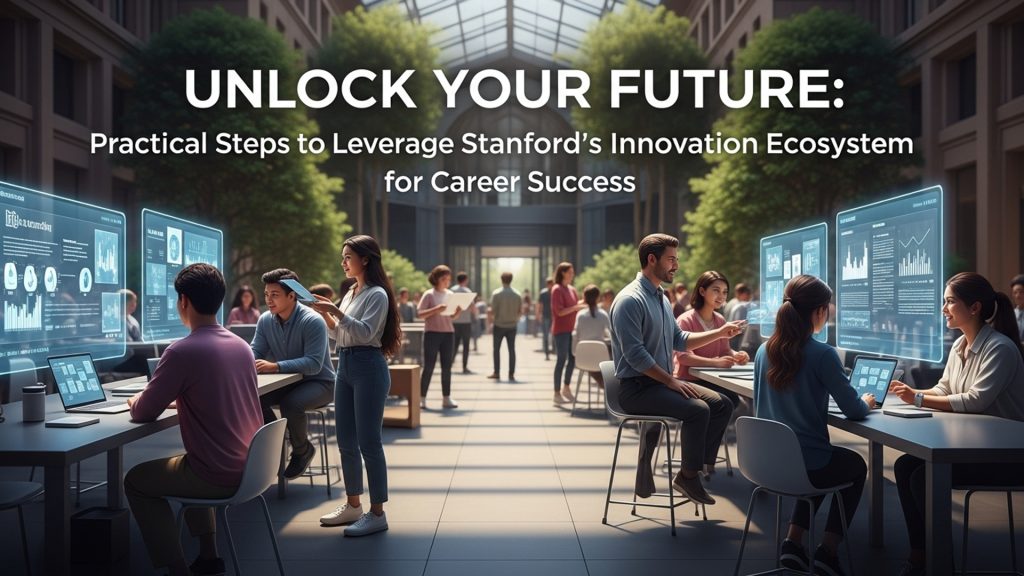
Stanford University actively fuels the global innovation landscape, consistently spawning transformative ventures from its dynamic ecosystem. Beyond its renowned academic programs, the institution’s robust network—encompassing venture capitalists on Sand Hill Road, pioneering startups emerging from StartX. groundbreaking research at SLAC—offers unparalleled opportunities. Consider recent advancements in generative AI, where Stanford alumni drive development at companies like Anthropic, or the personalized medicine revolution spearheaded by Stanford Bio-X initiatives. Strategically engaging this environment, from participating in open innovation challenges to leveraging alumni mentorship platforms, provides a direct conduit to cutting-edge technologies and career acceleration. This interconnected web presents a unique advantage for professionals aiming to navigate and lead in today’s rapidly evolving tech and scientific frontiers.
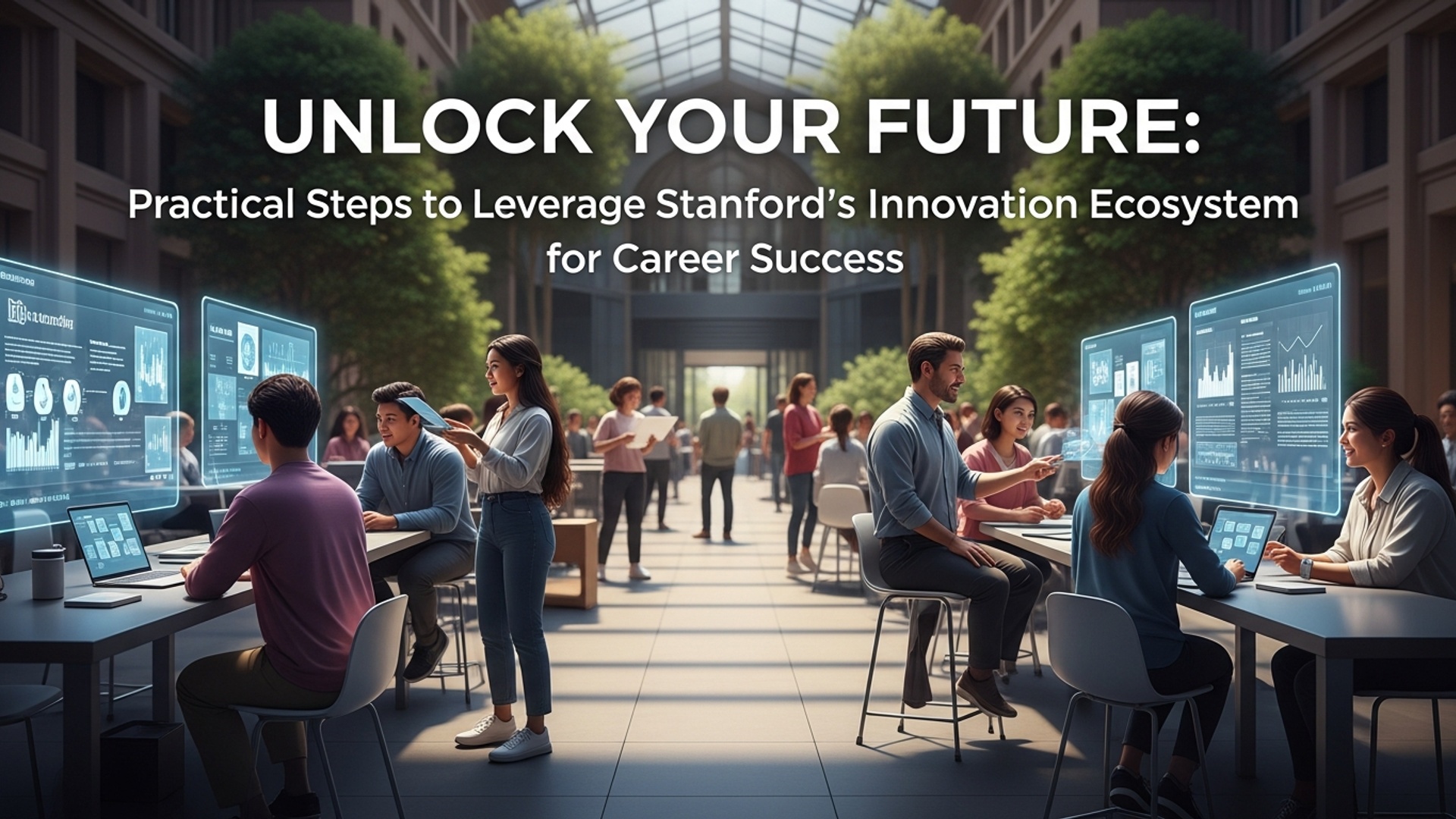
Understanding Stanford’s Innovation Ecosystem
Ever wondered why certain places seem to bubble with new ideas, groundbreaking technologies. world-changing companies? For decades, Stanford University has been at the very heart of one such place: Silicon Valley. But what exactly is an “innovation ecosystem”? Think of it like a vibrant rainforest. instead of plants and animals, it’s teeming with ideas, talent, resources. a culture that encourages new ventures to grow.
An innovation ecosystem is a network of organizations, institutions, individuals. resources that interact to foster the creation, development. commercialization of new ideas, products. services. At Stanford, this ecosystem is incredibly rich, driven by a unique blend of:
- Cutting-Edge Research: World-class faculty and students pushing the boundaries of knowledge in every field.
- Entrepreneurial Culture: A strong belief that academic breakthroughs should translate into real-world impact.
- Proximity to Capital: Direct access to venture capitalists and angel investors eager to fund promising startups.
- Talent Pool: A constant influx of brilliant minds, both students and alumni, ready to innovate.
- Mentorship and Support Systems: Programs and individuals dedicated to guiding aspiring innovators.
This environment isn’t accidental; it’s a deliberate cultivation that has made Stanford University a magnet for ambitious individuals. From the early days of Hewlett-Packard in a Stanford garage to the birth of Google and countless other tech giants, the university has consistently been a launchpad for innovation.
Key Resources and Programs at Stanford University
Stanford’s ecosystem offers a treasure trove of resources designed to help students. even aspiring students, develop their innovative muscles. Understanding these can be your first step toward leveraging this powerful environment.
Academic Programs that Fuel Innovation
While almost every department at Stanford offers avenues for innovation, some are particularly renowned for their direct links to the innovation ecosystem:
- Computer Science (CS): A foundational department for many tech startups, offering deep dives into AI, machine learning, data science. more.
- Electrical Engineering (EE): Crucial for hardware innovation, robotics. the physical components of new technologies.
- Management Science and Engineering (MS&E): Blends engineering with business, focusing on entrepreneurship, operations research. organizational design.
- Hasso Plattner Institute of Design (d. school): A truly unique interdisciplinary hub where students from all backgrounds learn and apply “design thinking” to solve complex real-world problems. It’s not just about aesthetics; it’s about human-centered innovation.
Research Opportunities
Whether you’re an undergraduate or a prospective student, engaging with research can be transformative. Stanford offers numerous ways to get involved:
- Undergraduate Research Opportunities: Many professors welcome undergraduates into their labs, providing invaluable hands-on experience and a chance to contribute to cutting-edge projects. This could be in fields like AI ethics, sustainable energy, or biomedical engineering.
- Specialized Labs and Centers: Stanford is home to a vast array of research centers, such as the Stanford Artificial Intelligence Lab (SAIL), the SLAC National Accelerator Laboratory. the Bio-X program, all pushing boundaries and creating opportunities for involvement.
Entrepreneurship Hubs and Programs
This is where many ideas take flight and turn into tangible ventures:
- StartX: An independent non-profit startup accelerator and community for Stanford founders. It provides mentorship, education. funding opportunities to Stanford-affiliated entrepreneurs. Companies like Lime and DoorDash had early connections to StartX, showcasing its impact.
- Stanford eCorner: The entrepreneurship resource hub from the Stanford Technology Ventures Program (STVP) within the School of Engineering. It offers free online courses, videos. articles featuring insights from successful entrepreneurs and venture capitalists. It’s an incredible resource for learning the ropes of startup creation, even if you’re not yet on campus.
- Venture Capital (VC) & Angel Investor Network: Stanford’s location in Silicon Valley means direct access to investors. Many alumni become VCs, creating a powerful feedback loop for funding new ventures emerging from the university.
Networking Events and Workshops
Stanford hosts a constant stream of events that bring innovators, industry leaders. students together:
- Career Fairs & Tech Expos: Opportunities to connect with established companies and burgeoning startups.
- Startup Pitch Events: See real startup teams present their ideas, learn about what investors look for. even connect with potential co-founders.
- Design Thinking Workshops: Hands-on sessions, often at the d. school, that teach you how to approach problem-solving like an innovator.
Leveraging Stanford’s Network for Career Success
Beyond the formal programs, the human network at Stanford University is perhaps its most potent asset. Building relationships here can open doors you never imagined.
The Power of the Alumni Network
Stanford boasts one of the most influential alumni networks in the world, spanning every industry imaginable. Think of it as a vast, interconnected web of professionals who share a common bond and a willingness to help fellow Stanford members.
- LinkedIn: A primary tool for connecting. Search for Stanford alumni in fields or companies that interest you and send a polite, personalized connection request. Many are happy to offer advice or informational interviews.
- Alumni Events: Attend local or virtual alumni gatherings. These are fantastic opportunities to meet people in various stages of their careers, learn from their experiences. expand your professional circle.
- Stanford Alumni Association: This organization provides resources, networking platforms. career support specifically for alumni.
Real-world example: Sarah, a Stanford graduate, was looking for a break in sustainable fashion. She reached out to a Stanford alumna working at a leading ethical clothing brand via LinkedIn. After an informational interview, the alumna not only offered advice but also connected Sarah to a hiring manager, leading to her first internship.
Faculty Mentorship
Stanford’s professors are not just brilliant researchers; many are also seasoned entrepreneurs, industry consultants. passionate mentors. Seeking their guidance can be incredibly valuable.
- How to approach: Attend their office hours, engage actively in class. if you have a genuine interest in their research or expertise, politely ask if they’d be willing to offer advice or discuss your career aspirations.
- Benefits: Professors can provide guidance on academic paths, connect you to research opportunities, introduce you to industry contacts. even become advisors for your own startup ventures. They’ve seen countless students succeed and can offer perspective that few others can.
Peer Connections and Collaboration
Your fellow students at Stanford are future leaders, innovators. founders. Building strong relationships with them is crucial.
- Collaborative Projects: Work on group projects, participate in hackathons, or join student organizations focused on entrepreneurship or specific technologies. These experiences not only build your skills but also forge deep connections.
- Study Groups & Socializing: Don’t underestimate the power of informal interactions. Many successful startups were founded by friends or classmates who shared a common vision.
Practical Steps for Engagement and Success
Whether you’re dreaming of attending Stanford or you’re already a student, here are actionable steps to make the most of its innovation ecosystem.
For Aspiring Students (Teens & Young Adults Considering Stanford)
Your journey begins long before you set foot on campus:
- Focus on STEM and Problem-Solving: Excel in subjects like math, science. computer science. Engage in projects that demonstrate your curiosity and ability to tackle challenges.
- Extracurriculars with Impact: Join robotics clubs, participate in science fairs, or start your own initiative. Show that you’re not just learning. doing.
- Summer Programs: Explore programs like Stanford Pre-Collegiate Studies, which offer high school students a taste of university-level academics and exposure to the campus environment.
- Develop an Innovative Mindset: Read about design thinking, entrepreneurship. emerging technologies. Show in your applications that you comprehend and are excited by the potential of innovation.
For Current Students & Young Adults at Stanford
Once you’re there, the real work of leveraging the ecosystem begins:
- Dive into Interdisciplinary Academics: Don’t just stick to one major. Explore minors, coterminal degrees, or take electives outside your primary field. For example, an engineering student could take classes at the d. school or the Graduate School of Business to round out their skills.
- Seek Hands-on Experience Early:
- Internships: Silicon Valley is your backyard. Seek out internships at startups, established tech companies, or even within Stanford labs.
- Research Assistantships: Connect with professors whose research interests you and inquire about opportunities to contribute.
- Join Student Organizations:
- Entrepreneurship Clubs: Such as the Stanford Entrepreneurship Network (SEN) or groups focused on specific industries (e. g. , healthcare innovation, sustainable tech).
- Hackathon Teams: Participate in hackathons both on and off campus to build rapid prototypes, learn new skills. meet potential co-founders.
- Attend Workshops and Events: Regularly check the calendars of the d. school, eCorner. various departments for workshops on topics like ideation, prototyping, fundraising. legal aspects of startups.
- Build a Portfolio of Projects: Don’t just rely on your resume. Create a digital portfolio showcasing personal projects, prototypes, open-source contributions, or even a small startup you tried to launch. This demonstrates initiative and tangible skills.
- Actively Seek Mentorship: Beyond faculty, look for mentors among alumni and industry professionals. Informational interviews are a great starting point for building these relationships.
Case Study: The Rise of a Health Tech Startup
Consider the story of “MedConnect,” a hypothetical health tech startup founded by two Stanford students. One, a Computer Science major, had interned at a local hospital through a Stanford program and identified a critical communication gap between nurses and doctors. The other, an MS&E student, was passionate about process optimization. They met at a d. school design sprint, where they prototyped an initial solution. They refined their idea through the Stanford eCorner’s workshops, received early mentorship from a professor in the School of Medicine. eventually secured seed funding after pitching at a StartX Demo Day. MedConnect now improves patient care in hospitals across the country, a direct result of leveraging Stanford’s diverse resources and interconnected network.
Cultivating an Innovative Mindset
Beyond the tangible resources, Stanford’s greatest gift is often the mindset it instills. To truly unlock your future, you need to think like an innovator.
- Embrace Design Thinking: This human-centered approach to innovation, famously championed by the d. school, involves five phases: Empathize, Define, Ideate, Prototype. Test. It teaches you to truly grasp user needs before jumping to solutions, leading to more impactful and successful innovations.
- Learn from Failure: Innovation rarely happens in a straight line. Stanford’s culture encourages experimentation and viewing “failure” as a crucial learning opportunity. Every setback is a chance to refine your approach and grow.
- Adopt an Interdisciplinary Approach: The most exciting innovations often happen at the intersection of different fields. Combining insights from engineering and humanities, or medicine and data science, can lead to truly novel solutions.
- Focus on Problem-Solving: At its core, innovation is about identifying real-world problems and creating effective, scalable solutions. Keep an eye out for pain points in your daily life, your community, or global challenges.
By actively engaging with the resources, connecting with the people. adopting the mindset fostered at Stanford University, you’re not just preparing for a career; you’re equipping yourself to be a creator of the future.
Conclusion
Stanford’s innovation ecosystem isn’t merely a place; it’s a dynamic launchpad. To truly unlock your future, you must actively engage, not just observe. My personal tip: immerse yourself in the vibrant energy of initiatives like StartX, attend impromptu talks by venture capitalists on Sand Hill Road. apply design thinking principles from the d. school to every challenge. This proactive approach, as I’ve experienced, transforms passive learning into tangible opportunities. Moreover, recognize that the ecosystem is constantly evolving. Focus on current trends like generative AI, sustainable biotechnology. personalized health tech. Don’t be afraid to cold-email a founder or an alumnus working in your dream field; a brief coffee chat can often lead to invaluable mentorship or even your next role. Remember, choosing the right path, much like discerning how to choose the perfect MBA program, requires introspection and strategic networking. Ultimately, leveraging Stanford means embracing a mindset of continuous innovation and relentless curiosity. Your career success isn’t just about what you learn. whom you connect with and how you contribute. Step out, experiment. know that the future you envision is within reach if you persistently build your unique path within this unparalleled environment.
More Articles
Exploring MIT’s Pioneering Research in Artificial Intelligence and Future Technologies
Comparing Top MBA Programs: Essential Factors for Making Your Best Choice in 2025
Transform Your Career: The Open University’s Flexible Path to Lifelong Learning
UCL’s Global Impact: Addressing World Challenges Through Interdisciplinary Research
Unlocking Your Future: A Practical Guide to UK Postgraduate Study in 2025

FAQs
What exactly does ‘Leveraging Stanford’s Innovation Ecosystem’ mean for my career?
It’s all about understanding and actively tapping into the unique resources, people. opportunities available within the Stanford sphere. This includes everything from cutting-edge research and startup accelerators to a vast network of brilliant minds and alumni. The goal is to show you how to use these elements practically to boost your skills, expand your network. open doors to new career paths.
Who should really consider these practical steps? Is it just for entrepreneurs or tech folks?
Absolutely not! While entrepreneurs and tech professionals will find immense value, these steps are designed for anyone looking to innovate in their current role, make a career pivot, find unique job opportunities, or simply future-proof their professional journey. If you’re eager to grow and connect with forward-thinkers, this is for you, regardless of your industry.
What kind of practical steps will I learn to take advantage of this ecosystem?
You’ll discover actionable strategies, like how to effectively network with key players, identify relevant research and projects, engage with campus incubators and accelerators, utilize Stanford’s extensive alumni network. find opportunities to learn new skills directly from the source. It’s about moving beyond just ‘knowing’ about Stanford to actively participating in its innovation flow.
I’m not a current Stanford student or alum. Can I still benefit from learning about this ecosystem?
Definitely! While direct access to some campus facilities might be exclusive, the principles and many of the resources discussed are accessible to a wider audience. We’ll cover how to engage with Stanford’s public-facing initiatives, online courses, events. a global network that extends far beyond the campus gates. Understanding the ecosystem’s dynamics is powerful on its own, opening up new ways to think about innovation and connection.
How does networking within the Stanford ecosystem actually help me find job opportunities or advance my career?
Networking here isn’t just about collecting business cards; it’s about building genuine connections with people at the forefront of their fields. These connections can lead to mentorship, invaluable insights into emerging industries, informational interviews that uncover ‘hidden’ job markets. direct referrals to roles that aren’t publicly advertised. It’s about becoming part of a community that supports innovation and professional growth.
Beyond just finding a job, how can this program help me develop new skills relevant to today’s innovative landscape?
The program emphasizes how to immerse yourself in an environment that constantly generates new ideas and technologies. By understanding how to access research, attend relevant workshops, or even observe the problem-solving approaches of leading innovators, you’ll naturally absorb new skills in critical thinking, adaptability, design thinking. strategic innovation – skills crucial for any modern career.
What’s the biggest takeaway or advantage I can expect from applying these practical steps?
The biggest advantage is gaining a clear roadmap to proactively shape your career by tapping into one of the world’s most dynamic innovation hubs. You’ll move from passively observing trends to actively participating in them, accelerating your professional growth, discovering unique opportunities. building a robust network that will support your ambitions for years to come.