
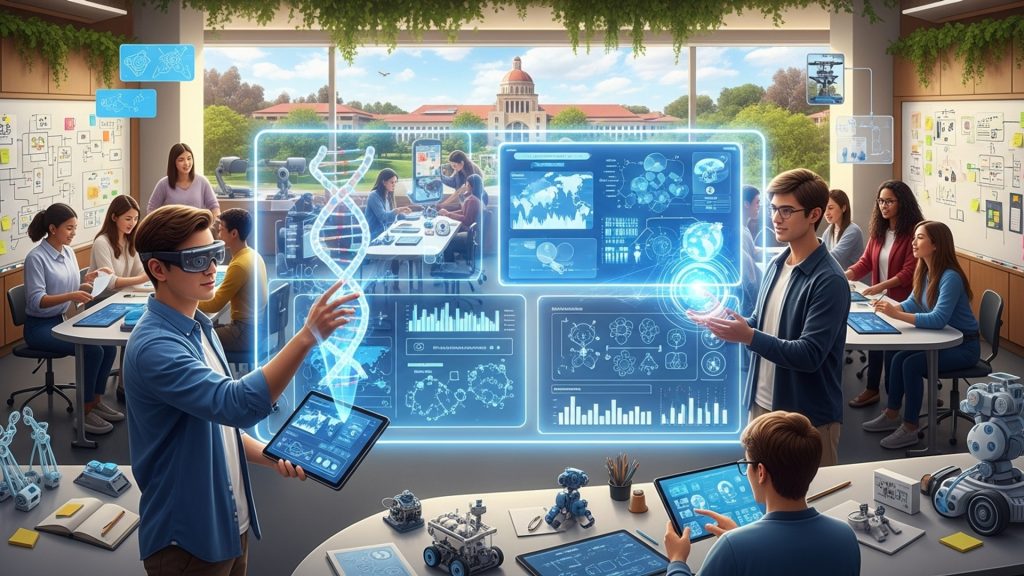
From the foundational algorithms powering today’s artificial intelligence to the groundbreaking advancements in personalized medicine, Stanford University stands as a crucible of discovery, continually reshaping global landscapes. Its researchers are not merely publishing papers; they are actively engineering the future, evident in breakthroughs like scalable quantum computing and autonomous systems that redefine industries. This relentless pursuit of knowledge, often bridging diverse disciplines from computer science to climate science, directly translates into technologies and solutions impacting everything from sustainable energy grids to your daily digital interactions. Stanford’s unique ecosystem fosters an innovation pipeline, transforming complex theoretical frameworks into tangible tools that empower individuals and drive societal progress.
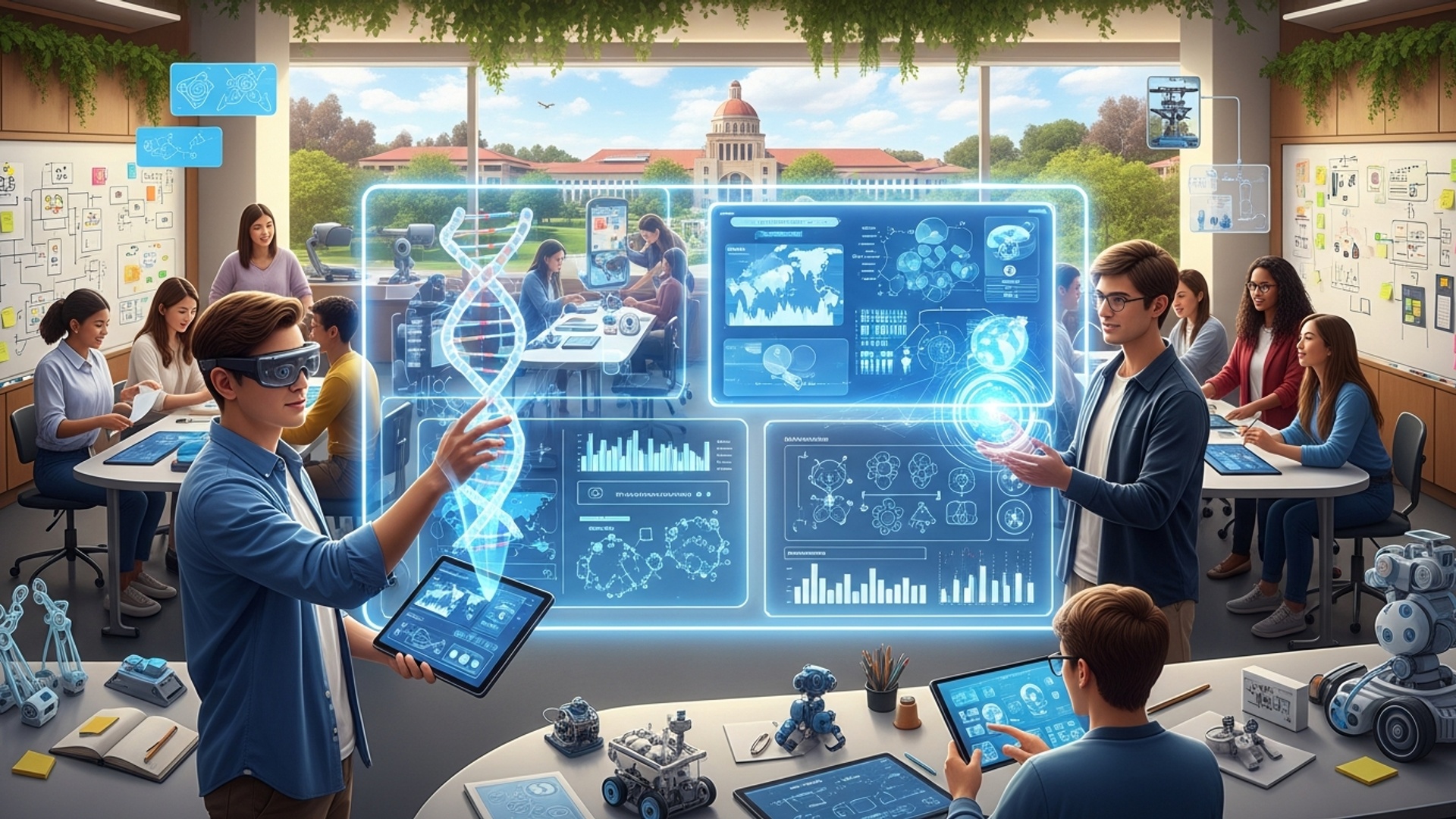
The Power of Curiosity: What is Innovation and Why Stanford University Excels At It
Ever wondered how new ideas turn into the technologies, medicines. solutions that shape our world? That’s innovation! At its core, innovation is about creating something new or improving existing things in a way that adds significant value. It’s not just about inventing a gadget; it’s about solving real-world problems and making life better for people.
So, what makes a place a hotbed for this kind of groundbreaking work? For Stanford University, it’s a unique blend of factors:
- A Culture of Exploration
- Interdisciplinary Collaboration
- Proximity to Silicon Valley
- World-Class Talent
From its very beginnings, Stanford University has fostered an environment where asking “what if?” is encouraged. failure is seen as a stepping stone to success. This fearless pursuit of knowledge drives researchers to push boundaries.
Instead of keeping fields separate, Stanford actively encourages experts from different areas — like computer science, medicine, engineering. even arts — to work together. This cross-pollination of ideas often leads to breakthroughs that wouldn’t happen in isolation.
Located right in the heart of Silicon Valley, Stanford University benefits from a vibrant ecosystem of tech companies, startups. venture capitalists. This means research often finds a direct path from the lab to real-world application, sometimes even becoming the next big company.
Stanford attracts some of the brightest minds globally — students, professors. researchers — who are passionate about making a difference. This concentration of intelligence and dedication creates an unstoppable force for innovation.
Think of it like a giant, super-charged brainstorming session. with all the resources and brilliant minds needed to turn those ideas into reality. This is why Stanford University has been. continues to be, a crucial player in shaping tomorrow’s world.
Pioneering Research Areas: How Stanford University Is Reshaping Tomorrow
Stanford University isn’t just dabbling in a few fields; its researchers are actively leading the charge in numerous areas that will profoundly impact your future. Let’s dive into some of the most exciting ones.
Artificial Intelligence (AI) and Machine Learning: Your Future, Smarter Than Ever
- Artificial Intelligence (AI)
- Machine Learning (ML)
Stanford University’s AI Lab has been a pivotal force in this field for decades. Researchers here are not just building smarter algorithms; they’re exploring the ethical implications, ensuring AI benefits humanity.
- Real-World Applications
- Healthcare
- Self-Driving Cars
- Personalized Technology
- Climate Modeling
- How it Impacts Your Future
AI can examine medical images (like X-rays or MRIs) to detect diseases earlier and more accurately than the human eye. It can also help discover new drugs or personalize treatment plans.
AI is the brain behind autonomous vehicles, allowing them to perceive their surroundings, make decisions. navigate safely.
Ever noticed how Netflix recommends shows you might like, or Spotify suggests new music? That’s AI learning your preferences.
AI helps scientists process vast amounts of climate data to predict environmental changes and develop mitigation strategies.
Imagine a future where your smartphone is an even smarter assistant, helping you learn, manage your health, or navigate complex tasks. AI could also lead to personalized education, tailoring learning experiences to your unique pace and style, or creating new forms of entertainment and communication. The tools you use every day, from search engines to social media, are constantly being refined by AI developments emerging from places like Stanford University.
Biotechnology and Healthcare: A Longer, Healthier Life Awaits
Biotechnology is a vast field that uses biological systems, living organisms, or derivatives thereof, to create or modify products or processes for a specific use. In healthcare, this means using our understanding of biology to prevent, diagnose. treat diseases.
Stanford University’s School of Medicine and Bio-X institute are at the forefront of this revolution, pushing the boundaries of what’s possible in human health.
- Real-World Applications
- Gene Editing
- New Drug Discovery
- Personalized Medicine
- Medical Devices
- How it Impacts Your Future
Imagine being able to “edit” faulty genes that cause inherited diseases. Stanford researchers are exploring advanced gene-editing tools to potentially cure genetic disorders.
Biotech allows scientists to develop innovative drugs and therapies faster and more effectively, targeting diseases like cancer, Alzheimer’s. infectious diseases.
Instead of a one-size-fits-all approach, biotechnology enables doctors to tailor treatments based on an individual’s unique genetic makeup, leading to more effective and safer care.
From advanced prosthetics that can be controlled by thought to tiny sensors that monitor vital signs, Stanford University is developing groundbreaking medical devices that improve quality of life.
This research means a future where serious diseases might be preventable or curable, where illnesses are diagnosed earlier. treatments are more effective and less invasive. It promises a world where you can live a longer, healthier. more active life. Think about advancements in vaccinations, cancer therapies, or even regenerative medicine that could repair damaged organs — many of these innovations have roots in institutions like Stanford University.
Sustainable Technologies: Building a Greener Tomorrow
With global concerns about climate change and resource depletion, sustainable technologies are solutions designed to reduce our environmental impact, conserve natural resources. promote a healthier planet for future generations. This can range from renewable energy sources to new ways of managing waste and pollution.
Stanford University is deeply committed to addressing these challenges through its Precourt Institute for Energy and the Doerr School of Sustainability, focusing on innovative solutions for a greener future.
- Real-World Applications
- Renewable Energy
- Climate Science and Modeling
- Water Purification
- Sustainable Materials
- How it Impacts Your Future
Research into more efficient solar panels, advanced battery storage. next-generation biofuels is crucial for moving away from fossil fuels.
Understanding climate patterns and their impacts helps develop strategies for adaptation and mitigation, from predicting extreme weather to improving agricultural practices.
Developing new, cost-effective methods to purify water is vital for communities facing water scarcity worldwide.
Creating biodegradable plastics, eco-friendly building materials. more efficient manufacturing processes reduces waste and pollution.
This research directly affects the quality of the air you breathe, the water you drink. the stability of the planet you’ll inherit. It means a future powered by clean energy, with less pollution. more resilient communities. Innovations from Stanford University could lead to greener cities, more sustainable food systems. a healthier environment for everyone.
Computer Science and Digital Innovation: Connecting Your World
- Computer Science
- Digital Innovation
From the early days of the internet to the latest advancements in cybersecurity and virtual reality, Stanford University has been a consistent driver of digital progress.
- Real-World Applications
- Internet Foundations
- Cybersecurity
- Virtual and Augmented Reality (VR/AR)
- Human-Computer Interaction (HCI)
- How it Impacts Your Future
Many of the core technologies and protocols that make the internet work today were developed or significantly influenced by Stanford researchers and alumni.
Protecting our digital lives from threats is paramount. Stanford researchers are developing advanced encryption methods and intrusion detection systems to keep your data safe.
Creating immersive digital experiences for entertainment, education. even medical training is a rapidly growing field with significant Stanford contributions.
This field focuses on making technology intuitive and easy to use, designing interfaces that feel natural and enhance productivity.
Your online interactions, from social media to online banking, are built on technologies refined at places like Stanford University. A safer, more intuitive. more immersive digital world means new ways to learn, connect, work. play. Imagine truly immersive educational experiences in VR, or perfectly secure digital identities that protect you from fraud — these are all areas being actively explored.
The Stanford Ecosystem: From Lab to Living Room
What truly sets Stanford University apart is not just the brilliance within its labs. the powerful ecosystem that transforms groundbreaking research into real-world solutions that touch your life.
Interdisciplinary Collaboration: Breaking Down Walls
Imagine a cancer researcher needing help with a complex data analysis problem. Instead of being stuck, they can walk down the hall and collaborate with an expert in AI. That’s the power of interdisciplinary collaboration — it breaks down the traditional “silos” between academic departments. At Stanford University, this isn’t just encouraged; it’s ingrained in the culture. Institutes like Bio-X and the Doerr School of Sustainability are specifically designed to bring together scientists, engineers. clinicians from diverse backgrounds to tackle complex problems that no single field could solve alone. This collaborative spirit means that a new material developed by an engineer might quickly find an application in medicine, or a biological discovery might inspire a new computing algorithm.
Entrepreneurship and Startups: Fueling the Future Economy
Stanford University has an unparalleled connection to the world of entrepreneurship. It’s often called the “birthplace of Silicon Valley” for good reason. Many of the tech giants you know today, like Google, Hewlett-Packard. Cisco, have deep roots at Stanford. This isn’t a coincidence. Stanford actively fosters an entrepreneurial mindset, providing resources, mentorship. opportunities for researchers and students to turn their ideas into viable companies. This “lab to market” pathway means that innovations developed in university labs don’t just stay in academic journals; they often become the products and services that shape our daily lives and create new industries and job opportunities for your generation. The university’s Office of Technology Licensing (OTL) helps researchers patent their inventions and license them to companies, ensuring that discoveries benefit society.
Student Involvement: Your Chance to Innovate
If you’re a student at Stanford University, you’re not just attending lectures; you’re often actively involved in cutting-edge research. Undergraduates and graduate students work side-by-side with leading professors, contributing to projects that could literally change the world. This hands-on experience is invaluable. Even if you don’t attend Stanford, understanding this model is crucial. It highlights that innovation isn’t just for seasoned experts; young, curious minds are essential to the process. Many groundbreaking ideas come from fresh perspectives. engaging with science, technology, engineering. math (STEM) fields now can equip you to be part of the next wave of innovation, no matter where you study.
Beyond the Lab: Real-World Transformations from Stanford University
It’s one thing to talk about research in abstract terms. it’s another to see its tangible impact. Stanford University has a rich history of innovations that have transitioned from academic curiosities to tools and technologies that have fundamentally transformed our world. Let’s look at a couple of examples:
The Foundations of the Internet and Search
Think about your daily life online. Whether you’re streaming videos, researching for school, or connecting with friends, you’re using systems influenced by Stanford University. In the early days of the internet, fundamental networking protocols — the rules that allow computers to talk to each other — were significantly developed and refined by researchers at Stanford. Without these foundational contributions, the robust and interconnected internet we know today might not exist in its current form.
Perhaps even more famously, the global search engine giant, Google, was founded by two Stanford Ph. D. students, Larry Page and Sergey Brin, in 1998. Their research project at Stanford University on how to better organize the vast amount of data on the internet led to an algorithm that ranked web pages based on relevance and authority. This wasn’t just a minor improvement; it revolutionized how we access details and reshaped the entire digital landscape. This incredible leap from a university research project to a world-changing company is a prime example of Stanford’s unique entrepreneurial ecosystem at work.
Revolutionizing Medical Imaging and Diagnostics
Consider the power of seeing inside the human body without invasive surgery. Stanford University has been a leader in advancements in medical imaging technologies. For example, research at Stanford has contributed significantly to improving Magnetic Resonance Imaging (MRI) technology. MRI uses strong magnetic fields and radio waves to create detailed images of organs and tissues within the body, helping doctors diagnose everything from brain tumors to torn ligaments.
More recently, Stanford researchers have been at the forefront of developing AI-powered diagnostic tools. One compelling example is the use of deep learning (a type of AI) to review medical scans, such as X-rays or CT scans, to detect diseases like pneumonia, certain cancers, or even early signs of blindness with incredible accuracy. Imagine a scenario where an AI system developed at Stanford University can help doctors in remote areas diagnose critical conditions even faster, potentially saving countless lives. These innovations make healthcare more precise, efficient. accessible, directly impacting how you and your loved ones receive medical care throughout your lives.
Your Role in the Innovation Journey
It’s easy to think that innovation is something only brilliant scientists in labs at places like Stanford University do. that’s not true! You have a vital role to play in shaping the future, whether you become a scientist, an artist, an entrepreneur, or anything else. Here’s how you can start contributing to the innovation journey:
- Cultivate Curiosity
- Embrace Problem-Solving
- Explore STEM Fields
- Learn Continuously
- Collaborate and Communicate
- Don’t Fear Failure
The most powerful tool of an innovator is curiosity. Ask “why?” and “what if?” constantly. Don’t be afraid to question how things work or to imagine how they could be better. This is the starting point for every great discovery.
Innovation is fundamentally about solving problems. Look around you — what frustrates you? What could be improved? Even small problems can lead to big ideas. Practice thinking critically and brainstorming solutions.
Science, Technology, Engineering. Mathematics (STEM) are the engines of many modern innovations. Take science classes seriously, explore coding, join robotics clubs, or dabble in engineering projects. These fields equip you with the skills and knowledge to interpret and build the future.
The world is changing rapidly. The most successful innovators are lifelong learners. Read books, watch documentaries, follow scientific news. always be open to new ideas and perspectives.
Great ideas rarely happen in isolation. Work with others, share your thoughts. learn to communicate your ideas clearly. The interdisciplinary spirit championed by Stanford University shows that diverse perspectives lead to stronger solutions.
Every great innovator has faced setbacks. Failure isn’t the end; it’s a learning opportunity. See mistakes as data points that guide you toward a better solution.
By adopting these habits, you’re not just waiting for the future to happen; you’re actively preparing to build it. The next world-changing idea could very well come from you, inspired by the spirit of innovation fostered at institutions like Stanford University.
Conclusion
Stanford’s profound legacy, from pioneering the AI advancements that power our daily lives to developing groundbreaking biotech solutions like CRISPR gene editing, unmistakably shapes tomorrow’s world and, by extension, your future. Its distinct culture of interdisciplinary collaboration and entrepreneurial spirit continuously transforms theoretical research into tangible innovations, addressing current trends in areas like sustainable energy and personalized medicine. My personal tip for unlocking your own potential is to emulate this mindset: cultivate relentless curiosity and embrace challenges as opportunities for discovery. Actively seek out diverse perspectives, engage with emerging technologies. perhaps contribute to open-source projects or community initiatives aligned with areas like climate tech. The future isn’t merely something to witness; it’s a dynamic canvas awaiting your contribution. Be an active participant, fostering your own innovative spirit. realize that profound impact begins with a single, thoughtful question.
More Articles
Mastering the Future: Essential Digital Leadership Skills for 2025 Business Impact
Unlocking Tomorrow: MIT’s Pioneering Research in AI and Climate Technology Innovations
How Columbia University Shapes Sustainable Urban Futures and Global Leadership for Tomorrow
Leading the Next Generation: Harvard’s Vision for Ethical Leadership in 2025

FAQs
What’s the big picture behind ‘Unlocking Innovation: How Stanford Research Shapes Tomorrow’s World and Your Future’?
It’s all about how Stanford isn’t just doing academic research; they’re actively creating groundbreaking solutions and discoveries that directly influence technological advancements, healthcare improvements. societal progress globally, ultimately impacting everyone’s daily life and future opportunities.
How does Stanford’s research actually affect my everyday life?
You might not realize it. many innovations you use daily—from smartphone technology and search engines to medical treatments and sustainable energy solutions—have roots in or have been significantly advanced by Stanford research. They’re shaping the tools, health. environment you interact with constantly.
Can you share a few cool examples of Stanford’s game-changing discoveries?
Absolutely! Think about pioneers in genetic engineering (like CRISPR technology), the foundational work for Google, significant strides in AI and robotics, breakthroughs in personalized medicine for cancer. cutting-edge developments in renewable energy. These are just a few areas where Stanford has made massive waves.
What makes Stanford’s approach to innovation stand out from other big research institutions?
Stanford often fosters a highly interdisciplinary environment, encouraging collaboration across diverse fields like engineering, medicine, humanities. business. They also have a strong culture of entrepreneurship, often translating laboratory discoveries into real-world applications and startups faster than many other places.
How does Stanford ensure its research keeps pushing the boundaries for what’s next?
They do this by investing heavily in basic science, which might not have immediate applications but lays the groundwork for future breakthroughs. They also attract top-tier talent, encourage bold, unconventional thinking. provide resources for long-term, high-risk, high-reward projects. It’s about looking far ahead.
What kinds of career paths are being shaped or created by this kind of forward-thinking research?
So many! Beyond traditional research roles, you’ll find careers in biotech, AI development, sustainable energy engineering, personalized medicine, data science, tech entrepreneurship. even ethical AI policy. The innovations open up entirely new industries and job functions.
I’m not a scientist. I’m interested. How can I keep up with or learn more about these innovations?
You can follow Stanford’s official news channels, science and engineering publications, or even podcasts that highlight university research. Many departments also publish accessible summaries of their work. Keeping an eye on tech and science news outlets will often feature Stanford’s latest findings.