
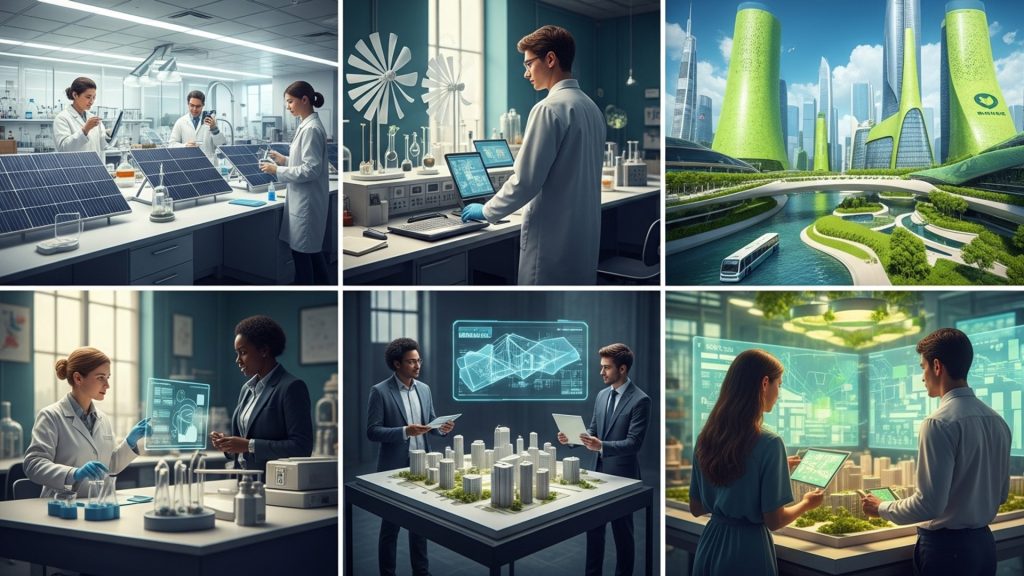
As humanity confronts multifaceted global challenges, from accelerating climate change to evolving public health threats, University College London actively pioneers solutions for a sustainable 2025 and beyond. This world-leading institution leverages its interdisciplinary research prowess, exemplified by groundbreaking work in renewable energy integration and AI applications for precision medicine, directly addressing the UN Sustainable Development Goals. University College London’s commitment extends beyond theoretical discovery, translating cutting-edge insights into tangible innovations that shape global policy, drive economic resilience. foster equitable societal progress.
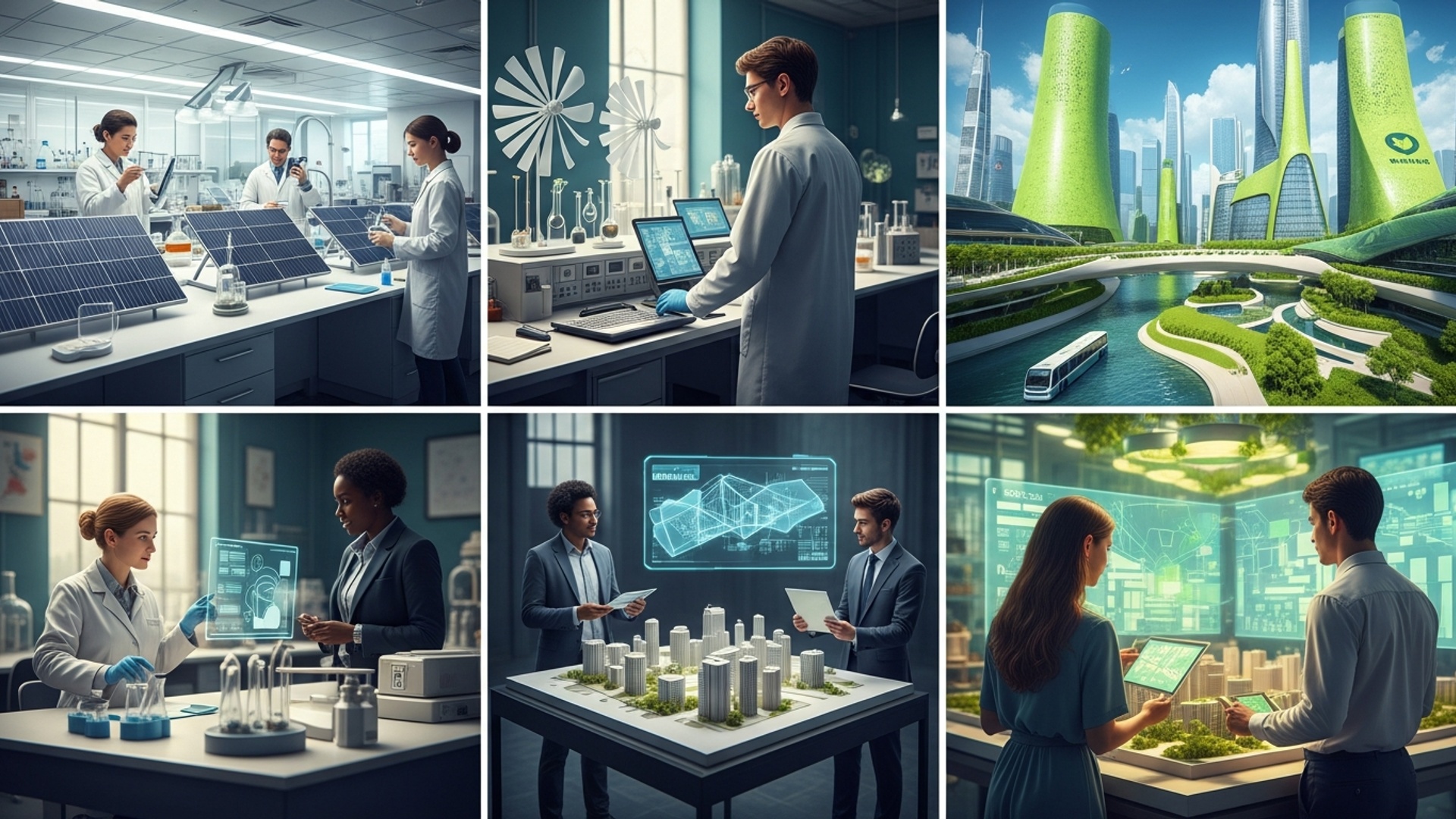
Understanding the Drive Towards a Sustainable Future
Ever wondered what a ‘sustainable future’ really means, beyond just recycling your plastic bottles? For institutions like University College London, it’s about pioneering research and real-world solutions that ensure our planet can thrive for generations to come. Imagine a world where our energy comes from clean sources, where cities are designed to be green and healthy. where everyone has access to quality healthcare and education. That’s the vision of a sustainable 2025 and beyond. UCL is at the forefront of making it a reality.
Sustainability, simply put, is about meeting the needs of the present without compromising the ability of future generations to meet their own needs. It’s a holistic approach that considers environmental protection, social equity. economic viability. When we talk about innovation and research for sustainability, we mean creating new knowledge, technologies. policies that help us achieve this balance.
UCL’s Groundbreaking Research in Environmental Sustainability
The climate crisis is one of the most pressing challenges of our time. University College London is tackling it head-on. Researchers across various departments are developing solutions that could transform our relationship with the planet. For instance, consider the work being done in renewable energy. While solar panels and wind turbines are familiar, UCL scientists are exploring next-generation technologies that are more efficient and less resource-intensive.
- Advanced Materials for Energy: Imagine a window that not only lets light in but also generates electricity! UCL researchers are developing transparent solar cells and novel materials for batteries that are lighter, safer. store more energy. This could revolutionize how we power our homes and devices.
- Climate Modelling and Prediction: Understanding climate change isn’t just about observing it; it’s about predicting its future impacts. Experts at University College London use complex computer models to forecast everything from sea-level rise to extreme weather events, providing crucial data for policymakers and communities to prepare and adapt.
- Sustainable Urban Planning: With most of the world’s population living in cities, designing sustainable urban environments is vital. UCL’s Bartlett School of Architecture and Built Environment is a global leader in this field, researching green infrastructure, smart city technologies. resilient urban design that integrates nature and promotes well-being. Think about parks that absorb rainwater to prevent flooding, or buildings that naturally regulate temperature, reducing energy consumption.
One fascinating area is the development of circular economy principles. Instead of a ‘take-make-dispose’ model, a circular economy aims to keep resources in use for as long as possible. UCL research includes designing products that can be easily repaired, reused, or recycled, minimizing waste and pollution.
Innovating for Global Health and Well-being
Beyond environmental concerns, UCL’s impact extends to improving human health and well-being worldwide. The university’s medical and life sciences research is pushing boundaries, from developing new treatments to understanding public health challenges.
- Revolutionary Medical Discoveries: Researchers at University College London have been instrumental in breakthroughs like gene therapy for inherited eye diseases, offering hope where there was none. They are also working on new diagnostics and treatments for conditions ranging from cancer to neurological disorders, often leveraging artificial intelligence to accelerate discovery.
- Public Health Initiatives: It’s not just about curing diseases. preventing them and promoting healthier lifestyles. UCL’s Institute of Health Equity, led by Professor Sir Michael Marmot, focuses on understanding and addressing health inequalities – why some groups of people are healthier than others. what policies can change that. Their work impacts global health strategies, aiming for a fairer and healthier world for everyone.
- Mental Health Innovation: Especially relevant for young adults, UCL is leading research into understanding the brain and developing innovative approaches to mental health care. This includes using digital tools and personalized therapies to support mental well-being, breaking down stigmas. making support more accessible.
For example, imagine an AI tool that could help diagnose a rare disease much faster than traditional methods, or an app designed by UCL researchers that helps young people manage anxiety through evidence-based techniques. These are the types of real-world applications emerging from UCL’s dedication to health innovation.
Technology for a Better Tomorrow: AI, Robotics. Smart Solutions
Technology is a powerful tool for achieving sustainability goals. University College London is a hub for developing cutting-edge solutions. This isn’t just about building faster computers; it’s about using technology ethically and intelligently to solve complex problems.
- AI for Good: Artificial Intelligence (AI) isn’t just for sci-fi movies or chatbots. UCL researchers are harnessing AI to tackle global challenges. For instance, AI algorithms are being developed to optimize energy grids, predict crop yields to prevent food shortages, or even assist in disaster response by analyzing satellite imagery.
- Sustainable Robotics: Robotics can automate dangerous tasks, improve efficiency. even assist in environmental monitoring. UCL is exploring how robots can be used in sustainable ways, from autonomous systems that inspect infrastructure for damage (reducing human risk) to robots that can sort waste more efficiently for recycling.
- Smart City Technologies: Picture a city where traffic flows smoothly, air quality is constantly monitored. energy consumption is minimized. UCL is at the forefront of developing the smart technologies – sensors, data analytics. interconnected systems – that make such cities possible. This includes intelligent transport systems that reduce congestion and pollution. smart grids that manage energy distribution more effectively.
Consider the potential of a system like this:
# Pseudocode for a smart city energy optimization system developed at UCL
def optimize_city_energy(data_stream): energy_demand = data_stream. get_current_demand() renewable_supply = data_stream. get_renewable_generation() battery_storage = data_stream. get_battery_levels() if renewable_supply > energy_demand: # Store excess energy in batteries store_energy(renewable_supply - energy_demand) elif renewable_supply < energy_demand: # Draw from batteries or grid if battery_storage > (energy_demand - renewable_supply): release_energy_from_battery(energy_demand - renewable_supply) else: draw_from_grid(energy_demand - renewable_supply - battery_storage) log_energy_usage(energy_demand, renewable_supply, battery_storage) return "Energy optimized for current cycle."
This code block illustrates how a smart system could balance energy supply and demand in real-time, a concept actively researched at University College London to build more resilient and sustainable urban environments.
Fostering Interdisciplinary Collaboration and Global Partnerships
One of UCL’s greatest strengths in driving global impact is its commitment to interdisciplinary research. This means bringing together experts from different fields – scientists, engineers, social scientists, artists. policymakers – to tackle complex problems from multiple angles. For example, addressing climate change isn’t just an engineering problem; it requires understanding human behavior, economic impacts. political solutions.
Here’s a comparison of traditional versus interdisciplinary research approaches:
| Feature | Traditional Research (Siloed) | Interdisciplinary Research (UCL Approach) |
|---|---|---|
| Problem Scope | Focuses on narrow, discipline-specific questions. | Addresses complex, real-world problems from multiple angles. |
| Expertise Involved | Researchers primarily from one academic field. | Experts from diverse fields (e. g. , engineering, psychology, law). |
| Solution Type | Often theoretical or highly specialized. | Holistic, practical. adaptable solutions. |
| Impact Potential | Deep impact within a specific domain. | Broad, systemic impact on society and environment. |
University College London also actively engages in global partnerships. By collaborating with universities, governments, NGOs. industries worldwide, UCL ensures its research has far-reaching relevance and impact. These collaborations are vital for sharing knowledge, scaling up solutions. addressing global challenges that no single institution can solve alone.
Your Role in a Sustainable Future: Actionable Takeaways
As young adults and teens, you might be wondering how all this high-level research at University College London connects to you. The truth is, it connects directly to your future, your career choices. the world you will inherit and shape. Here are some actionable takeaways:
- Stay Informed: Follow the news on scientific breakthroughs and sustainability initiatives. interpret the challenges and the progress being made. Websites like UCL’s news portal or reputable science journals can be great resources.
- Consider Your Career Path: Are you passionate about the environment, health, or technology? A career in sustainable engineering, public health, climate science, or ethical AI development could be incredibly rewarding and impactful. Universities like UCL are training the next generation of leaders in these fields.
- Support Sustainable Practices: Even small actions make a difference. Advocate for sustainability in your schools and communities, support eco-friendly businesses. make conscious choices about what you consume.
- Engage with Research: If you’re considering higher education, look for institutions like University College London that prioritize impactful research. Many universities offer opportunities for students to get involved in research projects, even at an undergraduate level.
- Think Critically: Don’t just accept details at face value. Question, review. seek out diverse perspectives on complex issues. This critical thinking is at the heart of the research conducted at UCL.
The work happening at University College London isn’t just academic; it’s about building a better, more sustainable world for everyone. By understanding these efforts and thinking about your own role, you can become part of the solution.
Conclusion
UCL’s commitment to innovation and research for a sustainable 2025 is not merely an academic pursuit; it’s a dynamic blueprint for global progress. We’ve seen how its interdisciplinary approach tackles complex challenges, from pioneering AI applications in healthcare to designing resilient urban environments, much like how cutting-edge technology today reshapes our daily lives. This forward-thinking ethos underscores a vital truth: true impact stems from collaboration and a relentless drive to translate discovery into tangible solutions. My personal tip for anyone aspiring to contribute to this sustainable future is to embrace active participation. Don’t just observe the trends; engage with them. Seek out opportunities to connect diverse fields, as I’ve found firsthand in my own projects that the most profound insights often emerge at the intersection of different disciplines. UCL demonstrates that the future isn’t something that happens to us. something we actively build, requiring us to think beyond traditional silos. Therefore, let us carry forward the spirit of UCL’s leadership in research and innovation. By fostering curiosity, championing ethical progress. committing to sustainable practices in our own spheres, we collectively contribute to a more equitable and thriving world. The journey to a sustainable 2025 and beyond is a shared responsibility. with institutions like UCL lighting the path, we are empowered to make a meaningful difference.
More Articles
Stanford’s Startup Ecosystem: Fueling Innovation and Entrepreneurship for the Digital Future
Decoding Oxford’s Impact: How Cutting-Edge Research Shapes Tomorrow’s Global Solutions
Open University: Making Flexible Higher Education Accessible for Tomorrow’s Global Workforce
Unlock Your Career Potential: Choosing the Best MBA Specialization for 2025 Success

FAQs
What’s the big idea behind ‘UCL’s Global Impact: Leading Innovation and Research for a Sustainable 2025’?
This initiative is all about UCL harnessing its world-leading research and innovative spirit to tackle urgent global challenges. The goal is to drive meaningful change and contribute to a more sustainable future by the year 2025, focusing on areas where our impact can be truly transformative worldwide.
Can you give some examples of the types of innovation UCL is driving for sustainability?
Absolutely! We’re talking about a wide range, from developing new clean energy technologies and sustainable urban planning models to pioneering health solutions and environmental conservation strategies. It really spans across various disciplines, all with the aim of creating practical, impactful solutions for a sustainable world.
How does UCL make sure its research actually has a global impact?
UCL actively collaborates with international partners, governments, NGOs. communities worldwide. We believe in co-creating solutions, sharing knowledge across borders. ensuring our research addresses diverse global needs, not just local ones. Our global network is key to translating discoveries into widespread benefit.
Why is the year 2025 significant for this initiative?
2025 serves as a strategic milestone for us to assess progress and demonstrate tangible outcomes in our sustainability efforts. It’s a horizon we’re working towards to accelerate solutions and show the measurable impact of our research and innovation on a global scale within a defined timeframe.
How can someone or an organization get involved with UCL’s sustainability work?
There are many ways! You could explore collaborative research partnerships, engage with our public lectures and events, support our various projects, or even consider studying at UCL to contribute directly. We’re always keen to connect with individuals and organizations who share our vision for a sustainable future.
What makes UCL particularly strong in leading this kind of global sustainability effort?
UCL’s unique strength comes from its multidisciplinary approach, bringing together experts from diverse fields – from engineering and medicine to social sciences and arts – to tackle complex problems holistically. Coupled with our strong commitment to public engagement and a history of disruptive innovation, we’re well-placed to drive real change.
Are there any cool projects or achievements you can point to that show this impact?
Definitely! While we’re not listing specific project names here to keep things broad, imagine breakthroughs in developing low-carbon building materials being adopted globally, or innovative public health interventions improving lives in developing countries, or new policies inspired by our climate research. These are the kinds of impactful outcomes we’re consistently working towards and achieving.