
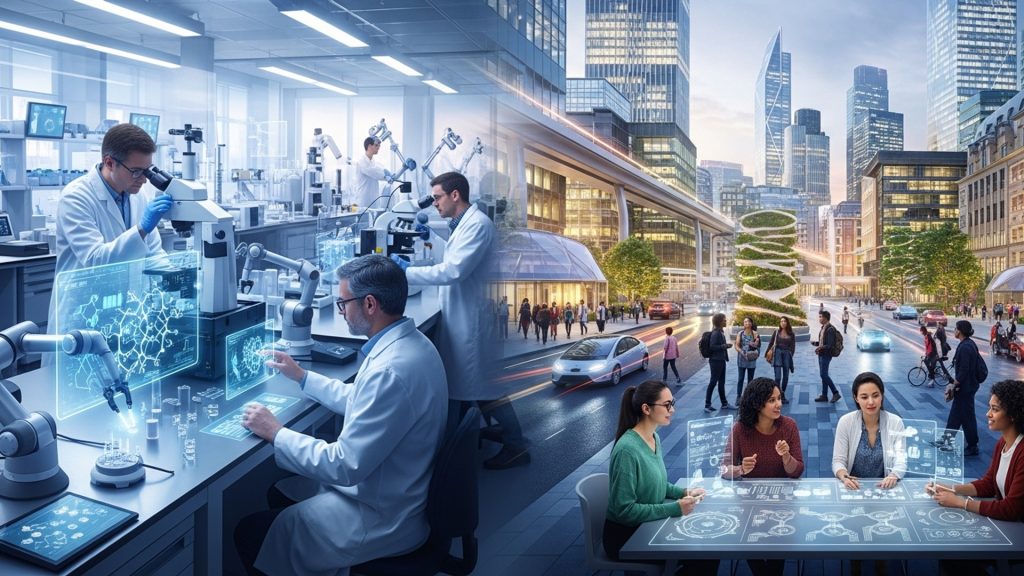
As global cities grapple with unprecedented challenges from climate change to public health, University College London stands as a pivotal nexus of innovation, actively engineering the future. Researchers at UCL are pioneering advancements in areas like AI-driven smart infrastructure, developing predictive models for urban resilience. revolutionizing regenerative medicine to address pressing societal needs. This interdisciplinary research, deeply embedded within London’s dynamic urban landscape, not only pushes scientific boundaries but also directly informs the evolution of metropolitan living, creating a unique synergy where academic rigor meets real-world application, continually redefining what’s possible in a connected, urbanized world.
Unlocking Tomorrow’s World: The Powerhouse of University College London
Ever wondered where the ideas that shape our future come from? Places where brilliant minds come together to solve the world’s biggest challenges, from climate change to urban living. One such global hub of innovation is University College London (UCL). It’s not just a university; it’s a vibrant ecosystem where cutting-edge research isn’t confined to dusty labs but actively spills out into the bustling streets of one of the world’s most dynamic cities.
UCL is renowned for its multidisciplinary approach, meaning experts from different fields – like engineering, medicine, arts. social sciences – collaborate to tackle complex problems. This isn’t just about making cool gadgets; it’s about creating sustainable solutions, improving public health. designing the cities of tomorrow. Imagine a team of architects, computer scientists. psychologists working together to design a truly smart and livable city – that’s the kind of synergy you find at University College London.
Decoding Cutting-Edge Research: What’s Happening at UCL?
At the heart of UCL lies groundbreaking research that’s constantly pushing boundaries. Let’s dive into a few exciting areas:
Artificial Intelligence (AI) and Machine Learning (ML)
- Artificial Intelligence
- Machine Learning
At University College London, researchers are using AI and ML in incredible ways. For instance, they’re developing AI models to:
- Diagnose diseases like cancer and eye conditions earlier and more accurately than ever before. Imagine an AI that can spot subtle signs a doctor might miss, potentially saving countless lives.
- Create ‘smart’ traffic systems that reduce congestion and pollution in cities.
- Design personalized learning tools that adapt to each student’s needs, making education more effective and engaging.
Here’s a simplified conceptual look at how an AI might process data for a smart city traffic system:
// Conceptual AI traffic prediction algorithm
FUNCTION PredictTrafficFlow(historicalData, realTimeSensorData, weatherForecast) // 1. Collect and clean data from various sources processedData = CleanAndIntegrate(historicalData, realTimeSensorData, weatherForecast) // 2. Train a Machine Learning model (e. g. , a neural network) // to identify patterns between inputs (time, weather, events) // and outputs (traffic density, speed) trainedModel = TrainModel(processedData) // 3. Use the trained model to predict future traffic conditions predictedFlow = trainedModel. Predict(currentConditions, futureEvents) // 4. Output recommendations for traffic light adjustments or route suggestions RETURN predictedFlow
END FUNCTION
This snippet shows the basic steps: gathering data, learning from it. then making predictions or recommendations. UCL’s experts are refining these complex algorithms to make our urban environments smarter and more efficient.
Pioneering Sustainable Futures
Climate change and environmental degradation are massive global challenges. University College London is at the forefront of finding solutions. Their research covers a vast spectrum, including:
- Renewable Energy Technologies
- Circular Economy Principles
- Climate Modelling and Adaptation
Developing more efficient solar cells, advanced battery storage. even exploring novel forms of energy generation.
Moving away from a “take-make-dispose” model to one where resources are kept in use for as long as possible, extracting maximum value from them, then recovering and regenerating products and materials at the end of each service life. UCL’s Bartlett School of Architecture, for example, explores how buildings can be designed for deconstruction and reuse.
Understanding how climate change will impact different regions and developing strategies for communities to adapt, from flood defenses to drought-resistant crops.
One impactful project might involve researching new materials that are biodegradable and self-healing, drastically reducing waste in construction or packaging. Imagine a phone case that naturally breaks down into harmless components after you upgrade, or a building material that repairs its own cracks!
Innovating Urban Life and Health
Living in a big city like London presents unique challenges and opportunities. UCL’s research in urban innovation and health is directly tackling these, making cities better places to live.
- Smart Infrastructure
- Mental Health and Wellbeing
- Biomedical Breakthroughs
From intelligent transport networks that predict delays to buildings that can monitor their own energy consumption and air quality, UCL is designing the next generation of urban infrastructure.
With growing concerns about mental health, especially among young people, UCL researchers are developing digital interventions, understanding urban stressors. pioneering new therapies. They might be studying how green spaces in cities impact mood or creating apps that provide accessible mental health support.
From gene therapies to advanced prosthetics, UCL’s medical research is truly life-changing. They’re exploring how to regenerate tissues, fight stubborn diseases. improve the quality of life for people with disabilities. For example, researchers at University College London are developing tiny robots that can navigate the human body to deliver drugs precisely where they’re needed, minimizing side effects.
UCL and Urban Life: London as a Living Laboratory
What makes University College London uniquely positioned for this kind of innovation? Its location in the heart of London. The city itself becomes an extension of the campus, a “living laboratory” where theories can be tested and solutions deployed in a real-world setting.
Imagine architecture students at UCL studying historic buildings right outside their lecture halls, or urban planners analyzing London’s transport network for their projects. For young adults considering their future, this means unparalleled access to internships, industry connections. cultural experiences that enrich their academic journey. The vibrant, diverse atmosphere of London fuels creativity and provides endless inspiration for research and innovation.
Here’s a quick comparison of how UCL’s research interacts with urban challenges:
| Urban Challenge | UCL Research Focus | Real-World Application/Impact |
|---|---|---|
| Traffic Congestion & Pollution | AI for Smart Transport Systems | Optimized traffic lights, dynamic route planning, reduced emissions in London. |
| Waste & Resource Depletion | Circular Economy & Sustainable Materials | New building materials, recycling technologies, reduced landfill waste. |
| Access to Healthcare & Wellbeing | Digital Health & Mental Health Interventions | Telemedicine platforms, personalized therapy apps, improved public health strategies. |
| Energy Consumption & Climate Change | Renewable Energy & Green Infrastructure | Efficient solar panels, sustainable building designs, community energy projects. |
From Lab to Life: The Real-World Impact of UCL Innovation
The research at University College London doesn’t just stay in academic papers; it actively translates into real-world impact. Many innovations lead to:
- Spin-off Companies
- Policy Influence
- Community Engagement
Researchers often turn their discoveries into startups, bringing new technologies and services to the market. For instance, a UCL team might develop a new diagnostic tool for a disease. then create a company to manufacture and distribute it globally.
UCL experts advise governments, NGOs. international organizations, shaping policies that affect millions of people. Their insights on climate change, public health, or urban development directly inform decision-makers.
Through public lectures, workshops. citizen science projects, UCL shares its knowledge and empowers local communities. Imagine a project where local residents contribute data to map urban heat islands, helping to inform city planning for cooler neighborhoods.
A notable example is the development of a low-cost, easily manufacturable breathing aid (UCL-Ventura CPAP device) during the COVID-19 pandemic. A team of engineers, medical staff. industry partners at UCL rapidly designed and produced this device, which was approved for use by the NHS and shared globally, demonstrating how urgent research can have immediate, life-saving applications.
Your Path to Becoming a Future Innovator
If reading about these breakthroughs excites you, you might be wondering how you can be a part of it. University College London is a place where young minds are nurtured to become the next generation of innovators.
- Explore STEM Subjects
- Cultivate Curiosity
- Develop Problem-Solving Skills
- Embrace Collaboration
A strong foundation in Science, Technology, Engineering. Mathematics (STEM) is crucial for many of these fields. But, don’t forget the importance of design, ethics. social sciences; interdisciplinary thinking is key.
Ask “why?” and “how can we do this better?” The greatest innovations often start with a simple question.
Practice breaking down big problems into smaller, manageable parts.
Many of UCL’s breakthroughs come from teams working together. Learning to collaborate effectively is a vital skill.
Whether you dream of designing sustainable cities, curing diseases, or creating intelligent systems, places like University College London offer the environment and resources to turn those dreams into reality. It’s about more than just getting a degree; it’s about becoming a part of a global community dedicated to making a positive impact on the world.
Conclusion
In reflecting on UCL’s dynamic intersection of groundbreaking research and urban innovation, we’ve seen how theory translates directly into tangible improvements for city life. From pioneering sustainable infrastructure designs, like the recent work on smart drainage systems to combat flooding in London, to leveraging AI for more efficient public services, UCL exemplifies how academic rigor profoundly shapes our urban futures. My personal takeaway is to always look beyond the headlines and actively engage with local initiatives; perhaps you could join a community urban garden project or attend a public lecture on green technology. This isn’t merely about understanding; it’s about participating. The current trend towards citizen science in urban planning, for instance, highlights our collective power to contribute to data collection for air quality or noise pollution mapping. By staying curious and seeking out these practical applications, you’ll not only appreciate the scale of innovation but also discover avenues to contribute to making our cities more resilient and equitable. Let this inspire you to embrace the challenge of building better tomorrows, one smart urban solution at a time.
More Articles
Beyond the Books: UCL’s Interdisciplinary Research Shaping Global Urban Futures
Navigating Complexity: Oxford’s Insights on Global Policy and Ethical AI Challenges
Engineering Tomorrow: MIT’s Breakthroughs in AI and Robotics Transforming Industries
Unlock Your Future: How Stanford’s Innovation Ecosystem Powers Tomorrow’s Tech Leaders
Leading the Way: Key Management Skills for Tomorrow’s Dynamic Business Landscape

FAQs
What’s the main idea behind ‘Innovating Tomorrow’ at UCL?
It’s all about exploring how UCL is shaping the future through groundbreaking research and how that connects with the vibrant, dynamic experience of living and studying in London.
What kind of ‘cutting-edge research’ are we talking about here?
We’re delving into a wide range of forward-thinking projects, from new discoveries in medicine and AI to sustainable urban planning and cultural studies. It’s about ideas that are pushing boundaries and making a real impact.
How does urban life in London fit into this whole picture with UCL?
UCL is right in the heart of London, so urban life isn’t just a backdrop – it’s an integral part of our research and student experience. We’re looking at how the city inspires innovation, how our research addresses urban challenges. what it’s like to be part of such a global metropolis.
Who would find this exploration of innovation and city life most interesting?
Anyone curious about the future, science, urban development, or just life at a world-leading university in a major city. Whether you’re a prospective student, researcher, or just a curious mind, there’s something here for you.
Will I get to hear about actual innovations coming out of UCL?
Absolutely! The content focuses on highlighting real-world examples and breakthroughs from UCL’s various departments and institutes, showing how theoretical research translates into practical advancements that improve lives.
What makes UCL particularly special for this ‘Innovating Tomorrow’ theme?
UCL stands out because of its multidisciplinary approach and its location. We’re uniquely positioned to tackle complex global challenges by bringing together experts from different fields, all within one of the world’s most innovative cities.
Why should I care about ‘Innovating Tomorrow’ and UCL’s work?
Because it offers a glimpse into the future! Understanding UCL’s cutting-edge research and its connection to urban life provides insights into solutions for global challenges, new technologies. the evolving landscape of our cities and societies.