Rapid shifts in the Law in UK are reshaping how international students and graduates plan education and careers, driven by tighter migration controls and economic priorities. Recent reforms such as the 2024 restriction on student dependants, higher visa fees. stricter compliance checks signal a move toward selective mobility, while the Graduate Route faces intensified monitoring amid net migration targets. Graduates aiming to transition into work now confront higher Skilled Worker salary thresholds and employer sponsorship scrutiny, changing timelines and risk calculations. Universities, sponsors. applicants must interpret evolving Home Office guidance, from updated English language standards to digital right-to-work verification, as policy increasingly links study outcomes to labour market demand. Understanding how these legal adjustments interact with post-study opportunities has become essential for making informed, compliant decisions in a competitive immigration landscape.
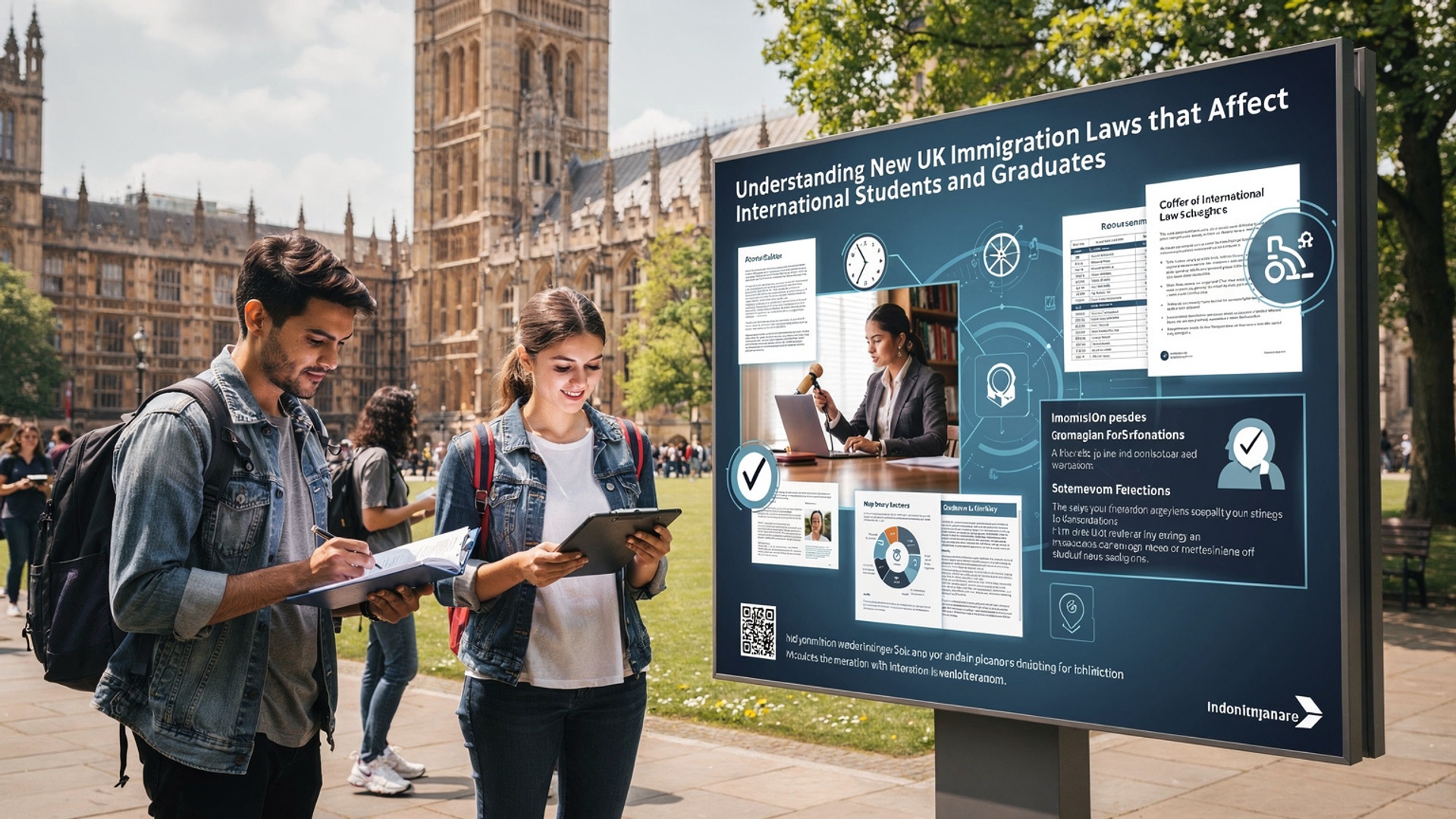
What Immigration Law Means for Students in the UK
Immigration law explains the rules a country sets about who can enter, stay, study, work, or settle there. In simple terms, Law in UK immigration decides how international students and graduates can live their lives while studying or after finishing education.
For young readers, think of immigration law like the school rules of a country. Just as schools have rules about attendance, uniforms. exams, the UK has laws about visas, work limits. length of stay.
According to the UK Home Office, immigration rules are updated regularly to reflect economic needs, education standards. national priorities. This means students must stay informed to avoid mistakes that could affect their future.
Recent Changes in UK Immigration Rules for International Students
In the last few years, the UK government introduced changes that directly affect international students. These updates aim to balance education opportunities with workforce needs.
- Stricter rules on bringing dependants (family members)
- Updated work-hour limits during study periods
- Clearer pathways from student visas to work visas
For example, starting in 2024, many taught postgraduate students can no longer bring dependants unless their course is research-based. This change was announced by the UK Home Office to manage migration numbers.
A university advisor I spoke with shared that several students were surprised by this update because they relied on older insights. This highlights why understanding Law in UK immigration updates is so crucial.
Understanding the UK Student Visa (Formerly Tier 4)
The UK Student Visa allows international students to study at approved institutions. To qualify, students must meet specific requirements:
- An offer from a licensed UK educational institution
- Proof of sufficient funds for tuition and living costs
- English language proficiency
This visa also limits how many hours a student can work. During term time, most students can work up to 20 hours per week. During holidays, full-time work is allowed.
The official guidance comes from UK Visas and Immigration (UKVI), which manages student visa compliance under the broader Law in UK framework.
Work Rights While Studying: What Is Allowed?
Many students rely on part-time work to gain experience and support living costs. UK immigration law clearly defines what is permitted.
- Part-time work during term (usually 20 hours)
- Full-time work during official vacations
- No self-employment or freelance work
For example, a 19-year-old international student working in a café can legally work 15–20 hours a week during classes. But, starting an online business would break visa rules.
Breaking work rules can lead to visa cancellation, showing how closely everyday life is connected to Law in UK immigration policies.
The Graduate Route Visa Explained
The Graduate Route is a popular option for students who complete a degree in the UK. It allows:
- 2 years of work permission after graduation
- 3 years for PhD graduates
- No sponsorship required from an employer
This route was reintroduced in 2021 to help graduates gain real-world experience. According to Universities UK, it has helped thousands of young graduates start careers in fields like technology, healthcare. business.
A former student shared how the Graduate Route allowed them to work as a junior software tester, gain skills. later switch to a Skilled Worker visa. This pathway is a key part of modern Law in UK immigration strategy.
Comparing Student Visa and Graduate Route Visa
| Feature | Student Visa | Graduate Route |
|---|---|---|
| Main Purpose | Study in the UK | Work after graduation |
| Work Limits | 20 hours/week (term time) | Full-time allowed |
| Duration | Length of course | 2–3 years |
| Employer Sponsorship | Not applicable | Not required |
This comparison helps young readers clearly see how different visas operate under Law in UK.
Switching to a Skilled Worker Visa After Graduation
Many graduates aim to stay in the UK long-term by switching to a Skilled Worker visa. This visa requires:
- A job offer from a licensed UK employer
- A minimum salary threshold
- A role that meets skill requirements
The Skilled Worker route is part of the UK’s points-based immigration system. According to the Migration Advisory Committee, this system ensures fairness and clarity.
Real-world example: A graduate in nursing can transition smoothly because healthcare roles are in high demand. This shows how Law in UK immigration supports essential industries.
Rules Around Dependants and Family Members
Recent changes have limited who can bring family members to the UK. Generally:
- Undergraduate and taught master’s students cannot bring dependants
- PhD and research students usually can
- Dependants can work full-time in many cases
The Home Office stated these rules help control migration while still supporting advanced research. For younger readers, this means planning ahead and checking official guidance before applying.
Staying Compliant With UK Immigration Rules
Following the rules is essential. Even small mistakes can have serious consequences.
- Keep your visa and passport valid
- Follow work-hour limits
- Update your address and university if required
Universities often provide immigration advisors. the UKCISA (UK Council for International Student Affairs) is a trusted source of accurate details.
Understanding and respecting Law in UK immigration rules helps students and graduates build safe, successful futures.
Conclusion
Understanding the new UK immigration laws is no longer optional for international students and graduates; it is a practical skill that shapes your academic and career timeline. Recent changes, including tighter dependant rules and closer reviews of the Graduate Route in 2024–2025, mean planning ahead matters more than ever. I’ve seen students miss post-study opportunities simply because they delayed checking visa conditions, while others secured roles by aligning courses with sponsorship-friendly sectors early. My personal tip is to review your visa status at every academic milestone and cross-check updates directly on the UK Government immigration site before making decisions. As rules evolve alongside skills shortages in tech, healthcare. green industries, connect your study choices with long-term employability and compliance. Stay informed, ask questions early. treat immigration awareness as part of your career strategy. With the right preparation and confidence, these changes can become stepping stones, not setbacks, pushing you closer to a future you truly want in the UK.
More Articles
Choosing the Right UK Course Based on Career Goals and Visa Options
How New UK Employment Laws Affect International Students Working Part-Time Legally
Is Postgraduate Study in the UK Worth It for Career Growth
How to Choose the Right UK Course Based on Skills Demand
Step-by-Step Guide to Apply to UK Universities Successfully Online for International Students

FAQs
What recent UK immigration changes should international students know about?
Recent changes include stricter rules on bringing dependants, updated financial requirements. adjustments to post-study work options. These changes mainly aim to control migration numbers while still attracting students to priority courses and universities.
Can international students still bring family members to the UK?
In most cases, new international students can no longer bring dependants unless they are enrolled in postgraduate research programs (such as PhDs) or government-sponsored courses. Students who already had dependants in the UK under previous rules are usually not affected.
Has the Graduate Route visa changed?
The Graduate Route still allows eligible graduates to stay in the UK for two years (or three years for PhD graduates) to work or look for work. But, the government has increased monitoring and may tighten rules in the future, so graduates should plan their next visa step early.
Are there new financial requirements for student visas?
Yes, maintenance fund requirements have increased. Students now need to show higher amounts to cover living costs, depending on whether they study in London or elsewhere in the UK. This is meant to reflect the rising cost of living.
Does this affect switching from a student visa to a work visa?
Switching is still possible. salary thresholds for Skilled Worker visas have increased. This means graduates may find it harder to qualify unless they secure higher-paying roles or jobs on the shortage occupation list.
What happens if my course or university loses its sponsor licence?
If a university loses its sponsor licence, affected students are usually given a limited period to find a new sponsor or leave the UK. The government typically provides guidance and a grace period. students should act quickly in such situations.
How can students and graduates stay compliant with the new rules?
Staying compliant means regularly checking visa conditions, keeping documents updated, following work-hour limits. seeking advice from official university immigration teams. Being proactive is key, especially as rules can change with little notice.